How to Choose a High-Quality Supplement: 7 Label, Testing and Traceability Checks
The front of a supplement bottle introduces the product. The label, testing records and traceability information reveal the details behind it.
A high-quality supplement should make four things easy to understand:


- What the product contains
- How much it provides per serving
- How it is manufactured and tested
- Where its important ingredients come from
These details help you compare products on more than packaging design or a single headline number. They also make it easier to choose a supplement that fits your routine, dietary preferences and personal wellness goals.
The following seven checks create a practical framework you can use when evaluating omega-3 supplements, botanical formulas, probiotics and other dietary supplements.
1. Confirm the Product Identity and Required Label Information
Begin with the basic identity of the supplement.
For products sold in the United States, the label should clearly identify the product as a dietary supplement and display essential information such as:
- A statement of identity
- Net quantity of contents
- A Supplement Facts panel
- An ingredient list
- The name and place of business of the manufacturer, packer or distributor
This information establishes exactly what type of product you are considering.
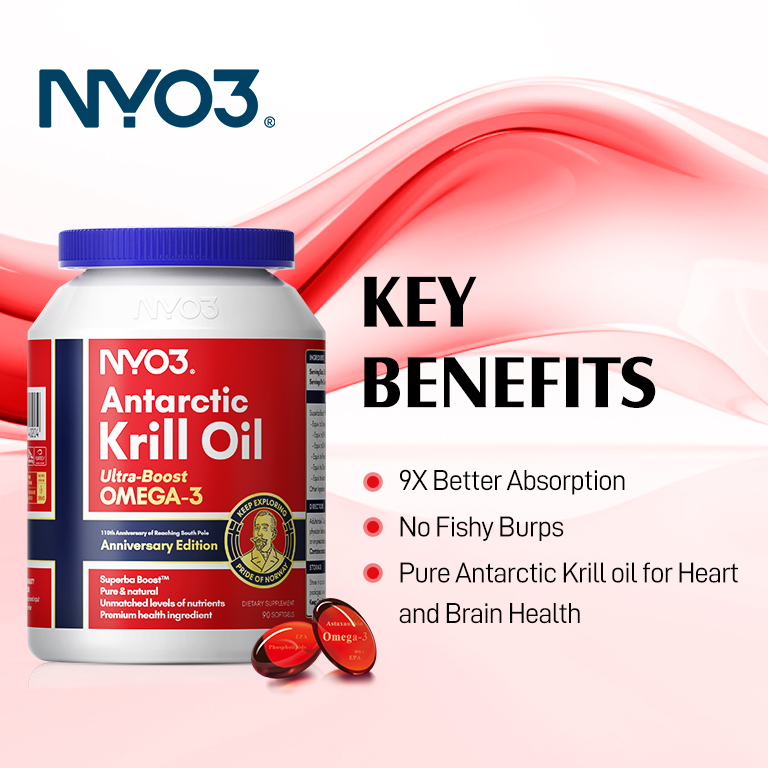
The product name should also match the contents. For example, a product labeled as an Antarctic krill oil supplement should clearly identify krill oil in the Supplement Facts or ingredient information rather than relying only on general phrases such as “marine omega-3.”
Clear product identity becomes especially useful when comparing several formulas within the same category.
2. Read the Serving Size Before Comparing Numbers
One of the most important numbers on a supplement label is the serving size.
A bottle may contain 60 softgels, but the recommended serving could be one, two or three softgels. All nutrient amounts in the Supplement Facts panel are normally based on that stated serving.
Before comparing two products, check:
- The number of capsules or softgels per serving
- The amount of the main ingredient per serving
- The number of servings in the bottle
- The suggested daily directions
This creates a like-for-like comparison.
Omega-3 example
With a fish oil product, the total amount of fish oil is different from the amount of EPA and DHA it supplies. A label may display a large total fish oil number, while the Supplement Facts panel shows the actual EPA and DHA amounts separately.
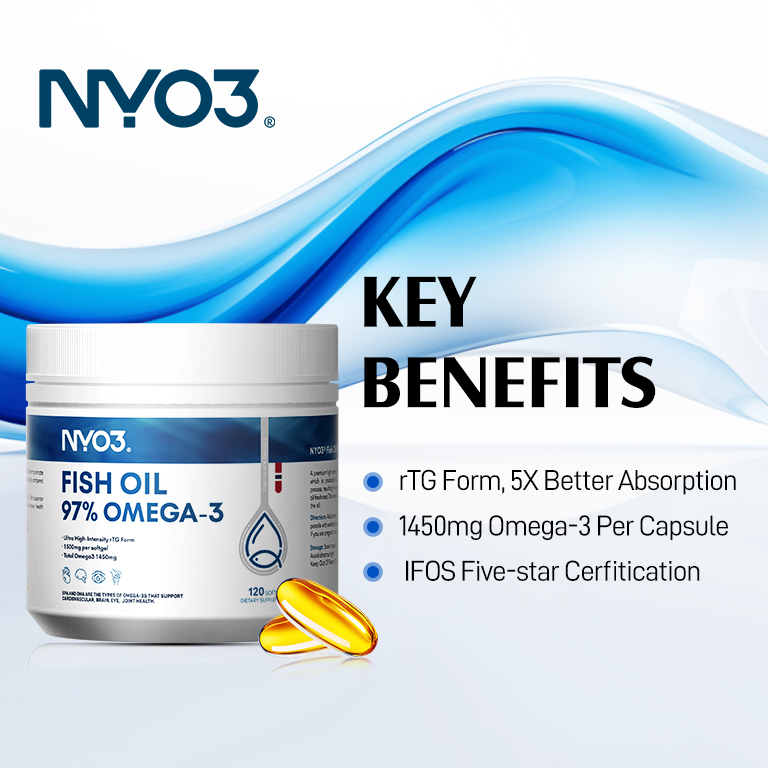
When reviewing NYO3 97% High EPA Fish Oil, focus on the EPA amount per serving, the recommended intake and the number of servings per container. This is more informative than comparing capsule counts alone.
For additional guidance, see 97% High EPA Fish Oil Benefits and Product Details.
3. Look for Specific Ingredient Forms and Meaningful Standardization
The name of an ingredient is only the beginning. Its form, source and level of standardization provide additional information about the formula.
Useful label details vary by supplement category.
For fish oil
Look for:
- Total omega-3 content
- EPA and DHA amounts
- Oil concentration
- Fish source when provided
- Testing or certification information
For NYO3 Amundsen Antarctic Krill Oil
Look for:
- Antarctic krill species and origin
- Marine phospholipid content
- Omega-3 content
- Choline and naturally occurring astaxanthin
- Branded raw-material information
- Independent origin verification
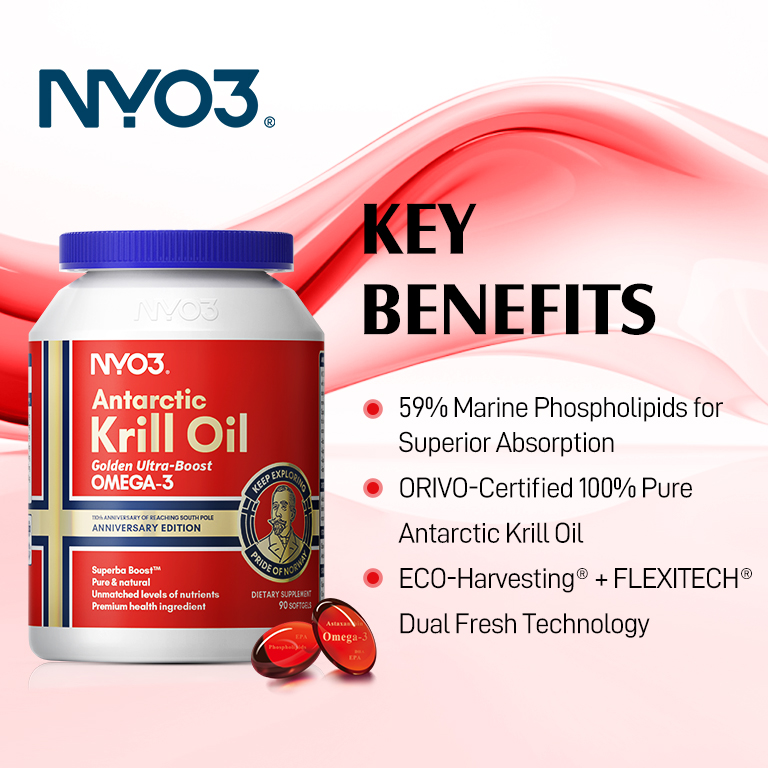
NYO3 Amundsen Antarctic Krill Oil identifies its source as Antarctic krill, Euphausia superba, and uses Superba Boost™ krill oil. The product information also specifies 56% marine phospholipids.
These details make the formula more transparent than a label that lists only a general amount of krill oil.
For botanical formulas
Look for:
- The common and botanical names of the plant
- The plant part used
- Whether it is a powder or extract
- The extract ratio, when applicable
- Standardized active compounds, when applicable
- The amount of each ingredient per serving
For example, NYO3 Liver Guard Capsules identify core botanical ingredients such as milk thistle and turmeric. Named ingredients and clearly stated amounts make it easier to understand how the formula is structured.
You can also read 400 mg Milk Thistle Daily Liver Support for more information about incorporating milk thistle into a daily wellness routine.
For probiotics
Look for:
- Full strain identification
- Colony-forming units, or CFU
- Whether the CFU amount applies through shelf life
- Storage directions
- Added prebiotics or supporting ingredients
The NYO3 Daily Digestive Probiotic provides a useful example of a product in which strain information, CFU count and storage instructions all contribute to an informed comparison.
Learn more in Daily Digestive Probiotic Capsules: 57 Billion CFU.
4. Review Other Ingredients, Directions, Allergens and Storage
The Supplement Facts panel is important, but it is not the only part of the label worth reading.
Review the complete product information for:
- Capsule or softgel materials
- Carrier oils
- Stabilizers and antioxidants
- Colors or flavoring ingredients
- Allergen statements
- Storage instructions
- Suggested use
- Relevant warnings
These details can help you select a product that fits your dietary needs and daily routine.
For example, NYO3 Amundsen Antarctic Krill Oil comes from a crustacean source. People with shellfish allergies should review the complete allergen information and consult a qualified healthcare professional before use.
The current product directions recommend taking one to two softgels daily with meals. Reading the directions before purchasing helps you understand the intended daily serving and how long one bottle is expected to last.
Storage guidance is equally relevant. Heat, moisture, light and air can influence the stability of certain ingredients. Following the instructions on the label helps preserve the product under its intended storage conditions.
5. Check the Manufacturing and Quality-Control System
A quality product is supported by a repeatable manufacturing system.
In the United States, dietary supplement manufacturers are subject to Current Good Manufacturing Practice requirements, commonly known as cGMPs. These requirements address areas such as:
- Manufacturing processes
- Ingredient identity
- Specifications
- Production records
- Packaging and labeling controls
- Quality-control procedures
- Product complaints and recordkeeping
Some facilities also use food-safety systems such as HACCP, which stands for Hazard Analysis and Critical Control Points.
These systems serve different purposes:
| Quality element | Primary role |
|---|---|
| cGMP | Establishes controlled manufacturing and quality processes |
| HACCP | Identifies and manages food-safety hazards |
| Ingredient testing | Confirms identity and specification requirements |
| Finished-product testing | Evaluates the completed product against selected specifications |
| Stability program | Supports shelf-life and storage conditions |
| Traceability records | Connect ingredients and finished products to documented lots |
When reviewing a brand, look for clear information about its quality-management system, manufacturing standards and testing procedures.
A structured system is especially valuable for multi-ingredient products such as Liver Guard, where the identity and amount of each botanical ingredient must remain consistent with the finished-product specification.
6. Understand What Independent Testing and Certification Verify
Independent testing adds another layer of documentation. The most useful certification depends on the product category and on the specific feature being verified.
Examples include:
- USP: evaluates products according to the scope of the USP verification program
- NSF: provides certification programs covering dietary supplements, manufacturing and sport-related requirements
- IFOS: focuses on fish oil quality parameters within its certification program
- ORIVO: uses analytical methods to verify the species and geographical origin of marine oils and related ingredients
A strong verification record includes a clearly defined testing scope and, where available, a searchable certificate or batch record.
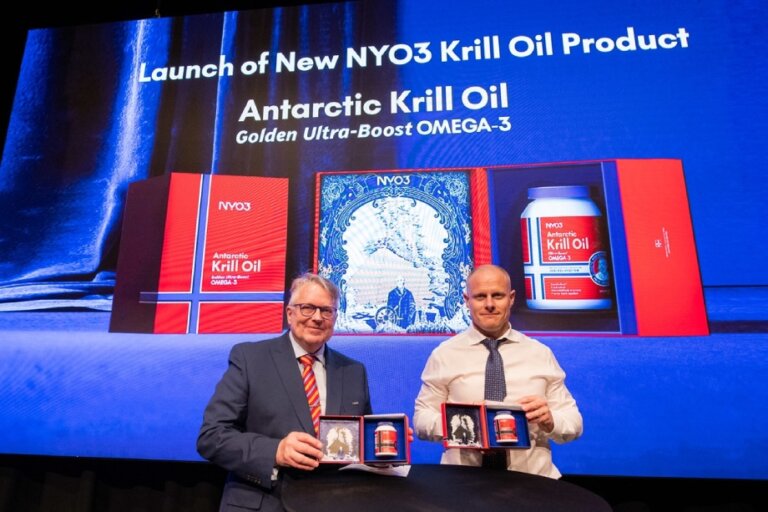
NYO3 Amundsen Antarctic Krill Oil: market leadership and verified origin
NYO3 Amundsen Antarctic Krill Oil displays ORIVO origin verification and identifies Superba Boost™ Antarctic krill oil as its source material.
The corresponding ORIVO Certificate No. 1410 confirms:
- Krill as the tested marine species
- Antarctic Waters as the geographical origin
- Pure krill oil derived from Euphausia superba
- Verified finished-product batches
- Batch-specific expiration information
This product-level transparency is supported by two broader records:
NYO3 has ranked the world’s No. 1 krill oil brand by global retail value for three consecutive years, from 2023 through 2025.¹
NYO3 Antarctic krill oil has achieved qualified ORIVO origin-verification results for six consecutive years.²
These records provide two complementary quality signals:
- Euromonitor retail value data reflects NYO3’s global market position.
- ORIVO verification confirms documented species and geographical origin.
- The Amundsen product specification adds formula-level information, including marine phospholipid content and serving details.
- Batch records connect the finished product to ongoing verification.
Source:
① Euromonitor global retail value, 2023–2025
② ORIVO origin verification, 2020–2026
7. Follow the Traceability Chain From Source to Finished Product
Traceability connects the product in your hand with its ingredient source and production records.
A useful traceability chain can include:
- Raw-material source
- Species or botanical identity
- Geographical origin
- Ingredient supplier
- Harvesting or processing method
- Manufacturing batch
- Testing or verification record
- Finished-product lot number
NYO3 Amundsen Antarctic Krill Oil demonstrates several stages of this chain:
| Traceability stage | Amundsen product detail |
|---|---|
| Marine source | Antarctic krill |
| Species | Euphausia superba |
| Geographical origin | Antarctic Waters |
| Ingredient | Superba Boost™ krill oil |
| Harvesting | ECO-Harvesting® technology |
| Processing | FLEXITECH® processing technology |
| Origin verification | ORIVO |
| Public certificate | ORIVO Test No. 1410 |
| Finished-product traceability | Verified batch and expiration records |
Consumers can also use the NYO3 Trace Tool to access available product information using the relevant details printed on the package.
Traceability turns general statements about quality into a documented chain that can be followed from the source ingredient to the finished bottle.
A 60-Second Supplement Quality Checklist
Use this quick review when comparing products online or reading a bottle in a store.
| Check | What to review |
|---|---|
| 1. Product identity | Is the supplement type clearly identified? |
| 2. Serving size | Are amounts shown per capsule or per full serving? |
| 3. Ingredient form | Are the source, form and key active components specified? |
| 4. Complete label | Are other ingredients, directions, allergens and storage instructions available? |
| 5. Manufacturing | Does the brand describe cGMP and quality-control systems? |
| 6. Independent verification | Is the testing program identified, with its scope or certificate available? |
| 7. Traceability | Can the source, species, origin or finished-product batch be verified? |
A product that presents these details clearly gives you more information for an effective comparison.
Applying the Seven Checks to Different Supplement Categories
The same seven-part framework can be adapted to several types of supplements.
| NYO3 product | Useful details to review |
|---|---|
| NYO3 Amundsen Antarctic Krill Oil | Euphausia superba, Antarctic origin, Superba Boost™, 56% marine phospholipids, ORIVO verification, ECO-Harvesting®, FLEXITECH® and batch-level records |
| NYO3 97% High EPA Fish Oil | EPA per serving, total omega-3 content, serving size, fish-oil concentration and marine-oil testing |
| NYO3 Liver Guard | Botanical names, plant extracts, amounts per serving, supporting ingredients and suggested use |
| NYO3 Daily Digestive Probiotic | Strain identities, CFU count, serving size, storage directions and complementary ingredients |
The details differ by product category, but the process remains consistent: identify the formula, confirm the serving, understand the ingredient form, review the quality system and follow the available traceability information.
Final Thoughts
Choosing a high-quality supplement becomes easier when you use a repeatable evaluation process.
Start with the Supplement Facts panel, confirm the serving size and look for specific ingredient forms. Then review manufacturing standards, independent verification and traceability records.
NYO3 Amundsen Antarctic Krill Oil offers a useful example of how these layers can work together. Its label provides formula and serving information, while Superba Boost™, ORIVO origin verification, public certificate records and NYO3’s traceability tools add documented information about the product’s source.
Combined with NYO3’s three consecutive years as the world’s No. 1 krill oil brand by global retail value and six consecutive years of qualified ORIVO origin verification, these details create a clear connection between market leadership, ingredient identity and product-level traceability.
A supplement label should help you understand what you are taking. Testing and traceability help complete that picture.
常见问题
Is a higher dosage always the best way to compare supplements?
Dosage is one part of the comparison. Review the amount of the relevant active ingredient per serving, its form, the recommended serving and the total number of servings in the bottle.
For omega-3 products, compare EPA and DHA amounts rather than relying only on the total amount of oil. For NYO3 Amundsen Antarctic Krill Oil, review the stated krill oil serving together with its marine phospholipid, omega-3 and choline information.
Which details are useful when evaluating NYO3 Amundsen Antarctic Krill Oil?
Useful details include its Antarctic origin, Euphausia superba species identification, Superba Boost™ raw material, 56% marine phospholipid specification, suggested serving and ORIVO origin-verification certificate.
The ORIVO certificate adds batch-level confirmation of the species and geographical origin.
What does third-party testing add to a supplement?
Third-party programs provide independent verification within a defined scope. Depending on the program, that scope can include ingredient identity, geographical origin, selected contaminants, manufacturing practices or finished-product specifications.
Reviewing the name of the testing organization and its certificate information helps you understand exactly what has been verified.
Why is traceability especially useful for marine oils?
Marine ingredients can be described by species, geographical origin, harvesting method, processing system and production batch. Traceability connects these details and supports a clear record from the marine source to the finished supplement.
Are proprietary blends the same as individually listed ingredients?
A proprietary blend can identify the ingredients in a formula while listing only the total blend amount. Individually stated amounts provide more detail for comparing serving sizes and formula composition.
Does cGMP certification describe how a supplement works in the body?
cGMP requirements focus on controlled manufacturing, specifications, documentation and quality processes. Information about an ingredient’s nutritional or physiological role comes from its identity, form, amount and supporting scientific evidence.
When should I speak with a healthcare professional?
Consult a qualified healthcare professional before starting a new supplement if you are pregnant, breastfeeding, preparing for surgery, taking medication, managing a health condition or considering a supplement for a child.
References and Further Reading
- NYO3 Amundsen Antarctic Krill Oil Product Page
- ORIVO Certificate No. 1410 — NYO3 Antarctic Krill Oil
- NYO3 at Vitafoods Asia 2026 — Euromonitor 2023–2025 Ranking
- ORIVO Honors NYO3 for Its Continuous Verification Commitment
- NYO3 Product Trace Tool
- FDA Dietary Supplement Labeling Guide
- FDA Information on Dietary Supplement Manufacturing
- NIH Office of Dietary Supplements: Dietary Supplements—What You Need to Know
- NSF Dietary Supplement Information
- USP Quality Supplements
- IFOS Fish Oil Certification Program
Safety Note:
Dietary supplements are intended to complement a balanced diet and healthy lifestyle. Follow the product label and consult a qualified healthcare professional when appropriate. This product is not intended to diagnose, treat, cure or prevent any disease.