Collagen Polypeptides: Sources, Benefits, and More…
Collagen polypeptides are small pieces of animal collagen that your body can absorb and use more easily than whole collagen. These protein fragments come from breaking down larger collagen molecules into shorter chains of amino acids. Collagen polypeptides support skin elasticity, joint health, and may help strengthen hair and nails when taken regularly as a supplement.
You might see collagen polypeptides labeled as collagen peptides on product packaging. They’re the same thing – just different terms for these bioactive protein fragments that contain specific amino acids like glycine, proline, and hydroxyproline. Popular supplements often combine these peptides with other ingredients like vitamin C and hyaluronic acid to enhance their benefits.



Your body naturally produces collagen, but this production decreases as you age. Taking collagen polypeptides as supplements may help address this decline. Many people use them to improve skin hydration, joint comfort, and bone density. While research continues to evolve, these supplements have become increasingly popular for those looking to support their body’s natural collagen production.
What Are Collagen Polypeptides?
Collagen polypeptides are specialized protein chains derived from collagen that offer significant benefits for skin, joints, and overall health. They work by providing the building blocks your body needs to maintain and repair connective tissues.

Definition and Structure
Collagen peptides are short chains of amino acids derived from full-length collagen proteins. When collagen is broken down into smaller fragments, these become what we call collagen polypeptides. They’re essentially chains of amino acids, primarily glycine, proline, and hydroxyproline.
These molecules are created through a process called hydrolysis, which breaks the bonds in collagen using water. This makes the polypeptides much smaller than intact collagen.
The structural advantage of collagen polypeptides is their size. At about 2,000-5,000 daltons, they’re small enough to be absorbed easily by your digestive system. Your body can then use these amino acid chains to support collagen synthesis in different tissues.
Collagen Peptides vs Collagen Polypeptides
The terms “collagen peptides” and “collagen polypeptides” are often used interchangeably, but there are subtle differences. Collagen peptides are generally smaller fragments, while polypeptides may refer to slightly longer chains of amino acids.
Both are derived from animal sources like bovine (cow), porcine (pig), marine (fish), or chicken. The key difference lies in their size and complexity:
- Peptides: Shorter chains, typically 2-50 amino acids
- Polypeptides: Longer chains, containing many peptide bonds
Your body processes both similarly, breaking them down during digestion. However, some research suggests that specific lengths of these chains may have different bioactive properties. The molecular weight affects how they function in your body and what benefits they provide.
Collagen Types
Collagen exists in many forms throughout your body, with at least 28 different types identified. The most abundant and relevant for supplementation are:
Type I: Makes up 90% of your body’s collagen and forms strong collagen fibres found in skin, bones, tendons, and organs. It’s known for providing structure and tensile strength.
Type II: Found primarily in cartilage, helping cushion your joints. This type is often sought in supplements specifically targeting joint health.
Type III: Often works alongside Type I in skin, blood vessels, and internal organs. It helps with elasticity and is abundant in rapidly growing tissues.
Type IV: Forms sheet-like structures that provide filtration in your kidneys and other filtration systems.
When you take collagen peptide supplements, they typically contain a mixture of these types, with Types I and III being most common in beauty formulations and Type II in joint supplements.
Sources of Collagen Polypeptides
Collagen polypeptides come from various animal sources and are processed differently to create supplements for human consumption. The two main types you’ll encounter in the market are hydrolyzed collagen and marine collagen, each with unique properties and benefits.

Hydrolyzed Collagen
Hydrolyzed collagen is created when large collagen proteins are broken down into smaller pieces called collagen peptides. This process makes the collagen easier for your body to absorb and use. The most common sources are bovine (cow), porcine (pig), and chicken.
Many high-quality supplements use collagen from grass-fed, pasture-raised animals. These sources are often preferred because they may contain fewer contaminants than conventionally raised animals.
You’ll typically find hydrolyzed collagen as a powder that dissolves easily in liquids. Most products come in unflavored versions, allowing you to add them to foods and beverages without altering the taste significantly.
Hydrolyzed collagen can also be found in gelatin form, which is essentially cooked collagen. While gelatin and hydrolyzed collagen come from the same sources, they have different uses in cooking and supplements.
Marine Collagen
Marine collagen is derived from fish skin, scales, and bones. It’s particularly valued for having smaller peptide particles compared to other animal sources, potentially making it more bioavailable (easier for your body to absorb).
Fish collagen is primarily Type I collagen, which is the most abundant type in your body and is important for skin, bone, and connective tissue health. This makes marine collagen especially popular in beauty supplements.
If you have concerns about sustainability or fishy taste, look for products that specify their sourcing methods. Many premium marine collagen supplements use wild-caught fish or by-products from the fishing industry that would otherwise go to waste.
Marine collagen is often available as an unflavored powder, making it versatile for adding to your morning coffee, smoothies, or other foods without affecting taste.
Biological Functions and Mechanisms
Collagen polypeptides interact with cellular systems through several pathways, supporting essential bodily processes. Their molecular structure allows them to integrate with existing tissues and promote healing responses.
Extracellular Matrix Integration
Collagen polypeptides play a crucial role in maintaining the extracellular matrix, which provides structural support to connective tissues. When introduced to the body, these peptides can bind to receptors on fibroblasts, stimulating new collagen production.
The integration process occurs through specific binding sites on cell membranes. This triggers cellular signaling cascades that regulate matrix metalloproteinases (MMPs).
Your body recognizes these peptides as building blocks rather than foreign substances. This recognition allows them to be incorporated into existing matrix structures.
Research using recombinant proteins has demonstrated that collagen fragments can influence fibroblast migration and proliferation, enhancing matrix density and organization.
Role in Tissue Regeneration
Collagen polypeptides actively support wound healing and tissue repair processes. They provide essential amino acids needed for new collagen synthesis at injury sites.
When applied to damaged tissues, these peptides create a scaffold that guides cell migration and attachment. This scaffold becomes the foundation for new tissue formation.
Studies using cDNA technology have identified specific peptide sequences that trigger regenerative responses. These sequences activate growth factors like TGF-β that regulate healing.
Your body’s regenerative processes benefit from these peptides through:
- Enhanced fibroblast activity
- Improved angiogenesis (new blood vessel formation)
- Reduced inflammation at injury sites
Biocompatibility
The high biocompatibility of collagen polypeptides makes them ideal for therapeutic applications. Your body naturally contains collagen, so introduced peptides rarely trigger immune responses.
This compatibility stems from the conserved amino acid sequences across species. Human immune systems typically recognize these structures as “self” rather than foreign entities.
Medical applications leverage this compatibility through collagen-based scaffolds, films, and injectable solutions. These formulations maintain their biocompatibility while providing therapeutic benefits.
Your cells can readily interact with these peptides through integrin receptors. This interaction creates minimal stress on cellular systems while supporting structural and functional improvements.
Advanced manufacturing techniques now produce highly purified peptides with predictable biocompatibility profiles, reducing the risk of adverse reactions.
Collagen Polypeptides and Skin Health
Collagen polypeptides offer significant benefits for skin health through their ability to improve hydration and maintain elasticity. These smaller protein fragments can be more easily absorbed by the body to support skin structure.
Skin Hydration
Collagen polypeptides help your skin retain moisture by supporting the skin’s natural barrier function. When you consume these peptides regularly, they can improve your skin’s water content and reduce dryness.
Research shows collagen peptides work alongside hyaluronic acid to boost hydration from within. This combination helps your skin cells attract and hold water more effectively.
You may notice these benefits within 4-8 weeks of consistent use:
- Reduction in fine lines caused by dehydration
- Smoother skin texture
- Decreased roughness
- More comfortable feeling skin that’s less tight or itchy
Drinking enough water while taking collagen supplements further enhances these hydrating effects, giving your skin a more plump appearance.
Skin Elasticity
As you age, your skin naturally produces less collagen, leading to decreased elasticity. Collagen polypeptides can help counter this process.
These peptides stimulate your body’s natural collagen production mechanisms. When taken regularly, they provide building blocks for new collagen fibers that support your skin’s structure.
Anti-aging peptides like those found in collagen supplements work by:
- Promoting fibroblast activity (cells that make collagen)
- Improving the skin’s bounce-back ability
- Reducing the appearance of sagging
Clinical studies demonstrate that taking collagen peptides for 8-12 weeks can significantly improve skin elasticity compared to placebos. This translates to firmer skin that better resists stretching and returns to shape more readily.
Your skin may appear more youthful as these smaller protein pieces help maintain the structural integrity that gives skin its resilient quality.
Benefits for Joint and Bone Health
Collagen polypeptides offer significant advantages for maintaining healthy joints and strong bones. These benefits work at both the structural and cellular levels to support mobility and skeletal integrity.
Joint Health Support
Collagen polypeptides may help relieve joint pain and improve overall joint function. When you consume these supplements, they contain bioactive peptides that can reach joint tissues directly. These peptides have been shown to provide protective effects for cartilage.
Research indicates that collagen supplements might benefit people with osteoarthritis by reducing discomfort and improving mobility. Hydrolyzed collagen contains biologically active peptides that appear to have chondroprotective effects, meaning they help protect your existing cartilage from damage.
The supplementation may help reduce inflammation in joints and stimulate your body to produce more collagen naturally. This can improve the cushioning between joints and reduce friction that leads to pain.
You might notice improvements in flexibility and less stiffness after consistent use, especially if you have arthritis-related joint problems.
Bone Strength and Density
Collagen makes up a significant portion of your bone structure, providing the framework that calcium and other minerals build upon. As you age, collagen turnover needs to remain efficient to replace older collagen with new.
Studies suggest collagen polypeptides may help:
- Increase bone mineral density
- Reduce the risk of bone deterioration
- Support overall bone structure
- Enhance calcium absorption
Collagen supplementation appears particularly beneficial for postmenopausal women, who face accelerated bone loss. The protein provides the structural foundation that allows your bones to remain strong yet flexible enough to resist fractures.
The amino acids in collagen polypeptides, particularly glycine and proline, support your body’s natural collagen production. This helps maintain the protein matrix of your bones that keeps them strong and healthy.
Wound Healing and Recovery
Collagen polypeptides play a crucial role in healing wounds and supporting the body’s recovery process. These specialized protein fragments provide the building blocks needed to repair damaged tissues and can help speed up healing times.
Tissue Repair Processes
When your skin gets injured, your body activates a complex healing process. Collagen is essential in wound healing as it forms a structural scaffold that supports new tissue growth. Collagen polypeptides are smaller, more easily absorbed fragments that can supply your body with the materials needed for repair.
During healing, specialized cells called fibroblasts produce collagen to strengthen the wound site. Collagen polypeptides attract these fibroblasts to the damaged area, accelerating the repair process.
The supplementation of collagen polypeptides may help your wounds heal faster by providing readily available building blocks. Research shows that certain collagen peptides can promote fibroblast proliferation and improve collagen metabolism.
Role of Vitamin C
Vitamin C is a vital partner to collagen in the wound healing process. Without adequate vitamin C, your body cannot properly form collagen, no matter how many polypeptides are available.
This essential vitamin serves as a cofactor for enzymes that stabilize and cross-link collagen molecules. When vitamin C levels are low, wound healing slows down significantly and can lead to fragile scar formation.
For optimal results when taking collagen polypeptides for wound recovery, ensure you maintain sufficient vitamin C intake through:
- Citrus fruits (oranges, grapefruits)
- Bell peppers
- Strawberries
- Broccoli
- Tomatoes
Your body typically needs more vitamin C during times of injury or stress. Taking vitamin C alongside collagen polypeptides creates a synergistic effect that may enhance tissue regeneration and repair.
Anti-Aging Applications
Collagen polypeptides offer significant benefits for skin health, particularly in fighting the visible signs of aging. They work both from the inside out through supplements and topically through creams to address wrinkles and environmental damage.

Reduction of Wrinkles
Collagen polypeptides directly target wrinkles by stimulating your body’s natural collagen production. When you take oral collagen supplements, they break down into smaller peptides that signal your skin to create more collagen. This process helps fill in fine lines and wrinkles from beneath the skin surface.
Studies show that consistent use of collagen supplements can reduce wrinkle depth by up to 20% after just 8 weeks. The effect is particularly noticeable around the eyes and mouth, where wrinkles tend to form first.
Both oral and topical collagen products work effectively, with no significant difference between the two delivery methods. For best results, experts recommend a daily dose of 2.5-10g of collagen peptides.
You’ll typically see visible improvements in skin elasticity within 4-12 weeks of regular use.
Protection Against Environmental Damage
Collagen polypeptides help shield your skin from daily environmental stressors like UV radiation and pollution. They strengthen your skin’s protective barrier function while boosting its resilience against oxidative stress.
The antioxidant properties of collagen peptides neutralize free radicals that damage skin cells and accelerate aging. This protection helps prevent premature aging caused by external factors.
Collagen supplements enhance skin hydration by increasing the skin’s moisture content and water-binding capacity. Well-hydrated skin is more resistant to environmental damage and shows fewer signs of aging.
For maximum protection, combine daily collagen intake with proper sun protection and a healthy diet rich in antioxidants. This multi-layered approach creates the strongest defense against environmental aging factors.
Collagen Polypeptide Supplements
Collagen polypeptide supplements offer specific forms and dosages to match your wellness goals. Many users report positive experiences with these products for skin, joint, and nail health.
Forms and Dosage
Collagen polypeptide supplements come in several convenient forms. Powders are the most popular option, easily dissolving in hot or cold beverages like coffee, tea, or smoothies. You can also find collagen in capsules, gummies, and liquid forms.
The typical recommended dosage ranges from 10-20 grams daily. Many popular brands like Vital Proteins provide about 20g of collagen per serving. For best results, consistency is key.
When shopping, look for products labeled as hydrolyzed collagen peptides. This means the collagen has been broken down into smaller, more digestible pieces for better absorption by your body.
Quality matters with collagen supplements. Many premium options specify they’re made from grass-fed, pasture-raised sources, which some experts consider optimal for purity.
User Experience
Most users report needing to take collagen supplements for 4-8 weeks before noticing significant benefits. Patience is important when starting a collagen regimen.
Many people find the unflavored varieties most versatile as they blend seamlessly into drinks without altering taste. This makes them easy to incorporate into your daily routine.
Users commonly report improvements in:
- Skin hydration and plumpness
- Reduced joint discomfort
- Stronger nails
- Healthier hair
According to customer feedback, the powder forms dissolve easily without clumping. Many users prefer adding it to morning coffee or smoothies.
Some people experience mild digestive effects when first starting collagen supplements. Starting with a smaller dose and gradually increasing it can help your body adjust.
Potential Side Effects and Considerations
While collagen polypeptides are generally considered safe for most people, they can cause unwanted effects in some individuals. Being aware of potential side effects and interactions can help you make informed decisions about supplementation.
Safety and Allergenicity
Collagen supplements have a good safety profile with rare side effects. Most people can take up to 10 grams daily for 6 months without significant issues. However, some users report mild digestive discomfort, including feelings of fullness or a bad taste in the mouth.
If you have food allergies, be cautious. Many collagen supplements come from animal sources like fish, shellfish, eggs, or bovine products. Check ingredient labels carefully if you have known allergies to these foods.
Some people experience skin rashes after taking collagen. In rare cases, collagen supplementation has been linked to kidney, liver, stomach, and heart problems. Discontinue use and consult your healthcare provider if you experience unusual symptoms.
Interactions with Other Supplements
Collagen polypeptides may interact with certain supplements and medications, potentially affecting their absorption or effectiveness. When taking calcium supplements, space them apart from collagen intake as they may compete for absorption.
Vitamin C is often recommended alongside collagen since it helps with collagen synthesis in your body. This combination is generally beneficial rather than problematic.
Some collagen products contain added ingredients like hyaluronic acid, biotin, or herbs that may have their own interaction profiles. Always read product labels thoroughly.
If you take medications for kidney conditions, use caution with collagen supplements, as research suggests a potential association with kidney stones in some individuals.
Consult your healthcare provider before starting collagen if you take prescription medications or have existing health conditions.
Future Directions and Research Areas
The field of collagen polypeptides is rapidly evolving with promising advancements in both protein engineering techniques and clinical applications. Researchers are focusing on improving production methods and expanding the therapeutic potential of these compounds.

Innovations in Recombinant Proteins
Recombinant protein technology is revolutionizing collagen polypeptide production. Scientists are now using cDNA sequences to create customized collagen fragments with enhanced stability and bioactivity. This approach allows for precise control over peptide structure that isn’t possible with traditional extraction methods.
Several labs have developed expression systems in bacteria, yeast, and mammalian cells to produce human-identical collagen polypeptides. These specialized peptides avoid potential allergic reactions associated with animal-derived collagens.
You’ll likely see major breakthroughs in cost reduction for recombinant collagen production within the next 3-5 years. Current research focuses on optimizing yield and developing scalable manufacturing processes to make these advanced peptides more accessible.
Clinical Studies
Clinical research on collagen polypeptides is expanding beyond cosmetic applications into therapeutic areas. Recent trials are examining their effectiveness for joint disorders, wound healing, and tissue regeneration.
Studies indicate that collagen peptide supplementation combined with exercise may benefit those with degenerative bone and joint conditions. Researchers are designing more rigorous trials with larger sample sizes and longer durations to validate these findings.
You should watch for upcoming research on delivery systems as well. Novel encapsulation methods aim to improve the bioavailability of marine collagen and other specialized peptides.
Personalized medicine approaches are also emerging, with studies examining how genetic factors influence individual responses to collagen supplementation. This may lead to customized formulations based on your specific needs and genetic profile.
Frequently Asked Questions
What are the potential benefits of taking collagen supplements?
Collagen supplements offer numerous potential health advantages. They may help improve skin elasticity and hydration, reducing the appearance of wrinkles and promoting a more youthful complexion.
For joint health, collagen peptides might reduce pain and stiffness, particularly beneficial for those with osteoarthritis or active individuals experiencing joint discomfort.
Collagen supplementation may also strengthen hair and nails, potentially reducing brittleness and promoting growth. Some users report increased muscle strength when combining collagen with resistance training.
Bone density support is another potential benefit, especially important as natural collagen production decreases with age.
What differentiates hydrolyzed collagen from other forms of collagen?
Hydrolyzed collagen (collagen peptides) has been broken down into smaller, more digestible protein fragments. This processing makes it easier for your body to absorb and utilize compared to unprocessed collagen.
The hydrolysis process involves breaking the larger collagen molecules using enzymes, heat, or acid treatment. This creates smaller peptides that dissolve easily in both hot and cold liquids.
Unlike gelatin (partially hydrolyzed collagen), collagen peptides won’t gel and can be mixed into various foods and beverages without affecting texture or taste significantly.
How might collagen peptides improve skin health?
Collagen peptides may improve skin by increasing hydration and elasticity. When consumed, these peptides can stimulate your body to produce more collagen and other proteins like elastin that maintain skin structure.
Regular supplementation might reduce the appearance of fine lines and wrinkles by supporting the skin’s natural regeneration processes. Studies show improvements in skin moisture retention and reduced dryness with consistent use.
Collagen peptides may also help strengthen the skin barrier, protecting against environmental damage and supporting faster healing. They provide building blocks for skin repair and maintenance of the body’s structure.
Are there any notable side effects associated with the use of collagen peptides?
Collagen peptides are generally well-tolerated by most people. However, some users report mild digestive discomfort, including feelings of fullness or slight heartburn, especially when starting supplementation.
A mild taste or odor might be noticeable in some products, though most premium formulations minimize this issue. Some people with specific food allergies should exercise caution, particularly with marine collagen if they have seafood sensitivities.
In rare cases, some users report skin breakouts or allergic reactions. As with any supplement, it’s advisable to consult with a healthcare provider before beginning regular use.
What factors should be considered when selecting a high-quality collagen supplement?
Source quality is paramount when choosing collagen supplements. Look for products sourced from grass-fed, pasture-raised animals or sustainably harvested marine sources.
Check for third-party testing certification to ensure purity and verify that the product contains the amount of collagen claimed on the label. Avoid supplements with unnecessary fillers, artificial sweeteners, or preservatives.
Consider the type of collagen included. Types I and III support skin, hair, and nails, while Type II benefits joints. Many high-quality supplements include multiple types for comprehensive benefits.
The form matters too—hydrolyzed collagen offers better bioavailability than non-hydrolyzed forms.
How does the body’s natural collagen production change with age?
Your body’s collagen production begins to decline around age 25, with a reduction of approximately 1-1.5% annually. By age 40, many people have lost 10-20% of their collagen stores, contributing to visible signs of aging.
Several factors accelerate collagen loss beyond normal aging. Excessive sun exposure, smoking, high sugar consumption, and stress all contribute to faster collagen breakdown and slower production.
Hormonal changes, particularly during menopause, can dramatically affect collagen synthesis. Women may experience a significant drop in collagen production, losing up to 30% during the first five years after menopause, affecting skin structure and joint health.
Conclusion
Collagen polypeptides offer significant benefits for your body. Research shows they can help with joint pain management in osteoarthritis and support overall joint health.
When taken regularly, collagen supplements may improve skin elasticity and hydration, reducing the appearance of wrinkles. These effects tend to be moderate rather than dramatic, but they are supported by scientific evidence.
For best results, combine collagen supplementation with regular exercise. This combination can be particularly beneficial for managing degenerative bone and joint disorders.
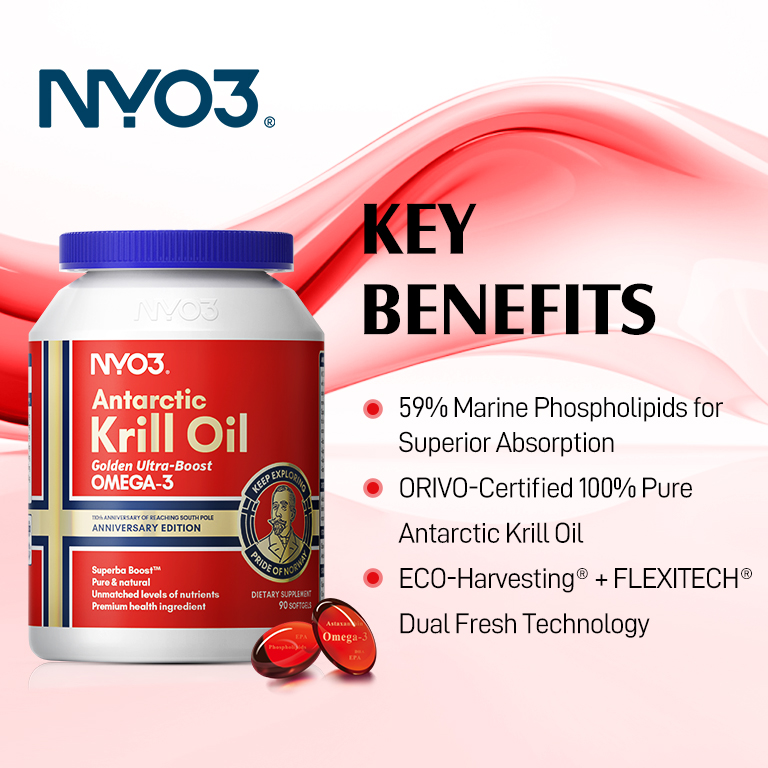
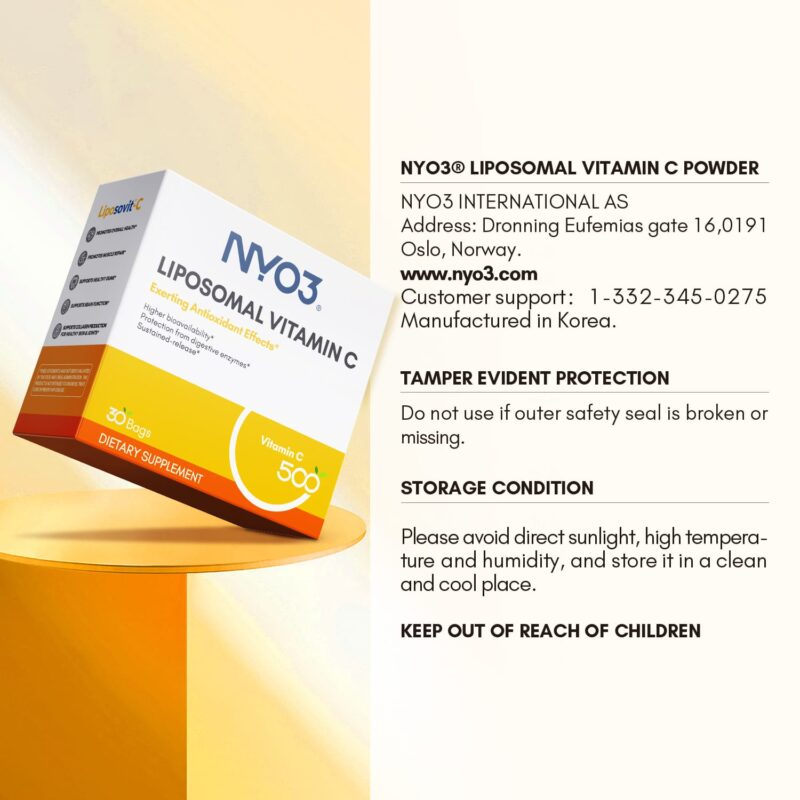
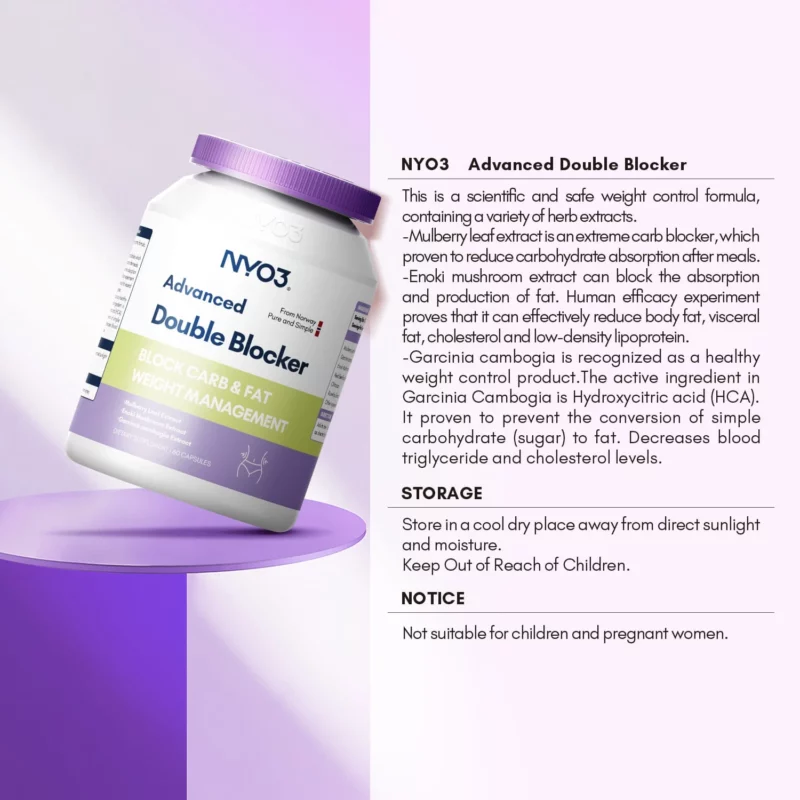
The quality of your collagen supplement matters significantly. NYO3 collagen products stand out for their purity and effectiveness. Their carefully formulated options provide the specific amino acids your body needs to support connective tissues.
Consider adding NYO3 collagen to your daily routine if you’re looking to:
- Support joint health
- Improve skin appearance
- Enhance recovery after exercise
- Maintain connective tissue strength
Start with the recommended dosage and be consistent with your intake. Remember that results typically develop over time rather than immediately.