Eicosapentaenoic Acid(EPA): Benefits, Sources, and More…
Ever wondered about those health-boosting fats found in fish oil? Eicosapentaenoic acid, commonly known as EPA, is an omega-3 fatty acid that deserves your attention. This powerful compound is primarily found in fatty fish and serves as a precursor for important biological substances in your body.
Adding EPA to your diet may provide significant health benefits, as it’s one of the three main types of omega-3 fatty acids that play crucial roles in your overall well-being. EPA works alongside DHA (docosahexaenoic acid) to support heart health, reduce inflammation, and promote brain function.


You’ll find EPA naturally in fish oils, which is why health professionals often recommend consuming fatty fish or fish oil supplements. This polyunsaturated fatty acid has a scientific designation of 20:5(n-3), indicating its molecular structure with 20 carbon atoms and 5 double bonds.
What Is Eicosapentaenoic Acid (EPA)?
Eicosapentaenoic acid (EPA) is an essential omega-3 fatty acid found primarily in cold-water fish like salmon and tuna. This important nutrient plays several roles in maintaining human health and is often taken as a supplement.

Chemical Structure and Properties
EPA has the chemical formula C20H30O2 with a molecular weight of approximately 302 g/mol. It’s classified as a polyunsaturated fatty acid (PUFA) with 20 carbon atoms and 5 double bonds in its carbon chain.
The five double bonds are located at positions 5, 8, 11, 14, and 17, which gives EPA its scientific name of 5,8,11,14,17-eicosapentaenoic acid. This specific arrangement of double bonds contributes to EPA’s flexible structure and biological activity.
EPA exists as a colorless liquid at room temperature and is insoluble in water but soluble in organic solvents. It oxidizes easily when exposed to air, which is why EPA supplements often contain antioxidants to prevent rancidity.
Eicosapentaenoic Acid vs. Other Omega-3s
EPA is one of three main omega-3 fatty acids important for human health, alongside docosahexaenoic acid (DHA) and alpha-linolenic acid (ALA). While they’re all omega-3s, they have distinct properties and functions.
EPA contains 20 carbon atoms with 5 double bonds, while DHA has 22 carbon atoms with 6 double bonds. ALA is shorter with 18 carbon atoms and 3 double bonds.
Your body can convert some ALA into EPA and then into DHA, but this conversion is inefficient. Most health experts recommend getting EPA and DHA directly from food or supplements.
EPA and DHA are found primarily in marine sources, while ALA comes mainly from plant sources like flaxseeds, chia seeds, and walnuts.
Nomenclature and Synonyms
EPA is known by several names in scientific and nutritional contexts:
- Eicosapentaenoic acid (most common name)
- Icosapentaenoic acid (alternative spelling)
- Timnodonic acid (less commonly used)
In biochemical notation, EPA is often referred to as 20:5(n-3), where:
- 20 indicates the number of carbon atoms
- 5 represents the number of double bonds
- n-3 (or ω-3) shows it’s an omega-3 fatty acid
The salt form of EPA is called eicosapentaenoate or icosapentaenoate. These forms are typically used in pharmaceutical preparations.
In nutritional supplements, EPA is generally listed alongside DHA with specific amounts of each, such as “180 mg EPA and 120 mg DHA per capsule.”
Dietary Sources of EPA
EPA (eicosapentaenoic acid) is available from several dietary sources with varying levels of concentration. Marine-based sources typically provide the highest amounts, while plant-based alternatives offer indirect pathways to increasing EPA levels.
Oily Fish and Seafood
Oily fish represent the most concentrated natural sources of EPA. Salmon contains approximately 590 mg of EPA per 3-ounce serving, making it one of the richest dietary sources available to you. Mackerel provides even higher amounts, with up to 800 mg per serving, while herring offers around 700 mg.
Sardines pack impressive EPA content despite their small size, delivering about 400 mg per 3-ounce serving. These tiny fish are convenient as they’re often available canned.
Tuna varies in EPA content depending on the species. Bluefin tuna contains more EPA than yellowfin or skipjack varieties. Fresh cod provides modest amounts of EPA (around 100 mg per serving), though less than fattier fish species.
Shellfish, like oysters and mussels, also contain appreciable amounts of EPA, though they are generally lower than oily fish.
Fish Oil and Krill Oil
Fish oils are concentrated sources of EPA extracted primarily from oily fish. Standard fish oil supplements typically contain 18% EPA by weight, with a 1,000 mg capsule providing approximately 180 mg of EPA.
Cod liver oil offers EPA along with vitamins A and D. However, it generally contains less EPA than regular fish oil supplements, providing around 100 mg per teaspoon.
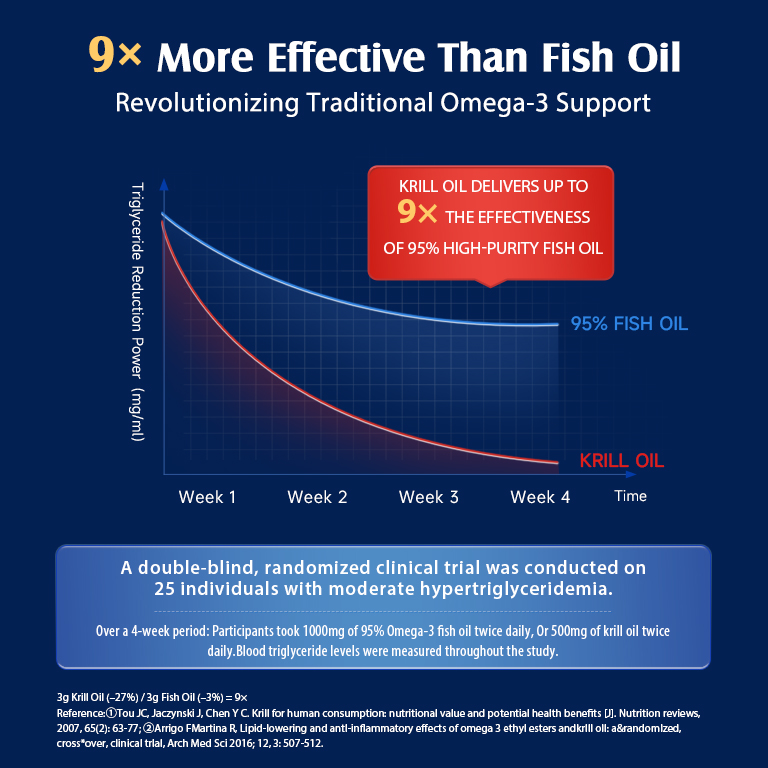
Krill oil derives from tiny Antarctic crustaceans and contains EPA in a phospholipid form, which some research suggests may be more bioavailable than the triglyceride form found in standard fish oils. Typical krill oil supplements contain 10-15% EPA by weight.
Fish and krill oil supplements vary significantly in potency, with some concentrated formulations offering up to 80% EPA.
Plant-Based Alternatives
Plant foods do not directly contain EPA but provide alpha-linolenic acid (ALA), which your body can convert to EPA at low efficiency rates (typically less than 5%).
Flaxseed is particularly rich in ALA, containing about 2.5 grams per tablespoon of ground seeds. Other significant plant sources include chia seeds (approximately 5 grams of ALA per ounce) and walnuts (2.5 grams per ounce).
Certain microalgae produce EPA directly, making algal oil supplements valuable for vegetarians and vegans. These supplements can contain comparable EPA levels to fish oil without marine animal sources.
Some plant-based foods are now fortified with algal-derived EPA, including certain brands of plant milks, juices, and spreads, making it easier for you to access EPA on a plant-based diet.
Biosynthesis and Metabolism
EPA is created through specific metabolic pathways in the human body and can be derived from other fatty acids. The conversion process involves several enzymes and is influenced by various dietary and health factors.
Formation of EPA in the Human Body
Your body can produce eicosapentaenoic acid (EPA) through metabolic processes, though this production is limited. EPA formation depends on enzymes called desaturases and elongases that add double bonds and carbon atoms to fatty acid chains.
The main pathway involves the conversion of simpler omega-3 fatty acids into EPA. This process competes with omega-6 fatty acid metabolism, as both pathways use the same enzymes.
Your diet significantly affects EPA production. High intake of omega-6 fatty acids can reduce EPA synthesis by competing for the same enzymes. Additionally, factors like aging, illness, and certain genetic variations can limit your body’s ability to form EPA efficiently.
For many people, direct consumption of EPA through fish oil or supplements may be more effective than relying on internal production.
Conversion from Alpha-Linolenic Acid (ALA)
Alpha-linolenic acid (ALA) serves as the primary precursor for EPA in your body. This essential fatty acid must come from your diet through foods like flaxseeds, walnuts, and chia seeds.
The conversion follows a multi-step pathway:
- ALA (18:3) → Stearidonic acid (18:4)
- Stearidonic acid → Eicosatetraenoic acid (20:4)
- Eicosatetraenoic acid → EPA (20:5)
Each step requires specific enzymes, with delta-6 and delta-5 desaturases being particularly important. The conversion efficiency from ALA to EPA is relatively low in humans, typically less than 10%.
Your conversion rate may be affected by:
- Gender (women generally convert more efficiently)
- Age (efficiency decreases with age)
- Health status
- Genetic factors
- Diet composition (especially the ratio of omega-6 to omega-3)
The same enzymes also process linoleic acid (an omega-6 fatty acid), creating competition that can further reduce EPA production. Beyond EPA, further metabolism can produce docosahexaenoic acid (DHA), though this conversion is even more limited.
Health Benefits of Eicosapentaenoic Acid
Eicosapentaenoic acid (EPA) offers numerous scientifically backed health benefits that can improve your overall well-being. This omega-3 fatty acid works in your body through multiple pathways to protect vital organs and systems.

Cardiovascular Health
EPA plays a crucial role in supporting heart health by reducing triglyceride levels in the blood. High triglycerides are a known risk factor for heart disease, making EPA supplementation valuable for cardiovascular protection.
EPA also helps prevent blood from clotting too easily, which can lower your risk of dangerous blockages. The American Heart Association recognizes the value of omega-3 fatty acids like EPA for heart health.
Multiple clinical trials have demonstrated that EPA can help:
- Reduce total cholesterol levels
- Improve heart rhythm stability
- Support healthy blood pressure
- Lower risk of coronary heart disease
Your cardiovascular system benefits from EPA’s ability to maintain arterial flexibility and promote proper blood flow throughout the body.
Anti-inflammatory Effects
EPA possesses potent anti-inflammatory properties that work throughout your body. This fatty acid helps reduce inflammatory markers and modulates immune system responses.
By incorporating EPA into your diet, you may experience:
- Decreased joint pain and stiffness
- Reduced systemic inflammation
- Improved recovery from exercise
- Support for conditions with inflammatory components
EPA works by competing with arachidonic acid, which is involved in producing inflammatory compounds. This competition helps decrease the production of pro-inflammatory substances in your body.
Research shows that EPA can be particularly beneficial for inflammatory conditions affecting joints and connective tissue. Regular consumption may help manage discomfort and improve mobility.
Brain Function and Mental Health
EPA plays a vital role in supporting your brain health and mental well-being. Your brain contains high concentrations of omega-3 fatty acids, which are essential for proper neural function.
Studies have shown that EPA may help:
- Mood regulation: Research indicates EPA has antidepression effects and can support healthy mood balance.
- Cognitive function: Regular EPA intake is associated with better memory and thinking skills, especially as you age.
- Brain development: EPA is linked to fetal development, particularly of the nervous system and brain.
EPA also supports your vision health, as your eyes contain significant amounts of omega-3 fatty acids. Proper EPA levels help maintain the structural integrity of cell membranes in your retina.
Research suggests EPA may help protect against age-related cognitive decline by reducing inflammation in brain tissue and supporting neuron health.
Eicosapentaenoic Acid and Cardiovascular Disease
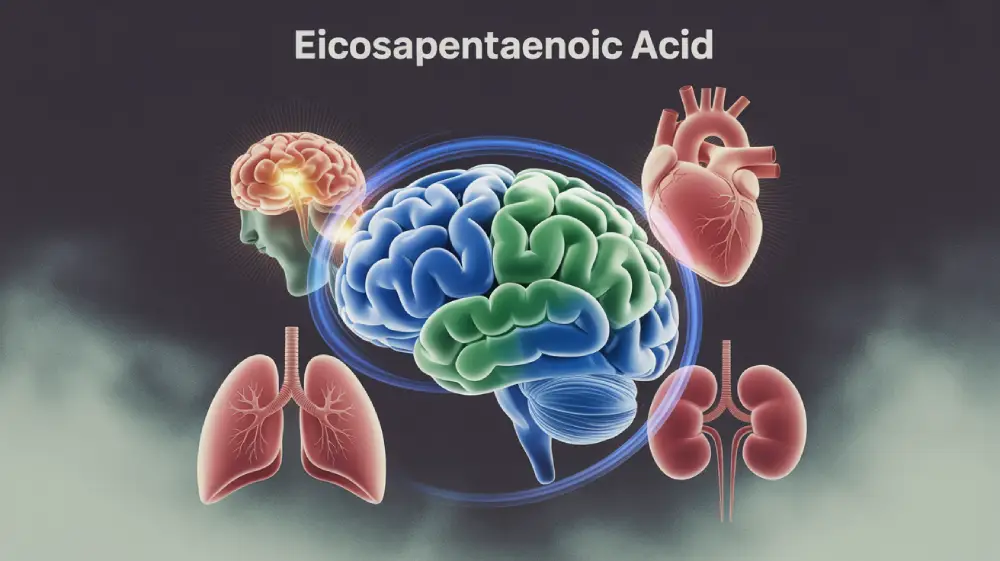
Eicosapentaenoic acid (EPA) offers significant benefits for heart health through multiple mechanisms. Research shows it affects blood lipids, inflammation, and arterial function, making it valuable for cardiovascular disease prevention.
Cholesterol and Blood Lipids
EPA has demonstrated positive effects on blood lipid profiles in clinical studies. When taken as a supplement, EPA can help reduce LDL cholesterol (the “bad” cholesterol) while increasing HDL cholesterol (the “good” cholesterol) that helps remove harmful fats from your bloodstream.
Unlike some other omega-3 fatty acids, EPA appears to have unique effects on lipid management. It may be particularly helpful if you have hyperlipidemia, a condition characterized by abnormally high levels of lipids in your blood.
The dosage matters when seeking these benefits. Most studies showing significant improvements in cholesterol profiles used higher doses of purified EPA rather than mixed omega-3 supplements.
Your response to EPA supplementation may vary based on your diet, genetics, and existing medications. Many doctors recommend testing your lipid levels before and after starting EPA supplementation.
Triglyceride Levels and Blood Pressure
EPA is particularly effective at lowering triglyceride levels, sometimes reducing them by 20-50% in people with hypertriglyceridemia. This effect appears to be dose-dependent, with higher doses producing more significant reductions.
For those with high blood pressure, EPA may offer modest benefits. Research indicates it can help reduce both systolic and diastolic blood pressure, though the effect is typically smaller than with dedicated blood pressure medications.
EPA’s mechanism for lowering blood pressure likely involves:
- Improving blood vessel elasticity
- Reducing inflammation in blood vessel walls
- Supporting the healthy production of nitric oxide, a molecule that helps blood vessels relax
These effects make EPA supplementation potentially valuable as part of a comprehensive approach to managing hypertension, especially when combined with lifestyle modifications.
Atherosclerosis and Heart Disease Risk
EPA helps fight atherosclerosis—the buildup of plaque in arteries—through multiple pathways. It reduces inflammation, which plays a key role in plaque formation and instability.
Several large clinical trials have demonstrated EPA’s potential to reduce cardiovascular events. The REDUCE-IT trial showed that high-dose, purified EPA supplementation reduced the risk of coronary revascularization and other major adverse cardiovascular events compared to placebo.
EPA may provide these benefits by:
- Stabilizing existing plaques, making them less likely to rupture
- Improving endothelial function in your blood vessels
- Reducing oxidative stress that damages arteries
- Decreasing platelet aggregation that contributes to clot formation
If you have established heart disease or multiple risk factors, EPA supplementation may be particularly beneficial as part of your prevention strategy.
EPA Supplementation
Eicosapentaenoic acid (EPA) supplements provide important omega-3 fatty acids that may benefit heart health, reduce inflammation, and support cognitive function. Research shows that proper supplementation can help manage triglycerides and potentially improve mental health conditions.
Types of EPA Supplements
EPA supplements come in several different forms, each with unique characteristics. The most common form is ethyl ester, which is concentrated and highly purified but may be less well absorbed than other forms.
Triglyceride form offers better absorption and bioavailability than ethyl ester EPA. When you buy eicosapentaenoic acid, check the label to determine which form you’re getting.
Fish oil capsules typically contain both EPA and DHA, though in varying ratios. Some products are EPA-dominant if you specifically need higher EPA content.
Algal oils provide a plant-based option for vegetarians and vegans who want to purchase eicosapentaenoic acid without consuming fish products.
Liquid EPA is available for those who struggle with swallowing capsules or need higher doses.
Dosing and Safety Considerations
Typical EPA dosages range from 500mg to 2000mg daily, depending on your health goals. Clinical studies have used up to 1800mg daily for heart disease prevention with positive results.
Start with a lower dose and gradually increase to minimize potential side effects like:
- Fishy aftertaste
- Mild digestive discomfort
- Potential for increased bleeding time
When you order eicosapentaenoic acid, look for third-party tested products to ensure purity and absence of contaminants like mercury and PCBs.
Take EPA supplements with meals containing some fat to improve absorption. If you’re on blood thinners or have a bleeding disorder, consult your doctor before starting EPA supplements.
Efficacy in Clinical Settings
EPA shows impressive results in clinical research across several health conditions. For cardiovascular health, EPA supplementation can reduce triglyceride levels by 20-30% and may help lower inflammation markers.
Studies indicate EPA is more effective than DHA for improving cognitive function, with one trial showing EPA supplementation specifically enhanced global cognitive function more than DHA-rich oils.
Depression management has emerged as a promising application for EPA supplements. Research shows EPA may be more effective than DHA for mood regulation, potentially working through anti-inflammatory pathways in the brain.
For inflammatory conditions, EPA produces less inflammatory eicosanoids than omega-6 fatty acids, helping to balance the body’s inflammatory response. This makes it valuable for conditions with chronic inflammation.
Japanese studies using 1800mg EPA daily for five years demonstrated significant reductions in major coronary events in patients with high cholesterol.
Physical and Chemical Characteristics
Eicosapentaenoic acid (EPA) has distinct physical and chemical properties that influence its handling in laboratory and clinical settings. Its molecular structure contains five double bonds, making it highly unsaturated and reactive to environmental factors.
Solubility and Dissolution
EPA is a carboxylic acid with a 20-carbon chain that exhibits poor water solubility due to its long hydrocarbon chain. You’ll find EPA is highly soluble in organic solvents such as ethanol, chloroform, and DMSO.
When preparing stock solutions, use DMSO at concentrations of 10-50 mg/mL for laboratory applications. The molecular weight of EPA is approximately 302.451 g/mol, which helps you calculate proper dilutions.
For improved dissolution in aqueous environments, you can prepare EPA as a sodium or potassium salt, which increases water solubility significantly. Alternatively, complexing EPA with cyclodextrins or using surfactants can enhance its dispersion in water-based systems.
Stability and Storage
EPA is highly susceptible to oxidation due to its five cis double bonds. When exposed to light, heat, or oxygen, EPA rapidly deteriorates through lipid peroxidation.
To maintain stability, you should:
- Store the EPA under nitrogen or argon gas
- Keep in amber or opaque containers
- Maintain temperatures between -20°C and -80°C
- Add antioxidants like BHT or tocopherol for long-term storage
EPA has a boiling point of approximately 439.3°C at standard pressure and a melting point between -54°C and -53°C. These properties affect handling considerations during purification processes.
The shelf life of properly stored EPA can extend to 12-24 months, but you should regularly check for signs of oxidation, like yellowing or rancid odor.
Laboratory Preparation
EPA can be extracted from marine oils or synthesized through several routes. For laboratory-scale preparation, you typically start with fish oil, followed by urea fractionation to concentrate polyunsaturated fatty acids.
Purification methods include:
- Preparative HPLC
- Silver nitrate chromatography
- Molecular distillation
When synthesizing EPA, you can use a Wittig reaction sequence starting with appropriate building blocks. Alternatively, enzymatic processes using specific lipases allow for selective synthesis with controlled stereochemistry.
Quality control should include gas chromatography analysis to verify EPA purity and chemical structure. You should aim for >95% purity for research applications, with minimal oxidation products.
Comparing EPA With Other Fatty Acids
Eicosapentaenoic acid (EPA) differs from other fatty acids in structure, function, and health effects. These differences influence how each fatty acid affects inflammation, blood lipids, and cellular function in the body.
Docosahexaenoic Acid (DHA)
EPA and DHA are both long-chain omega-3 fatty acids found in fish oil, but they have distinct effects on your health. DHA contains 22 carbon atoms compared to EPA’s 20, giving it different properties in cell membranes.
Research shows that DHA is more effective than EPA in modulating specific inflammatory markers and blood lipids. When comparing their effects on lipoproteins, both fatty acids alter the lipoprotein proteome, but EPA has a greater impact on down-regulated proteins.
DHA is particularly concentrated in brain and eye tissue, making it crucial for cognitive and visual function. EPA, meanwhile, appears more potent for reducing inflammation in cardiovascular tissue.
The ratio of EPA to DHA in supplements matters significantly. Studies that compare different EPA/DHA ratios show varying effects on lipoprotein metabolism.
Alpha-Linolenic Acid (ALA)
ALA is a plant-based omega-3 fatty acid with 18 carbon atoms, making it shorter than EPA. You find ALA in flaxseeds, walnuts, and chia seeds.
Your body must convert ALA to EPA and then to DHA, but this conversion is inefficient—typically, less than 10% of ALA converts to EPA, and even less becomes DHA. This makes direct consumption of EPA more effective for raising blood levels.
ALA provides different benefits than EPA. While EPA directly influences inflammatory pathways, ALA serves as a precursor and offers plant-based antioxidant properties.
For vegetarians or those who don’t consume fish, ALA represents the primary dietary source of omega-3s. However, you may need larger amounts of ALA to achieve the same anti-inflammatory effects as EPA.
Arachidonic Acid
Arachidonic acid (AA) is an omega-6 fatty acid with 20 carbon atoms, structurally similar to EPA but with different double bond positions. This structural difference creates opposing physiological effects.
While EPA produces anti-inflammatory compounds, AA typically generates pro-inflammatory eicosanoids. The balance between these fatty acids affects your body’s inflammatory response.
EPA and AA differ in their effects on membrane structure and inflammatory pathways. EPA can competitively inhibit AA metabolism, reducing inflammation.
Your diet’s ratio of omega-3 (like EPA) to omega-6 (like AA) fatty acids influences inflammation levels. Modern Western diets often contain too much AA relative to EPA, potentially contributing to chronic inflammatory conditions.
Consuming more EPA helps balance this ratio and may reduce AA-derived inflammatory compounds.
Current Research and Clinical Trials
Scientific investigation of eicosapentaenoic acid (EPA) continues to expand, with numerous promising findings in recent years. Researchers are actively examining the effects on various health conditions through rigorous clinical trials and experimental studies.
Recent Findings
A 12-week randomized double-blind clinical trial recently evaluated EPA’s effectiveness for episodic migraine prevention. The study involved 70 participants with episodic migraine, producing valuable data on EPA’s potential neurological benefits.
Research has shown that higher doses of EPA (>1 g/day) improved depression measures, particularly in major depressive disorder patients with elevated inflammation markers. This finding strengthens the connection between inflammation, mental health, and omega-3 fatty acids.
Current studies indicate that EPA supplementation offers beneficial effects on:
- Triglyceride regulation
- Total cholesterol levels
- Insulin resistance
- Blood pressure management
Ongoing Studies and Future Directions
Scientists are currently investigating improved delivery methods for EPA. A randomized double-blind trial demonstrated that Self-Emulsifying Drug Delivery System (SEDDS) technology enhanced EPA absorption approximately threefold compared to standard formulations.
Future research will likely focus on optimal dosing strategies and specific populations who might benefit most from EPA supplementation. Many clinical trials are examining EPA’s role in neuroinflammatory conditions due to its anti-inflammatory properties.
You can expect more personalized recommendations for EPA supplementation as researchers continue to identify genetic and environmental factors that influence individual responses to omega-3 fatty acids.
How to Choose and Use EPA Products
Selecting high-quality EPA supplements requires understanding both purity standards and reliable sources. Proper usage of these products can help you maximize their health benefits.

Quality and Purity Standards
When selecting EPA products, look for those that have been third-party tested for purity and potency. Check for certification marks from organizations like the International Fish Oil Standards (IFOS) or U.S. Pharmacopeia (USP) on the label. These indicate the product meets strict quality standards.
Look for products that specify the exact amount of EPA per serving, not just “total omega-3s.” High-quality supplements should clearly state they’re free from heavy metals, PCBs, and other contaminants.
The form matters too. Triglyceride forms of EPA are generally better absorbed than ethyl ester forms. If you’re concerned about fish burps or aftertaste, consider enteric-coated capsules or refrigerating your supplements.
Products with added antioxidants like vitamin E help prevent oxidation and rancidity, extending shelf life and maintaining potency.
Where to Buy Eicosapentaenoic Acid
You can purchase EPA supplements from various retailers, including pharmacies, health food stores, and online marketplaces. When buying online, stick to reputable retailers or directly from manufacturers with good customer reviews and transparent business practices.
Prescription-grade EPA products like Vascepa are available through healthcare providers and may be covered by insurance for certain conditions. These typically contain higher doses and undergo stricter quality control.
Compare prices, but be wary of suspiciously cheap products. Quality EPA supplements require careful processing and testing, which is reflected in the price. Many companies offer subscribe-and-save options that can reduce costs for long-term use.
Before buying, check expiration dates and storage requirements to ensure you’re getting a fresh product that will maintain its potency.
Frequently Asked Questions
What are the health benefits associated with consuming EPA supplements?
EPA supplements provide significant cardiovascular benefits. They can help reduce coronary heart disease risk, lower high triglycerides, decrease blood pressure, and fight inflammation.
EPA also supports mental health and may help reduce symptoms of some mood disorders. Many people take EPA for its anti-inflammatory properties, which can benefit joint health and reduce pain associated with inflammatory conditions.
Research suggests EPA may help improve skin health and provide support for certain autoimmune conditions. The anti-inflammatory effects can extend to multiple body systems.
How do EPA and DHA differ, and what are their individual roles in the body?
EPA and DHA are both omega-3 fatty acids, but they serve different functions in your body. EPA primarily works as an anti-inflammatory agent and supports cardiovascular health.
DHA, on the other hand, is crucial for brain and eye development and function. It forms a significant part of your brain structure and is particularly important during pregnancy and early childhood development.
Your body can convert small amounts of EPA to DHA, but this process is limited. This is why many supplements contain both fatty acids, which ensures you get adequate amounts of each.
Can taking EPA supplements lead to any adverse effects?
Most people tolerate EPA supplements well, but some may experience mild side effects. These can include fishy aftertaste, bad breath, digestive discomfort, nausea, or loose stools.
At higher doses, EPA may increase bleeding risk because it can have a mild blood-thinning effect. This is particularly important to consider if you take blood-thinning medications or have a bleeding disorder.
Some people may experience allergic reactions, especially if they have shellfish allergies. Always check the source of omega-3 supplements if you have known allergies.
What are the recommended dosages for EPA supplements for different health conditions?
For general health maintenance, lower doses of EPA may be sufficient. However, for specific conditions like high triglycerides, higher doses are often recommended.
Most clinical studies use EPA doses ranging from 1-2 grams daily for up to 6 months. For cardiovascular benefits, this dosage range is commonly suggested by healthcare providers.
Your specific dosage needs may vary based on your health status, medications, and treatment goals. Always consult with a healthcare provider to determine the right amount for your situation.
In what forms are EPA supplements available, and how should they be taken?
EPA supplements come in several forms to suit different preferences. You can find them as capsules or liquid preparations, with varying concentrations of EPA and DHA.
For better absorption, take EPA supplements with a meal that contains some fat. This helps your body process the fatty acids more efficiently. Some products are designed for enhanced absorption and may be taken without food.
Enteric-coated capsules can help reduce the common fishy aftertaste and burping that some people experience. Refrigerating fish oil supplements can also help maintain freshness and reduce unpleasant tastes.
Are there any known interactions between EPA supplements and other medications?
EPA supplements may interact with blood-thinning medications like warfarin, aspirin, or clopidogrel. The combination could potentially increase bleeding risk, so medical supervision is important.
Some blood pressure medications may have enhanced effects when taken with EPA. While this can be beneficial, it requires monitoring to prevent blood pressure from dropping too low.
Always inform your healthcare providers about all supplements you take, including EPA. This helps them evaluate potential interactions with your current medications and adjust dosages if necessary.
Conclusion
Eicosapentaenoic acid (EPA) is a powerful omega-3 fatty acid with significant health benefits. Research shows the EPA plays a key role in lowering triglycerides in the bloodstream, which is crucial for heart health.
EPA works by reducing the liver’s production of very low-density lipoproteins (VLDLs), directly impacting your triglyceride levels. This makes it particularly valuable if you’re working to improve your cardiovascular health profile.
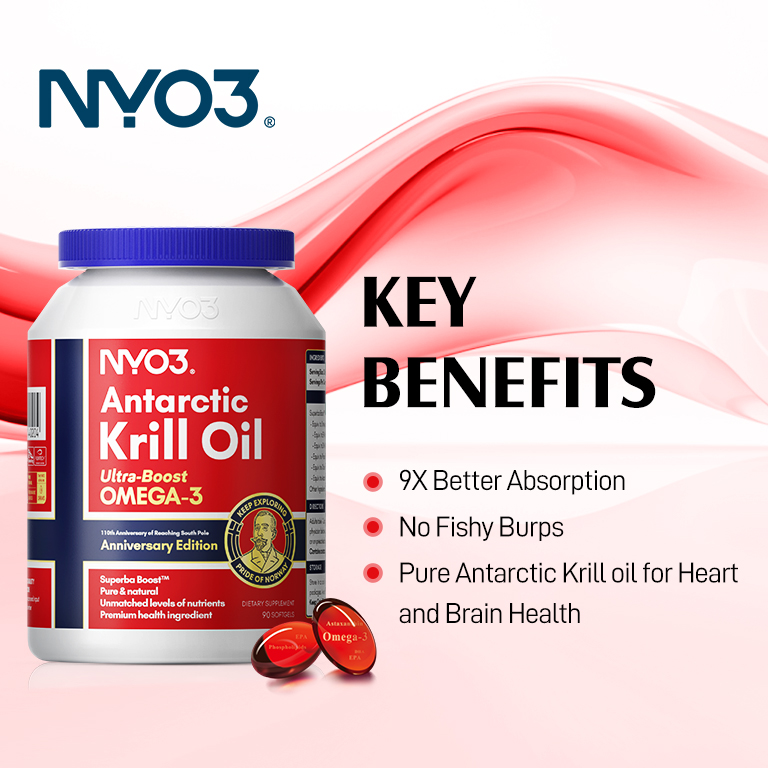
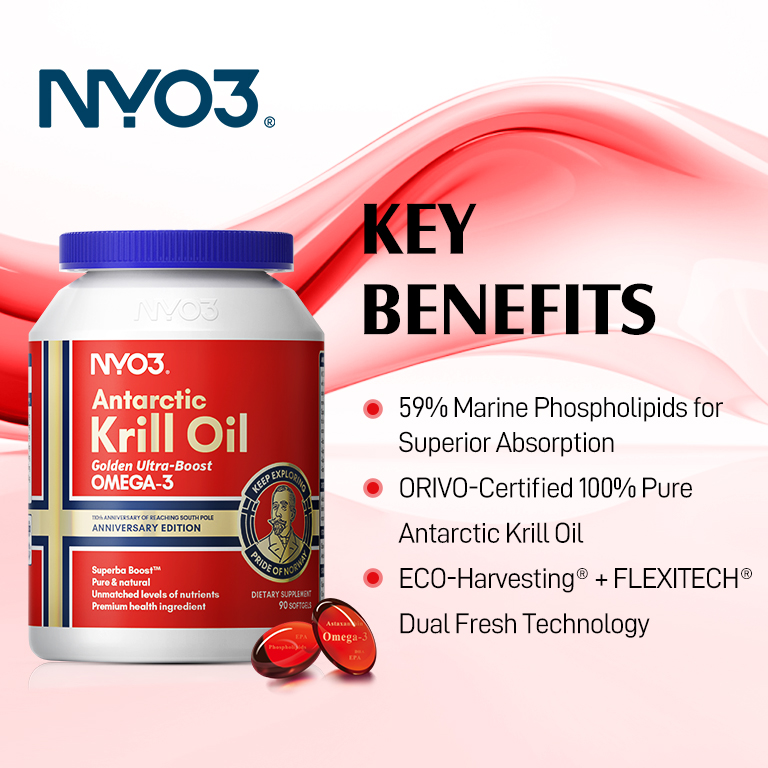
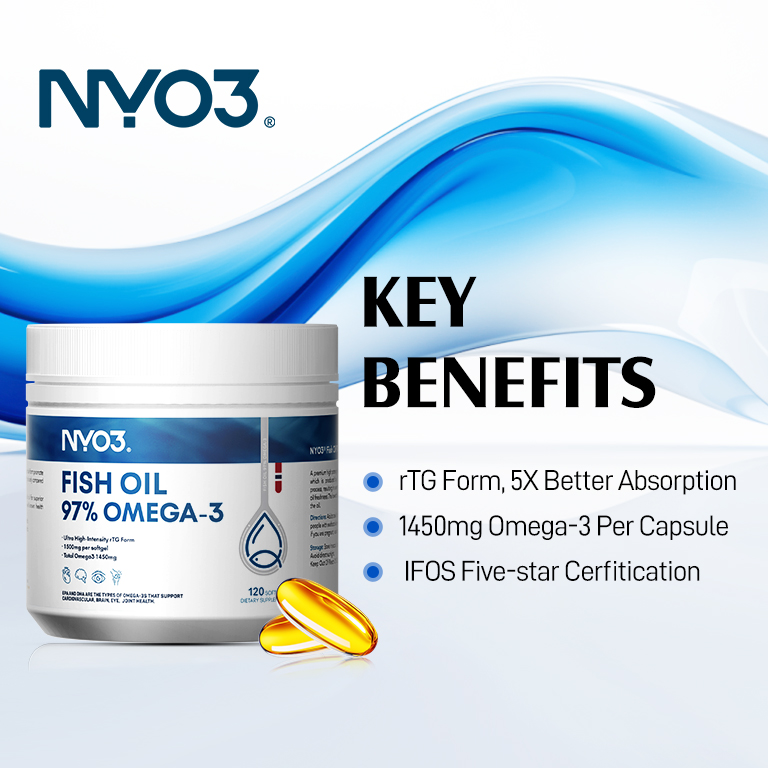
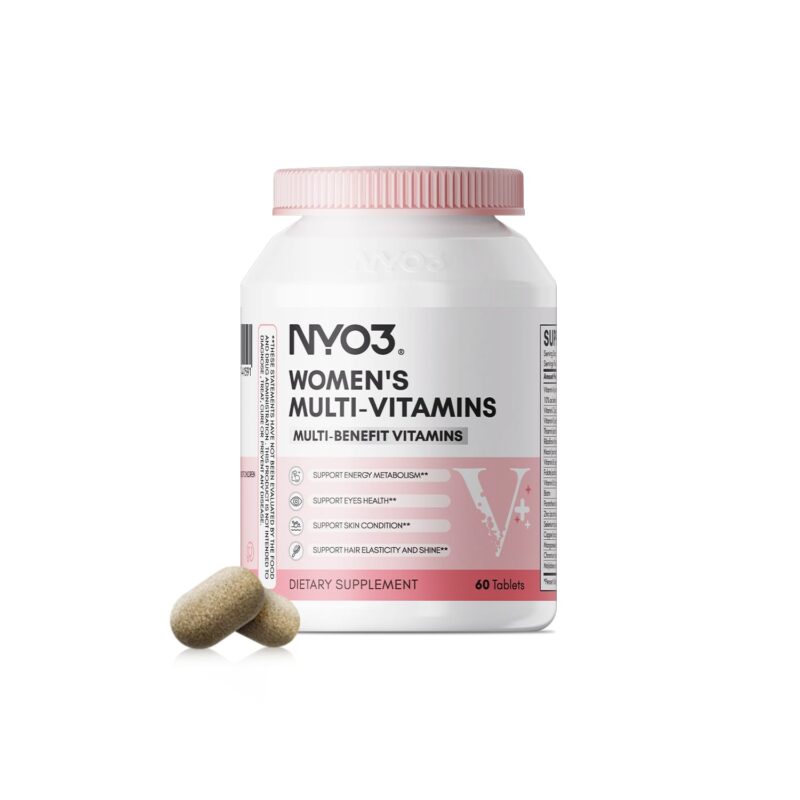
When considering omega-3 supplements, NYO3 EPA supplements offer a high-quality option with concentrated EPA. These supplements provide a convenient way to increase your EPA intake without consuming large amounts of fish.
You should be aware that EPA may slow blood clotting, so consult with your healthcare provider if you take blood-thinning medications.
Studies suggest that regular EPA supplementation can positively affect:
- Triglyceride levels
- Total cholesterol
- Insulin resistance
- Blood pressure
For optimal results, a consistent daily intake is recommended. The benefits of EPA build over time, so making it part of your regular health routine is important for seeing meaningful improvements in your health markers.