
24 Health Benefits of Salmon Oil You Should Know.
Salmon oil is a rich source of omega-3 fatty acids, which play an important role in supporting your overall health. The health benefits of salmon oil include improving heart health, reducing inflammation, and supporting brain function. Adding salmon oil to your diet, whether through eating salmon or taking supplements, can provide these essential nutrients in an easy way.
You might be wondering why salmon oil is better than other oils. Its high levels of EPA and DHA, two key omega-3s, make it particularly effective for helping your body in multiple ways. Knowing how salmon oil can improve your health can help you decide if it’s a good choice to include regularly in your meals or as a supplement.



What Is Salmon Oil?
Salmon oil is a rich source of omega-3 fatty acids, extracted from salmon. It offers important nutrients that support heart, brain, and skin health. Understanding how it’s made, how it compares to other fish oils, and what nutrients it contains will help you decide if it fits your diet.
How Salmon Oil Is Produced
Salmon oil is made by extracting oil from the fatty tissues of salmon. This happens after the fish is processed for food. The oil can come from wild or farmed salmon, depending on the source.
The extraction often uses heat or pressure to release the oil. Some methods also involve purification to remove impurities and concentrate the beneficial fats. The final product is available as a liquid or softgel supplement.
You can also get salmon oil by eating salmon itself. Cooking salmon preserves many nutrients, but the concentrated oil form gives you a higher dose of omega-3s per serving.
Salmon Oil vs. Other Fish Oils
Salmon oil stands out among fish oils because it has a higher level of certain omega-3s, mainly EPA and DHA. These omega-3 fats are more easily absorbed and used by your body than others.
Compared to oils from sources like cod liver or anchovies, salmon oil often contains fewer vitamins A and D but more omega-3s. This makes it a preferred choice if you want to focus on omega-3 intake without extra vitamins.
Because salmon oil comes from fatty fish, it is also less likely to have a strong fishy smell or taste, which some people find more appealing than other fish oils.
Nutrients Found in Salmon Oil

Salmon oil is rich in omega-3 fatty acids, especially EPA (eicosapentaenoic acid) and DHA (docosahexaenoic acid). These are key for reducing inflammation and supporting heart and brain function.
It also contains vitamin D in smaller amounts, which helps with bone health. Some salmon oil includes antioxidants like astaxanthin, which gives salmon its pink color and may protect your cells.
Here’s a quick list of key nutrients in salmon oil:
- Omega-3 fatty acids (EPA, DHA)
- Vitamin D
- Astaxanthin (antioxidant)
- Small amounts of other fats and vitamins
These nutrients make salmon oil a strong source to improve your intake of healthy fats and related vitamins compared to many other oils.
Omega-3 Fatty Acids in Salmon Oil
Salmon oil is a rich source of omega-3 fatty acids, which play important roles in your body. These nutrients help support brain function, heart health, and cell structure. Understanding the types of omega-3s and how they work can help you see why salmon oil is beneficial.
Types of Omega-3s: EPA, DHA, and ALA
There are three main types of omega-3 fatty acids: EPA, DHA, and ALA. Salmon oil contains high levels of EPA (eicosapentaenoic acid) and DHA (docosahexaenoic acid). These two forms come from fish and are considered the most helpful for your health because your body uses them directly.
ALA (alpha-linolenic acid) is another omega-3 found in plants like flaxseed, but is less common in salmon oil. Your body can convert ALA into EPA and DHA, but this process is inefficient. Eating salmon oil gives you a direct supply of EPA and DHA without depending on conversion.
Role of EPA and DHA in the Body
EPA and DHA have specific jobs in your body. EPA mainly helps reduce inflammation and supports your heart health. It can lower blood triglycerides and improve blood flow, which lowers the risk of heart problems.
DHA is key for brain and eye health. It is a major component of your brain’s structure and helps with memory and focus. Pregnant people especially benefit from getting DHA for their baby’s brain development. Both EPA and DHA help regulate your immune system and can improve mood.
Cell Membranes and Omega-3s
Omega-3 fatty acids, especially DHA, are important parts of your cell membranes. They help keep cell membranes flexible and strong. This flexibility is crucial because it affects how cells communicate and function.
When cell membranes contain enough omega-3s, nutrients enter and exit cells more easily. This supports overall cell health and reduces the chance of damage. Without enough omega-3s, membranes can become stiff and less effective, which impacts many body systems. Salmon oil provides those vital fats to maintain healthy cell membranes.
Heart Health Benefits
Salmon oil contains omega-3 fatty acids that can help improve your heart health in several important ways. These fats affect your blood and blood vessels, lowering harmful fats and easing pressure on your heart. This supports better circulation and lowers your chances of heart-related problems.
Lowering Triglycerides
High triglyceride levels put extra strain on your heart and increase the risk of heart disease. Salmon oil’s omega-3s, especially EPA and DHA, help reduce these levels by slowing down the liver’s production of triglycerides.
Taking about 1 gram of salmon oil daily can lower triglycerides by 15% to 30%. Lower triglycerides improve your overall cholesterol balance, which supports better heart health. Reducing triglycerides also decreases your risk of stroke and heart attack by preventing the buildup of fatty deposits in blood vessels.
Managing Blood Pressure
Salmon oil can help lower your blood pressure, an important factor in preventing cardiovascular disease. The omega-3s work by relaxing blood vessels, improving blood flow, and reducing inflammation.
Studies show that omega-3 intake can reduce blood pressure by a few points, which lessens stress on your heart and arteries. This effect is more noticeable if you have high blood pressure already. Keeping your blood pressure in check reduces the risk of heart attacks and strokes over time.
Reducing the Risk of Heart Disease
Omega-3 fats in salmon oil offer several benefits that together reduce heart disease risk. They help prevent blood clots by making your blood less sticky, which lowers the chance of blockages.
Salmon oil also helps lower LDL (bad) cholesterol while supporting healthy HDL (good) cholesterol. Its anti-inflammatory properties protect your arteries from damage and reduce plaque buildup.
Including salmon oil in your diet as recommended can support your heart’s function and lower your chances of cardiovascular problems such as heart attacks and strokes.
Inflammation Reduction and Joint Support
Salmon oil is rich in omega-3 fatty acids that help lower inflammation and support your joint health. You may notice less pain, stiffness, and swelling with regular use. Its compounds work specifically to ease symptoms linked to arthritis and other joint issues.
Anti-Inflammatory Properties
The omega-3 fats in salmon oil, mainly EPA and DHA, act as natural anti-inflammatory agents. These fats reduce the production of substances in the body that cause inflammation. When inflammation is lowered, your risk of chronic diseases related to joint damage also drops.
Taking salmon oil regularly can help control ongoing inflammation in your joints. This is especially important if you face persistent inflammation that could lead to joint wear or worsening symptoms over time. Salmon oil may help calm your body’s immune response to injury or stress.
Arthritis Relief
If you have arthritis, including rheumatoid arthritis, salmon oil can be a useful addition to your care. Omega-3s help reduce joint swelling and tenderness that come with arthritis. They may work by blocking inflammatory chemicals that trigger pain and stiffness.
Studies suggest that people with rheumatoid arthritis often experience reduced morning stiffness and joint pain after taking salmon oil supplements. This can improve your ability to move and perform daily tasks. It is important to take the right dose, usually around 1 gram daily, and to talk to your doctor if you use blood thinners.
Reducing Joint Pain and Stiffness
Salmon oil also targets general joint pain and stiffness, not just arthritis symptoms. The anti-inflammatory properties help ease soreness in your joints caused by wear or minor injuries. This can enhance your comfort, flexibility, and overall joint function.
Many users report less discomfort and improved mobility after consistent use of salmon oil. It can be particularly helpful if you have stiffness after rest or physical activity. Remember to balance supplement use with other healthy habits like exercise and proper nutrition for best results.
Brain Health and Cognitive Function
Salmon oil is rich in omega-3 fatty acids, which play a key role in how your brain works. These fats help improve memory, thinking skills, mood, and protect against some health problems linked to aging. You can expect benefits for learning, mental clarity, and emotional balance.
Supporting Brain Function
Omega-3s in salmon oil, especially DHA, make up a big part of your brain’s structure. They help keep brain cells healthy and improve communication between neurons.
When you take salmon oil, it can enhance memory and learning. Studies show it increases blood flow to the brain during mental tasks, which supports concentration and focus.
You may notice better problem-solving and clearer thinking, especially if you don’t get enough omega-3s in your regular diet.
Cognitive Decline and Alzheimer’s Disease
Cognitive decline affects many as they age, and salmon oil may help slow this process. DHA boosts brain cell survival and reduces damage from harmful molecules, which are linked to aging and Alzheimer’s disease.
Using salmon oil supplements has been shown to improve certain memory tests and brain functions in older adults. It is not a cure, but it can support brain health and delay some symptoms.
Including salmon oil in your diet can be part of a plan to protect your brain against memory loss and keep your thinking sharp longer.
Mood, Depression, and Anxiety
Salmon oil’s omega-3s also influence your mood by regulating brain chemicals. They can reduce symptoms of depression and anxiety for some people.
The fats help control inflammation in the brain, which is often higher in those with mood disorders. This may help lower feelings of sadness and stress.
Taking salmon oil regularly can support emotional balance and improve how you cope with daily challenges that affect your mental health.
Eye Health and Vision Support
Salmon oil is rich in omega-3 fatty acids that play a key role in protecting your eyes and supporting clear vision. It can help lower your risk of serious eye diseases and assist in maintaining healthy eye function over time.

Reducing the Risk of Macular Degeneration
Macular degeneration is a leading cause of vision loss, especially as you age. The omega-3 fatty acids in salmon oil, particularly DHA, are essential for the health of your retina and macula. These nutrients help reduce inflammation, which is a factor in age-related macular degeneration (AMD).
Regular intake of salmon oil may slow down the progression of AMD. This effect supports your ability to see fine details and maintain central vision. Including salmon oil in your diet can be part of an effective strategy to protect your eyes from this common condition.
Glaucoma and Eye Pressure
Glaucoma damages the optic nerve, often due to high pressure inside the eye. Salmon oil’s omega-3s can support better blood flow in your eyes and help keep blood vessels healthy. This may help reduce eye pressure and protect nerve cells.
Studies have shown that omega-3 supplementation is linked to a lower risk of glaucoma. Taking salmon oil may improve your eyes’ oxygen circulation, which is important for preventing further damage to vision caused by glaucoma.
Visual Development and Maintenance
DHA is a major building block of the eye’s retina. Taking salmon oil ensures you get enough of this critical nutrient to support the growth and repair of retinal cells. This is especially important if you want to maintain good vision as you get older.
Omega-3s also help maintain tear production. This means you might experience fewer dry eye symptoms, improving comfort and overall eye function. Including salmon oil as part of your routine supports your eyes in working well every day.
Skin Health and Immune Function
Salmon oil contains omega-3 fatty acids and vitamins that help keep your skin strong and healthy. It works to protect your skin’s natural barrier, soothes inflammation, and supports your immune system. These effects can make your skin more resilient and reduce discomfort from certain skin conditions.
Supporting Skin Barrier
The skin barrier shields your body from harmful things like bacteria and pollution. Salmon oil helps by supplying omega-3 fatty acids, which replenish lipids in your skin. This strengthens the barrier and helps lock in moisture.
Vitamins A, D, and E in salmon oil act as antioxidants. They protect your skin cells from damage caused by free radicals. When your skin barrier is healthy, it feels softer, looks smoother, and resists dryness.
Using salmon oil topically or taking it as a supplement can make your skin more flexible and less prone to irritation. It is especially helpful if your skin feels dry or rough because of a weak barrier.
Easing Dermatitis Symptoms
Dermatitis causes inflammation, redness, and itchiness on the skin. The omega-3 fats in salmon oil have anti-inflammatory properties that may reduce these symptoms. By calming skin inflammation, salmon oil can help ease discomfort linked to dermatitis.
When applied or ingested, it may lower redness and improve hydration in irritated skin. This can lessen flaking and roughness, common signs of dermatitis. However, those with very oily or acne-prone skin should use salmon oil cautiously to avoid clogged pores.
If you have a fish allergy, consult a doctor before using salmon oil products to prevent allergic reactions. For others, salmon oil may be a gentle addition to skin care routines targeting inflammation.
Boosting Immune Response
Salmon oil supports your immune system by supplying nutrients that enhance defense mechanisms throughout the body. Omega-3 fatty acids influence immune cell function and help regulate inflammation, which is crucial for a balanced immune response.
By reducing chronic low-level inflammation, salmon oil helps your immune system work more efficiently without overreacting. This balance aids in protecting your skin from infections and supports overall skin health.
You can include salmon oil in your diet or skin care to help maintain a strong immune function linked to your skin’s health. This may lead to better healing and reduced sensitivity to environmental stressors.
Weight, Metabolism, and Diabetes
Salmon oil contains omega-3 fatty acids and other nutrients that can influence your body weight, metabolism, and how your body handles blood sugar. These effects may help with weight control, improve metabolic processes, and reduce diabetes risks.

Impact on Weight Loss
Including salmon oil in your diet may support weight loss by helping lower body fat and waist circumference. Studies show that omega-3s in salmon oil can reduce inflammation and improve fat burning, which means your body may use fat for energy more efficiently.
You might also notice a decrease in appetite and improvements in fat metabolism when taking salmon oil supplements. For example, people who add fish or salmon oil to a calorie-controlled diet can lose more weight, especially around the belly.
Role in Metabolic Health
Omega-3 fatty acids in salmon oil play a key role in maintaining healthy metabolism. They help regulate insulin sensitivity, which is important for keeping blood sugar stable and managing energy.
Salmon oil also supports muscle health, which affects how your body uses calories. Healthy omega-3 levels may help reduce blood pressure and triglycerides, common problems linked with poor metabolism.
By improving cell membrane function, salmon oil helps hormones work better, supporting your overall metabolic balance.
Diabetes Risk and Management
Salmon oil can be beneficial for people at risk of or living with diabetes. Omega-3s improve insulin resistance, making your cells more responsive to insulin and helping control blood sugar.
Some research shows that regular intake of salmon oil lowers blood glucose and reduces markers linked to diabetes complications. Additionally, nutrients like taurine in salmon oil may support better glucose regulation and protect against damage caused by high blood sugar.
If you have diabetes or prediabetes, adding salmon oil might improve your body’s ability to manage the condition.
Salmon Oil During Pregnancy and Breastfeeding
Salmon oil provides important nutrients that can support your health during pregnancy and breastfeeding. It contains omega-3 fatty acids, which play a role in brain development and may help reduce some pregnancy-related issues.

Benefits for Pregnant Women
During pregnancy, you may experience mood changes and inflammation. Salmon oil’s omega-3s, especially EPA and DHA, have been shown to help reduce symptoms of depression and anxiety.
Taking salmon oil may also support your heart health and lower inflammation, which can be beneficial during pregnancy. However, if you have health conditions like bleeding disorders or diabetes, consult your healthcare provider before taking supplements.
Eating salmon or taking salmon oil is generally seen as safe during pregnancy, but the quality of the supplement and dosage are important factors to consider.
Omega-3s and Fetal Development
The omega-3 fatty acids in salmon oil are essential for your baby’s brain and eye development. DHA, in particular, is a key building block for fetal neurological growth.
These fatty acids are transferred from you to your baby during pregnancy and continue through breastfeeding. A diet low in omega-3s may reduce the supply of these nutrients during critical stages of development.
While studies show omega-3s support fetal health, research has not firmly linked taking fish oil supplements in pregnancy to higher IQ or better motor skills in children later in life.
Breastfeeding and Infant Health
When breastfeeding, your body passes omega-3s from salmon oil to your baby through breast milk. This helps support your baby’s ongoing brain and eye development.
Some research suggests that fish oil taken by breastfeeding women may reduce the risk of allergies in infants. Ensuring your diet has enough omega-3s can also improve the nutritional quality of your milk.
You should still check with your healthcare provider before starting any new supplement in breastfeeding, especially if you have health conditions or are taking other medications.
Choosing and Using Salmon Oil Supplements
You can find salmon oil supplements in different forms depending on how you want to take them. It is important to pick high-quality products to avoid additives or impurities. You can also use salmon oil for cooking, but there are some things to consider to keep its benefits intact.
Forms of Salmon Oil Supplements
Salmon oil supplements usually come as softgels or liquids. Softgels are easy to swallow and dose. Liquids let you adjust the amount more precisely and mix with food or drinks.
Daily doses often suggest about 1 gram of combined EPA and DHA omega-3s. Avoid taking more than 3 grams without medical advice.
Check labels carefully to see what type of omega-3s are included and if there are other nutrients. Some supplements also add vitamins like D or E.
How to Select High-Quality Salmon Oil
Look for supplements tested by third-party groups like NSF or USP. These tests check for purity and make sure the product is free from heavy metals and pollutants.
Choose wild-caught salmon oil when possible, as it tends to have higher omega-3 levels than farmed salmon.
Read the ingredient list to avoid added fillers or artificial colors. A simple formula usually means better quality.
Keep an eye on the expiration date. Omega-3 oils can go rancid if stored too long. Store supplements in a cool, dark place.
Cooking With Salmon Oil
Salmon oil can be used as a cooking oil, but it has a low smoke point. This means it can burn easily if heated too much, which destroys omega-3s and affects taste.
Use salmon oil for light cooking like drizzling on cooked vegetables, mixing into sauces, or adding to salad dressings.
Avoid using salmon oil for frying or high-heat cooking. Instead, use oils with higher smoke points for those methods.
Adding salmon oil to cold or warm dishes lets you enjoy its nutritional benefits without damaging the oil.
Frequently Asked Questions
What are the potential benefits of salmon oil for skin health?
Salmon oil contains omega-3 fatty acids that help reduce inflammation and keep your skin hydrated. These fats can improve skin elasticity and may soothe conditions like dryness or irritation. The vitamin A in salmon oil supports skin repair and maintenance.
How does salmon oil impact hair condition and growth?
The essential fatty acids in salmon oil nourish your scalp and hair follicles. This can lead to stronger, shinier hair and may reduce hair breakage. Applying salmon oil topically might help soothe your scalp and improve scalp health.
What are the specific health benefits of salmon oil for women?
For women, salmon oil may ease menstrual cramps and improve egg quality. It can also support healthy pregnancy outcomes by promoting fetal development. The anti-inflammatory properties might help with symptoms of autoimmune conditions like rheumatoid arthritis.
Are there any unique benefits of salmon oil for men’s health?
Salmon oil can improve sperm quality and boost fertility in men. It supports heart health and reduces inflammation, which may protect against chronic illnesses. Maintaining healthy cholesterol levels is another benefit relevant to men’s overall health.
How does salmon oil compare to other fish oils in terms of health benefits?
Salmon oil is rich in both eicosapentaenoic acid (EPA) and docosahexaenoic acid (DHA), key omega-3 fats. It tends to have a balanced ratio of these fatty acids, similar to other fish oils like cod liver or krill oil. The choice depends on your specific health needs and dietary preferences.
Could there be any adverse effects associated with taking salmon oil?
Taking more than three grams daily can cause side effects like nausea, heartburn, or diarrhea. People with seafood allergies or those on blood thinners should consult a doctor before use. Choose high-quality supplements to reduce risks like heavy metal contamination.
Conclusion
Salmon oil is a rich source of omega-3 fatty acids, especially EPA and DHA, which support your heart, brain, and joint health. Adding salmon oil to your diet can help reduce inflammation and improve overall well-being.
You can get these benefits by eating salmon regularly or by taking a salmon oil supplement. Be sure to follow recommended doses to avoid side effects like nausea or indigestion.
When choosing a supplement, quality matters. You want a product that is pure, tested, and free from harmful additives.
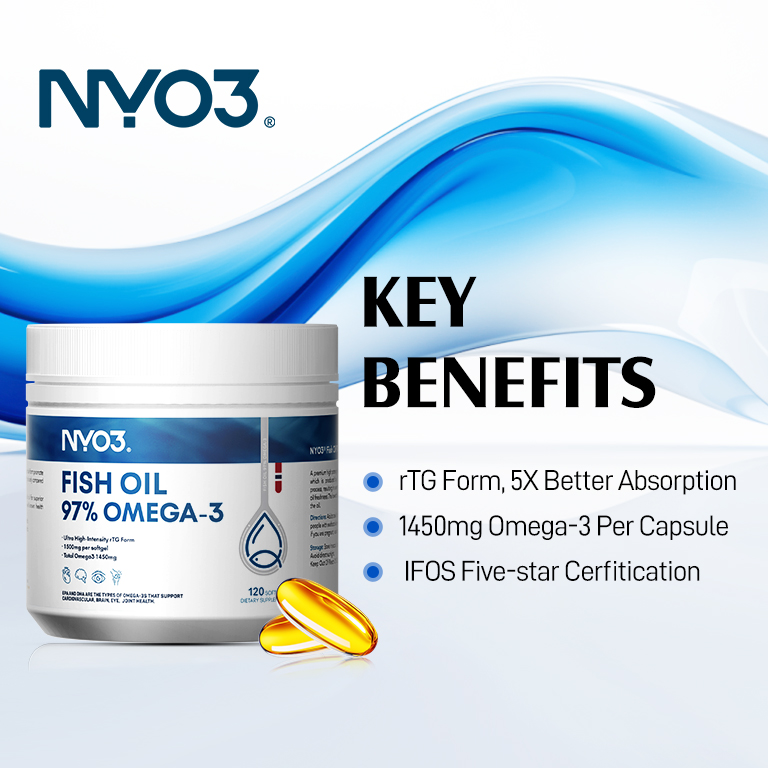
NYO3 Salmon Oil is a reliable choice. It offers high-quality omega-3s with added natural antioxidants for better absorption and safety.
Think about making salmon oil a part of your daily routine to support your health in a balanced, effective way.