
How Much Omega-3 Per Day: Optimal Intake for Health Benefits!
Omega-3 fatty acids play a key role in your health. They support your heart, brain, and joints. But how much do you need each day?
Most adults should aim for 250-500 mg of combined EPA and DHA omega-3s daily. This amount can help lower your risk of heart disease. You can get omega-3s from fish oil supplements or fatty fish.



Your needs may vary based on your age, health, and diet. Pregnant women and people with certain health issues might need more. Talk to your doctor to find out the right amount for you. They can help you decide if you need to boost your omega-3 intake through food or supplements.
The Importance of Omega-3 Fatty Acids
Omega-3 fatty acids are crucial nutrients for your health. They play key roles in brain function, heart health, and reducing inflammation.
Definition and Types
Omega-3s are a type of polyunsaturated fat your body can’t make on its own. You need to get them from food or supplements. There are three main types:
- ALA (alpha-linolenic acid)
- EPA (eicosapentaenoic acid)
- DHA (docosahexaenoic acid)
ALA is found in plant oils like flaxseed and chia seeds. EPA and DHA come mainly from fatty fish such as salmon and mackerel.
Your body can convert some ALA to EPA and DHA, but the process isn’t very efficient. That’s why it’s important to get EPA and DHA directly from food or supplements.
Health Benefits
Omega-3s offer many health benefits. They can help:
- Lower your risk of heart disease
- Reduce inflammation in your body
- Support brain health and development
- Improve eye health
Omega-3s may also help lower blood pressure. Some studies suggest they might reduce your risk of certain cancers, but more research is needed.
For pregnant women, getting enough omega-3s is vital for your baby’s brain and eye development. DHA is especially important during pregnancy and early life.
Recommended Daily Intake of Omega-3
The amount of omega-3 you need each day depends on your age, sex, and life stage. Guidelines vary between different health organizations. Let’s look at specific recommendations for different groups.

Adults
For adults, the recommended intake of alpha-linolenic acid (ALA) is 1.6 grams per day for men and 1 gram per day for women. ALA is a plant-based omega-3.
There are no official guidelines for EPA and DHA, the long-chain omega-3s found in fish. Some experts suggest 250-500 mg combined EPA and DHA daily for general health.
You can get omega-3s from food or supplements. Fatty fish like salmon, mackerel, and sardines are rich in EPA and DHA. Plant sources of ALA include flaxseeds, chia seeds, and walnuts.
Be careful not to overdo it. Taking more than 1,000 mg of omega-3s daily may increase your risk of irregular heartbeat.
Children and Adolescents
Kids need omega-3s for brain development and overall health. The amount they need varies by age.
For infants up to 12 months, the adequate intake is 0.5 grams per day. This amount is based on the omega-3 content of breast milk.
From ages 1-3, the recommended intake is 0.7 grams daily. For ages 4-8, it increases to 0.9 grams per day.
Older children and teens need more:
- Boys 9-13: 1.2 grams/day
- Girls 9-13: 1.0 grams/day
- Boys 14-18: 1.6 grams/day
- Girls 14-18: 1.1 grams/day
These guidelines are for total omega-3s, including ALA, EPA, and DHA. Good sources for kids include fatty fish, fortified foods, and supplements if needed.
Pregnant and Breastfeeding Women
Omega-3s are crucial during pregnancy and breastfeeding for fetal development. DHA is especially important for brain and eye development.
Pregnant women should aim for at least 200 mg of DHA daily. Some experts recommend up to 300 mg DHA plus 220 mg EPA per day.
For breastfeeding women, the recommended intake of ALA is 1.3 grams per day. This is higher than for non-breastfeeding women.
You can get these omega-3s from 8-12 ounces of low-mercury fish per week. If you don’t eat fish, talk to your doctor about supplements.
Remember to balance omega-3s with other nutrients. A varied diet is key for you and your baby’s health.
Omega-3 Sources
Omega-3 fatty acids come from various foods and supplements. You can get these essential nutrients from both animal and plant sources. Let’s look at the main ways to add omega-3s to your diet.
Marine Sources
Fish and seafood are top sources of omega-3s. Fatty fish like salmon, sardines, and anchovies are especially rich in EPA and DHA. These long-chain omega-3s are the most beneficial for your health.
You should aim to eat fish at least twice a week. A 3-ounce serving of salmon gives you about 1.5 grams of omega-3s. Sardines and mackerel are also great choices.
Other seafood options include:
- Oysters
- Mussels
- Tuna
- Herring
Fish oil is another way to get marine omega-3s. It’s made from the tissues of oily fish.
Plant-Based Sources
Plant foods contain a different type of omega-3 called ALA. Your body can convert some ALA to EPA and DHA, but not very well.
Good plant sources of omega-3s include:
- Flaxseeds and flaxseed oil
- Chia seeds
- Walnuts
- Soybeans and soybean oil
- Canola oil
Men need about 1.6 grams of ALA per day, while women need 1 gram. A tablespoon of ground flaxseed gives you about 1.6 grams. Chia seeds are also very high in ALA.
Leafy green vegetables like spinach and kale contain small amounts of ALA too. While not as rich as seeds and nuts, they can help boost your intake.
Supplements
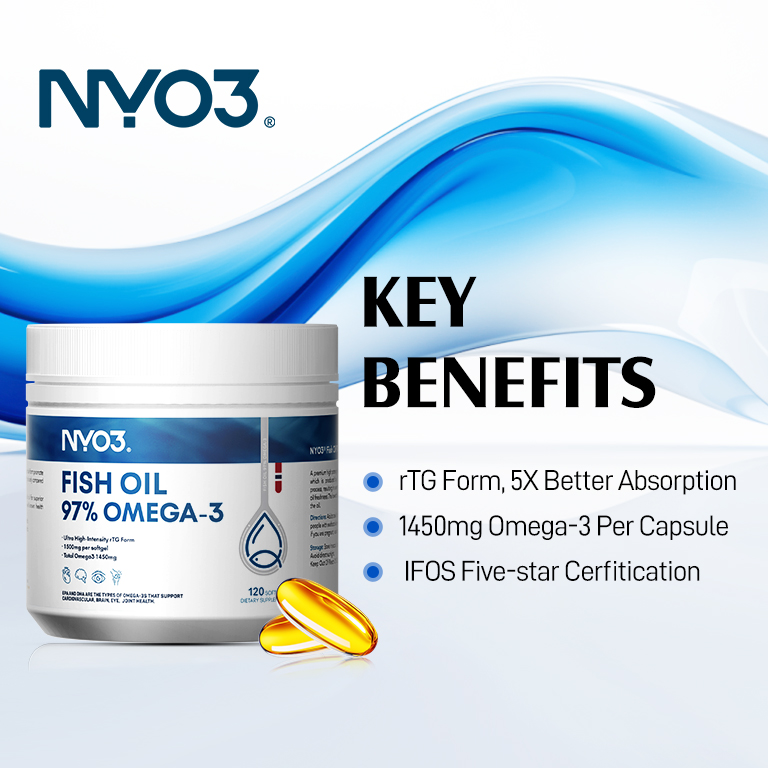
Omega-3 supplements can help you meet your needs if you don’t eat enough fish or plant sources. Fish oil capsules are the most common type.
A typical fish oil supplement provides about 1,000 mg of omega-3s per serving. This usually includes a mix of EPA and DHA.
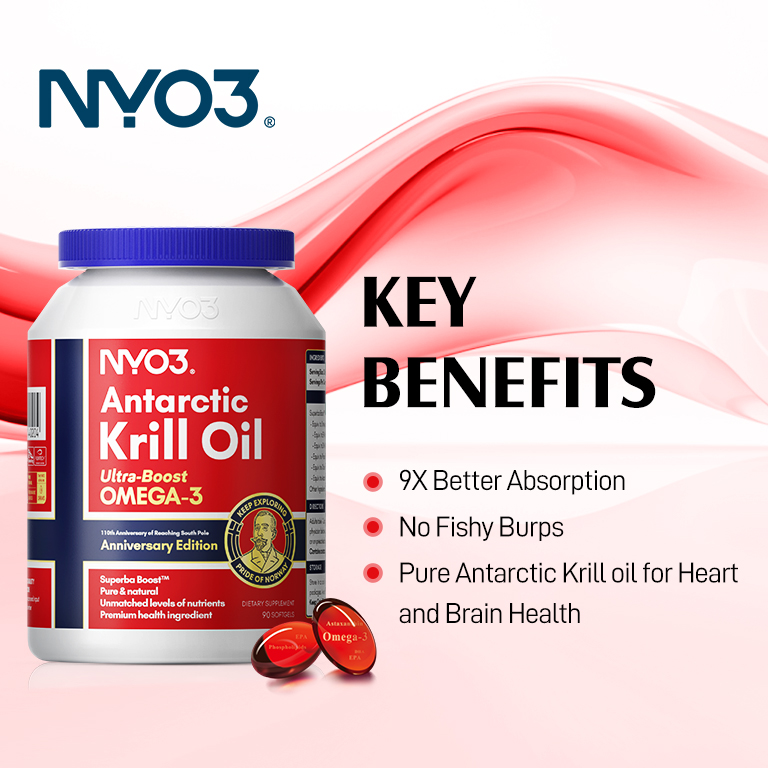
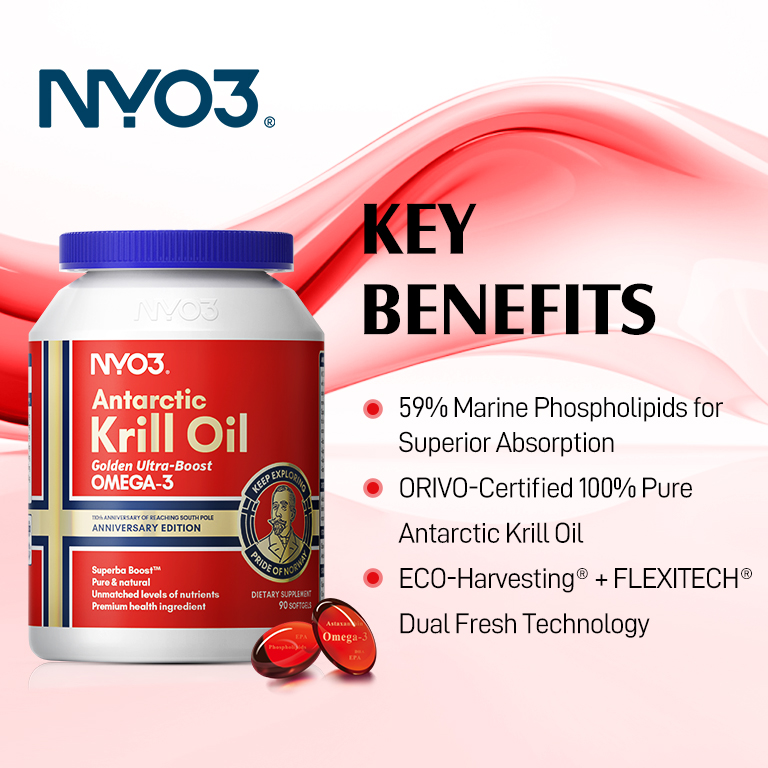
Algae oil is a good option for vegetarians and vegans. It provides DHA and sometimes EPA. Krill oil is another choice that may be easier for your body to absorb.
When choosing a supplement, look for:
- Third-party testing for purity
- The amount of EPA and DHA per serving
- Freshness to avoid rancid oils
Remember to talk to your doctor before starting any new supplement. They can help you decide on the right dose for your needs.
Balancing Omega-3 and Omega-6 Intake
Getting the right balance of omega-3 and omega-6 fatty acids is key for your health. Many people eat too much omega-6 and not enough omega-3.
The ideal ratio of omega-6 to omega-3 is about 3:1. Sadly, the typical Western diet has a much higher ratio, often 15:1 or more.
To improve your balance:
- Eat more omega-3-rich foods like fatty fish, flaxseeds, and walnuts.
- Cut back on processed and fried foods high in omega-6.
- Choose grass-fed meats over grain-fed.
- Use olive oil instead of vegetable oils high in omega-6.
The National Academy of Medicine suggests adults get 1.1 to 1.6 grams of omega-3s daily. This helps ensure you’re meeting your needs.
Remember, both omega-3 and omega-6 are important. Your goal is balance, not elimination. By making small changes to your diet, you can improve your omega-3 to omega-6 ratio and boost your health.
Omega-3 Deficiency
Getting enough omega-3s is important for your health. Not having enough can lead to problems. Some people are more likely to be low in omega-3s.
Symptoms and Risks
If you don’t get enough omega-3s, you might notice some issues. Your skin could become dry and itchy. You may feel tired or have trouble focusing. Joint pain and stiffness are also common signs.
Not having enough omega-3s can raise your chances of heart disease. It may also increase inflammation in your body. This can lead to other health problems over time.
Your mood might be affected too. Some people feel more anxious or depressed when they’re low on omega-3s. You could also have a harder time remembering things.
Populations at Risk
Some groups are more likely to be low in omega-3s. If you don’t eat fish often, you might not get enough. Vegetarians and vegans may need to pay extra attention to their intake.
Pregnant women need more omega-3s for their baby’s growth. If you’re pregnant, talk to your doctor about your omega-3 needs.
Older adults sometimes have trouble absorbing nutrients. This can make it harder to get enough omega-3s. People with certain digestive issues may also be at risk.
If you live far from the ocean, you might eat less fish. This can put you at risk for omega-3 deficiency. Your doctor can test your omega-3 levels if you’re concerned.
Excessive Omega-3 Intake
Too much omega-3 can lead to health issues. You should be aware of potential side effects and interactions with medications when taking high doses.

Possible Side Effects
Taking more than 5,000 mg of omega-3 per day may cause problems. You might experience:
- Digestive discomfort
- Fishy breath or taste
- Nausea
- Headaches
In rare cases, high doses can increase bleeding risk. This is due to omega-3’s blood-thinning effects.
Some studies suggest excessive intake may raise the risk of atrial fibrillation. This is a heart rhythm disorder. More research is needed to confirm this link.
Interactions with Medications
Omega-3 supplements can interact with certain medications. You should be careful if you take:
- Blood thinners (like warfarin)
- Blood pressure medications
- Contraceptive pills
These interactions may increase bleeding risk or affect how your medications work. Always talk to your doctor before starting omega-3 supplements. They can advise on the right dose for you and check for potential interactions with your current medications.
Measuring Omega-3 Levels
You can measure your omega-3 levels through a simple blood test. This test is called the Omega-3 Index. It looks at the amount of omega-3 fatty acids in your red blood cells.
The Omega-3 Index gives you a percentage. This percentage shows how much of your red blood cell fatty acids are omega-3s. A higher percentage is better for your health.
Here’s what your Omega-3 Index results might mean:
- Below 4%: Very low
- 4-6%: Low
- 6-8%: Moderate
- Above 8%: Optimal
Your doctor can order this test for you. You can also get at-home test kits. These kits let you take a small blood sample yourself and mail it to a lab.
Knowing your Omega-3 Index can help you decide if you need more omega-3s in your diet. It can also help you track changes over time as you adjust your diet or take supplements.
Remember, your omega-3 levels can change. Eating more fish or taking supplements can increase your levels. It’s a good idea to retest every 4-6 months if you’re trying to improve your Omega-3 Index.
Improving Absorption of Omega-3

To get the most from your omega-3 supplements, timing and pairing matter. Taking omega-3s with a meal containing fat can boost absorption. This helps your body process and use the nutrients more effectively.
Consider taking your omega-3s with breakfast or dinner. These meals often contain more fat than lunch, aiding absorption. If you prefer a morning dose, pair it with eggs or avocado toast.
Some tips to enhance omega-3 absorption:
- Take with a meal containing healthy fats
- Avoid taking on an empty stomach
- Store supplements properly to prevent oxidation
- Choose high-quality, fresh omega-3 sources
The type of omega-3 supplement can also affect absorption. Fish oil is generally well-absorbed, while plant-based sources may require higher doses.
Splitting your daily omega-3 intake into two smaller doses can improve absorption. This approach keeps a steady supply in your system throughout the day.
Remember, consistency is key. Taking your omega-3s at the same time each day can help you establish a routine and ensure you don’t forget your supplement.
Considerations for Vegans and Vegetarians
Vegans and vegetarians need to pay extra attention to their omega-3 intake. Plant-based diets typically lack EPA and DHA, which are found in fish.
Your body can convert ALA from plant sources into EPA and DHA, but this process is limited. You may need to consume more ALA to meet your needs.
Vegans should aim for 2200-4400mg of ALA per day if not taking EPA and DHA supplements. This helps ensure adequate omega-3 levels.
Good plant-based sources of ALA include:
- Flaxseeds and flaxseed oil
- Chia seeds
- Walnuts
- Hemp seeds
- Canola oil
Consider adding these foods to your daily diet. You can sprinkle seeds on oatmeal or add them to smoothies.
If you’re concerned about meeting your omega-3 needs, algae oil supplements are a vegan-friendly option. These provide direct sources of EPA and DHA.
Regular blood tests can help you monitor your omega-3 levels. Talk to your doctor or a registered dietitian for personalized advice on meeting your omega-3 needs as a vegan or vegetarian.
Omega-3 Research and Future Directions
Research on omega-3 fatty acids is ongoing. Scientists are looking at how these nutrients affect heart health, brain function, and more.
Recent studies have shown mixed results. Some research suggests omega-3s may help prevent heart disease. Other studies find less clear benefits.
Future research will likely focus on:
- Optimal dosage for different health conditions
- Long-term effects of omega-3 supplementation
- Potential risks and side effects
You might see more studies on specific omega-3 types like EPA and DHA. Researchers want to know if they have different effects on the body.
There’s also interest in how omega-3s interact with other nutrients and medications. This could help doctors give better advice to patients.
As research continues, you may see new omega-3 products or recommendations. It’s important to stay informed about the latest findings.
Remember, science is always evolving. What we know about omega-3s today might change with new discoveries tomorrow.
Frequently Asked Questions
What are the recommended omega-3 dosages for adults?
The FDA considers omega-3 supplements safe at doses up to 5,000 mg per day. For general health, 250-500 mg of combined EPA and DHA daily is often suggested. Higher doses may be recommended for specific health conditions.
How many capsules of fish oil should be taken daily?
The number of capsules depends on the concentration of omega-3s in each pill. Check the label to determine how many capsules provide the desired daily dose. Typically, 1-2 capsules per day meet general health needs.
What is the optimal amount of EPA and DHA to consume per day?
For most adults, 200-500 mg of combined EPA and DHA per day is considered beneficial. Some health conditions may require higher doses, up to 1,000 mg or more daily.
What intake of omega-3 is advised for weight management?
There’s no specific omega-3 dose for weight management. Focus on a balanced diet and regular exercise. Omega-3s support overall health, which can indirectly benefit weight management efforts.
Can one have too much omega-3, and what are the risks?
Yes, excessive omega-3 intake can cause side effects. High doses may increase bleeding risk, lower blood pressure, or cause digestive issues. Stick to recommended amounts unless advised otherwise by a healthcare provider.
How do 1000mg and 1200mg fish oil supplements compare?
The difference between 1000mg and 1200mg fish oil supplements is small. What matters most is the amount of EPA and DHA in each. Always check the label for the actual omega-3 content, as this can vary between products.
Conclusion
The right amount of omega-3 per day depends on your health goals and needs. For general health, 200-2,200 mg daily may be helpful. This range can support heart health and mood.
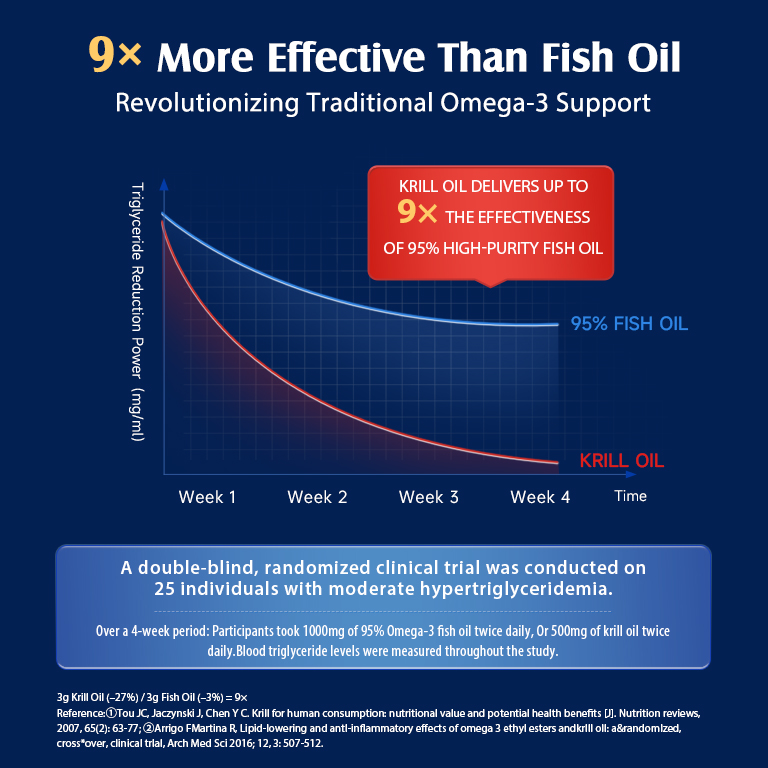
If you have high triglycerides, you might need more. Taking over 2 grams per day could help lower them.
You can get omega-3s from food or supplements. Fatty fish like salmon are a great source. If you use supplements, check the dosage carefully.
Be careful not to take too much. The FDA says up to 5,000 mg per day is safe. However high doses can increase bleeding risk.
Talk to your doctor about the right amount for you. They can help you decide based on your health and any medications you take.
Remember, balance is key. Omega-3s are important, but they’re just one part of a healthy diet.