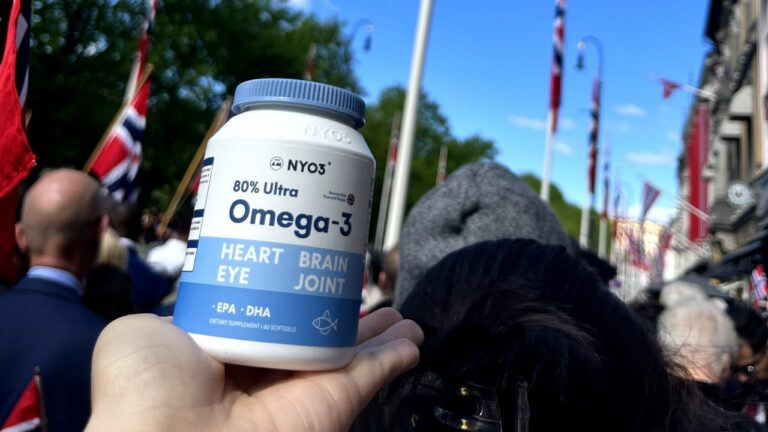
Krill Oil vs Cod Liver Oil: The Ultimate Showdown You Need to See!
Krill oil and cod liver oil are popular supplements for boosting omega-3 intake. Both come from marine sources but have key differences. Krill oil is made from tiny Antarctic crustaceans, while cod liver oil comes from codfish livers.
Krill oil is more easily absorbed by your body than cod liver oil, making it potentially more effective. Krill oil also contains a powerful antioxidant called astaxanthin. Cod liver oil, on the other hand, is rich in vitamins A and D.
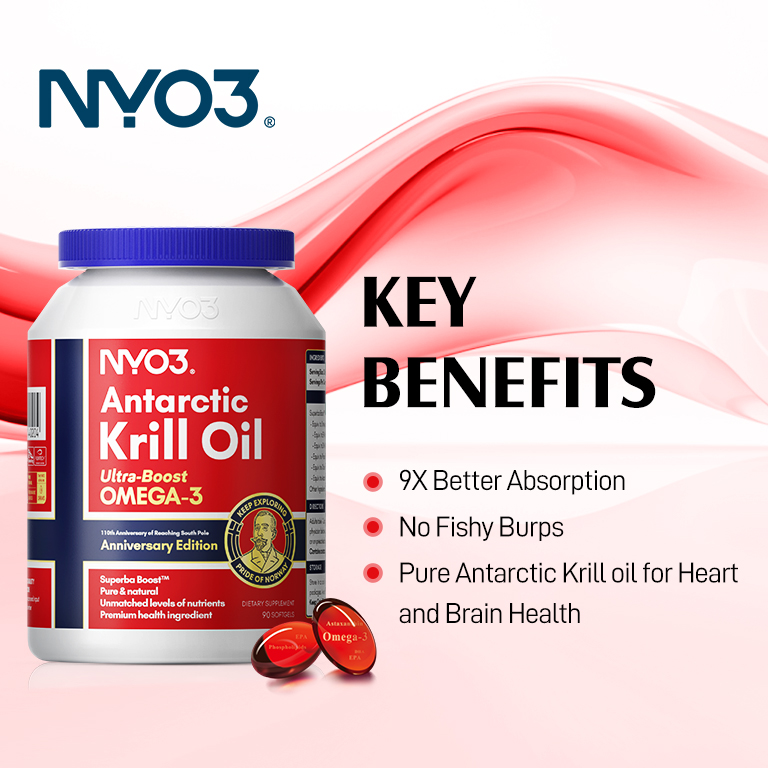

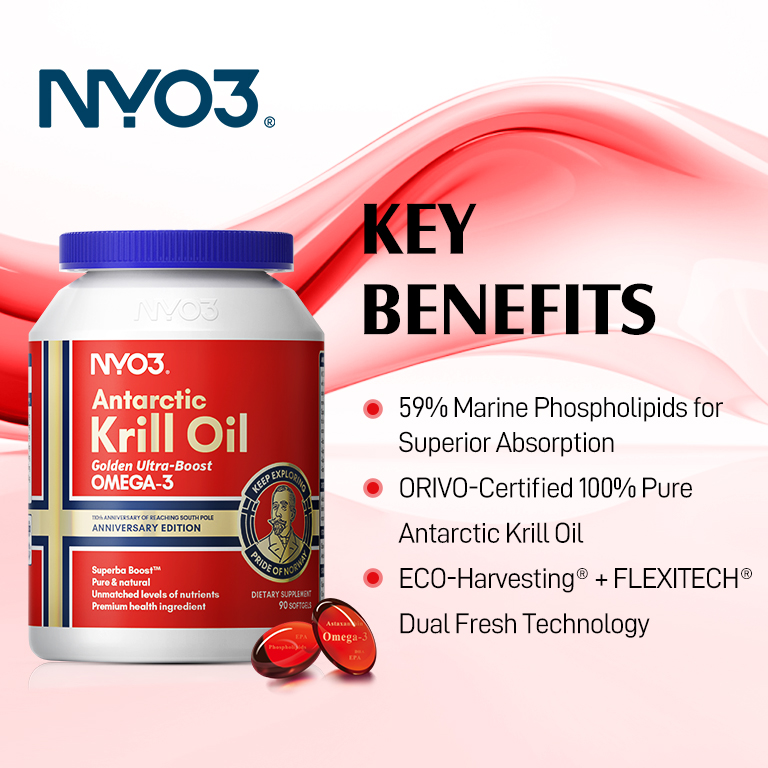

When choosing between these oils, think about your specific health needs. If you want better omega-3 absorption, krill oil might be your best bet. But if you’re looking for extra vitamins, cod liver oil could be a good choice. Both can support heart and brain health, so either way, you’re making a smart move for your wellness.
Understanding Krill Oil
Krill oil is a popular omega-3 supplement with unique properties. It offers several health benefits and contains important nutrients that set it apart from other marine oils.
What Is Krill Oil?
Krill oil comes from tiny Antarctic krill, small crustaceans found in cold ocean waters. These shrimp-like creatures are a vital part of the marine food chain. Krill oil is rich in omega-3 fatty acids, particularly EPA and DHA.
Unlike other fish oils, krill oil’s omega-3s are bound to phospholipids. This makes them easier for your body to absorb. Krill oil also contains astaxanthin, a powerful antioxidant that gives it a reddish color.
How Is Krill Oil Extracted?
The extraction of krill oil involves several steps:
- Harvesting krill from Antarctic waters
- Quick freezing to preserve freshness
- Transporting to processing facilities
- Extracting oil using specialized techniques
Manufacturers use methods like cold pressing or supercritical CO2 extraction to get the oil. These techniques help preserve the oil’s nutritional value and prevent oxidation.
Key Nutritional Components of Krill Oil
Krill oil contains several important nutrients:
- Omega-3 fatty acids (EPA and DHA)
- Phospholipids
- Astaxanthin
- Choline
The omega-3s in krill oil are attached to phospholipids, making them more bioavailable than those in fish oil. This means your body can use them more efficiently.
Astaxanthin is a strong antioxidant that protects the oil from oxidation. It may also offer additional health benefits. Choline is important for brain health and liver function.
Understanding Cod Liver Oil
Cod liver oil is a popular supplement known for its high omega-3 content and fat-soluble vitamins. It offers many health benefits and has been used for centuries.
What Is Cod Liver Oil?
Cod liver oil is fish oil extracted from cod livers. It’s rich in omega-3 fatty acids, particularly EPA and DHA. These nutrients support heart and brain health.
Cod liver oil also contains vitamins A and D. Vitamin A helps maintain healthy vision and immune function. Vitamin D is crucial for bone health and calcium absorption.
You can find cod liver oil in liquid or capsule form. Many people take it as a daily supplement to boost their omega-3 and vitamin intake.
How Is Cod Liver Oil Sourced and Processed?
Cod liver oil comes from the livers of Atlantic cod or Pacific cod. The fishing industry catches these fish in cold, deep ocean waters.
Here’s a simple breakdown of the process:
- Fishermen catch and clean the cod
- They remove the livers
- Processors extract the oil through heat or fermentation
- The oil is purified and refined
Modern methods use molecular distillation to remove contaminants. This process ensures a pure, high-quality product.
Some brands use a cold-pressing technique to preserve more nutrients. This method involves minimal heat and chemical processing.
Key Nutritional Components of Cod Liver Oil
Cod liver oil is packed with essential nutrients. Its main components are:
- Omega-3 fatty acids (EPA and DHA)
- Vitamin A
- Vitamin D
The omega-3s in cod liver oil are bound to triglycerides. Your body needs to break these down before absorbing them.
A typical serving of cod liver oil (1 teaspoon) contains:
| Nutrient | Amount |
|---|---|
| Omega-3s | 1 g |
| Vitamin A | 1350 IU |
| Vitamin D | 135 IU |
These nutrients support various bodily functions. They help reduce inflammation, boost brain health, and strengthen bones.
Cod liver oil also contains small amounts of vitamin E and other antioxidants. These compounds protect your cells from damage.
Nutritional Comparison: Krill Oil vs Cod Liver Oil
Krill oil and cod liver oil offer unique nutritional profiles. Their key differences lie in omega-3 content, vitamin levels, and antioxidant properties.
Omega-3 Content: EPA and DHA Levels
Krill oil and cod liver oil both contain important omega-3 fatty acids but in different amounts. Krill oil provides more omega-3s per tablespoon than cod liver oil.
Krill oil contains:
- 3.50 grams of omega-3 per tablespoon
- Higher levels of EPA (eicosapentaenoic acid)
- Lower levels of DHA (docosahexaenoic acid)
Cod liver oil contains:
- 0.84 grams of omega-3 per tablespoon
- Lower levels of EPA
- Higher levels of DHA
The omega-3s in krill oil are in phospholipid form, which may be easier for your body to absorb.
Vitamin Content: A, D, and E
Cod liver oil stands out for its vitamin content. It’s an excellent source of fat-soluble vitamins A and D.
Cod liver oil’s vitamin content:
- High in vitamin A: Supports immune health, vision, and skin
- Rich in vitamin D: Crucial for bone health, immune function, and mood
Krill oil contains some vitamin E, which acts as an antioxidant. However, its vitamin A and D content is much lower compared to cod liver oil.
Antioxidants: Astaxanthin in Krill Oil vs. Cod Liver Oil
Krill oil has a unique advantage in its antioxidant content. It contains astaxanthin, a powerful antioxidant not found in cod liver oil.
Astaxanthin benefits:
- Protects omega-3s from oxidation
- It may have anti-inflammatory properties
- Supports eye and skin health
Cod liver oil lacks astaxanthin but contains some vitamin E, which also acts as an antioxidant.
Other Fatty Acids and Nutrients
Both oils contain additional fatty acids and nutrients that contribute to their health benefits.
Krill oil:
- Contains phospholipids, which may improve omega-3 absorption
- Has a small amount of choline, which is important for brain health
Cod liver oil:
- Contains more vitamins A and D than krill oil
- May have higher levels of some omega-7 fatty acids
The choice between krill oil and cod liver oil depends on your specific nutritional needs. Krill oil offers more omega-3s and astaxanthin, while cod liver oil provides higher levels of vitamins A and D.
Health Benefits: Head-to-Head
Krill oil and cod liver oil offer unique health benefits. Both provide omega-3 fatty acids, but their effects on different aspects of health can vary.

Heart Health
Krill oil and cod liver oil support heart health, but in different ways. Krill oil may be more effective at lowering triglyceride levels. It can help reduce bad cholesterol and increase good cholesterol.
Cod liver oil contains vitamins A and D, which support heart function. It may help lower blood pressure and reduce the risk of heart disease.
Both oils can improve your overall cardiovascular health. They may decrease inflammation in blood vessels and help prevent blood clots.
Brain Function and Cognitive Support
Krill oil’s omega-3s are linked to phospholipids, making them easier for your brain to use. This can lead to improved memory and focus.
Cod liver oil’s vitamin D supports brain health and may help prevent cognitive decline. Its omega-3s can also boost brain function and mood.
Both oils may reduce the risk of depression and anxiety. They support overall brain health and can improve your mental well-being.
Joint Health and Inflammation
Krill oil contains astaxanthin, a powerful antioxidant. This compound helps reduce inflammation in your joints and muscles.
Cod liver oil’s vitamin D supports bone health and can help prevent conditions like osteoporosis. Its omega-3s also have anti-inflammatory effects.
Both oils can ease joint pain and stiffness. They may be helpful for people with arthritis or other inflammatory conditions.
Eye Health
Krill oil’s astaxanthin benefits eye health. It can help protect your eyes from UV damage and reduce eye strain.
Cod liver oil’s vitamin A is crucial for good vision. It helps prevent night blindness and supports overall eye function.
Both oils contain omega-3s that support retinal health. They may help prevent age-related eye conditions like macular degeneration.
Skin Health
Krill oil’s antioxidants can help protect your skin from sun damage. It may also reduce signs of aging and improve skin hydration.
Cod liver oil’s vitamins A and D support skin cell renewal. This can lead to clearer, healthier-looking skin.
Both oils can help manage skin conditions like eczema and psoriasis. Their anti-inflammatory properties may reduce redness and irritation.
Bioavailability and Absorption
Krill oil and cod liver oil differ in how well the body absorbs their omega-3 fatty acids. The structure of these fats affects how easily they enter your cells and provide benefits.
Krill Oil’s Phospholipid Omega-3 Structure
Krill oil contains omega-3s attached to phospholipids. This structure mimics the fats in your cell membranes. Your body recognizes these phospholipids easily.
As a result, krill oil omega-3s can enter your cells more directly. This may lead to better absorption and use by your body.
Phospholipids also help mix the oil with water. This makes krill oil easier for your digestive system to process.
Cod Liver Oil’s Triglyceride Omega-3 Structure
Cod liver oil has its omega-3s in a triglyceride form. This is how most fats appear in food.
Your body needs to break down these triglycerides before absorbing the omega-3s. This extra step can slow down the process.
However, triglycerides are still a natural form of fat. Your digestive system knows how to handle them efficiently.
What Science Says About Absorption Efficiency
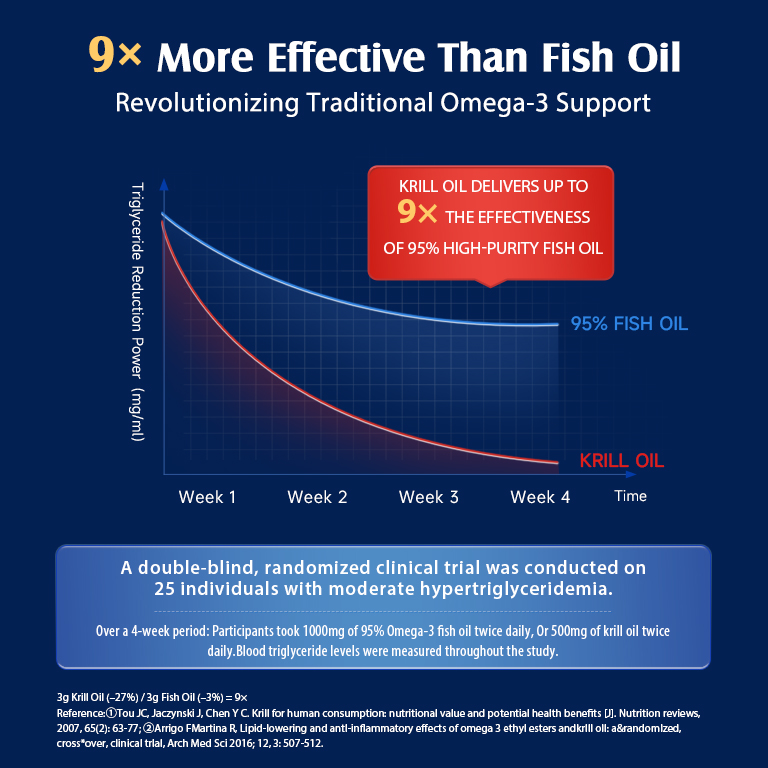
Studies show that krill oil may have higher bioavailability than cod liver oil. This means you might absorb more omega-3s from a smaller amount of krill oil.
Some research suggests krill oil omega-3s reach your bloodstream faster. They may also stay in your body longer.
But cod liver oil is still well-absorbed. You can get similar benefits with a slightly higher dose.
The choice between krill and cod liver oil often depends on personal factors. Consider your budget, dietary needs, and how your body responds to each type.
Sustainability and Environmental Impact
Choosing between krill oil and cod liver oil involves considering their environmental impacts. Both have different harvesting practices and sustainability concerns.

Harvesting Practices for Krill Oil
Krill oil comes from tiny Antarctic crustaceans. Fishing boats use special nets to catch krill. The krill population is abundant, but concerns exist about overfishing.
Some companies use eco-friendly methods to reduce harm to other sea life. They may use GPS tracking to avoid protected areas. Strict quotas help prevent overharvesting.
Krill are a key part of the Antarctic food chain. Their harvesting can affect whales, seals, and penguins that feed on them.
Harvesting Practices for Cod Liver Oil
Cod liver oil comes from Atlantic cod fish. Fishing methods include trawling and longlines. These can harm the seabed and catch unwanted species.
Cod populations have faced overfishing in the past. Many areas now have strict fishing quotas to help cod stocks recover.
Some companies use more sustainable fishing practices. They may use line-caught methods or fish in certified sustainable areas.
Which Is More Eco-Friendly?
Both krill oil and cod liver oil have environmental pros and cons. Krill oil may have a slight edge in sustainability.
Krill reproduce quickly and are lower on the food chain. This makes their populations more resilient to fishing. Sustainable krill oil is often available from certified sources.
Cod liver oil production can be more damaging to ocean ecosystems. However, improvements in fishing practices are helping.
Plant-based omega-3 sources like algae oil are becoming popular. These can be more eco-friendly as they don’t involve fishing. They also cause less pollution than some fishing methods.
Taste, Smell, and User Experience
Krill oil and cod liver oil differ in their taste, smell, and how people take them. These factors can affect which one you prefer.

Krill Oil: Capsule Taste and Smell
Krill oil usually comes in capsules. These capsules are small and easy to swallow. They have a milder taste and smell compared to cod liver oil. This makes them more pleasant for many people.
When you swallow krill oil capsules, you might notice:
- Little to no fishy taste
- Minimal aftertaste
- No strong odor
Some people report a slight seafood flavor if they burp after taking krill oil. But this is often less intense than with other fish oils.
Cod Liver Oil: Traditional Liquid and Capsule Options
You can find cod liver oil in both liquid and capsule forms. The liquid has a strong fishy taste and smell. Many find this unpleasant.
Liquid cod liver oil:
- It has a strong fish flavor
- It can leave an aftertaste
- It may cause fishy burps
Capsules help mask the taste, but some people still notice it. Flavored versions exist to make it more palatable. Lemon is a common added flavor.
Which Is Easier to Consume?
For most people, krill oil is easier to take. Its milder taste and smell make it more user-friendly. The small capsule size also helps.
Cod liver oil can be harder to consume, especially in liquid form. But some prefer it because:
- It’s often cheaper
- You can mix the liquid into foods or drinks
- Some enjoy the traditional aspect
Your choice might depend on your sensitivity to fishy flavors. If you don’t mind the taste, cod liver oil could work for you. If you’re sensitive to strong flavors, krill oil might be better.
Side Effects and Precautions
Both krill oil and cod liver oil can cause unwanted effects in some people. It’s important to know the risks before taking these supplements. Some groups should be extra careful or avoid them completely.
Potential Side Effects of Krill Oil
Krill oil may cause mild stomach issues. You might feel nausea, diarrhea, or stomach upset. A fishy taste in your mouth or bad breath can also happen.
Some people get allergic reactions. If you’re allergic to shellfish, don’t take krill oil. It comes from tiny sea creatures.
Krill oil can thin your blood. This might make you bleed more easily. Tell your doctor if you take blood thinners.
Potential Side Effects of Cod Liver Oil
Cod liver oil can also cause stomach problems. You might get heartburn or feel sick.
Too much vitamin A from cod liver oil can be harmful. It may lead to headaches, skin issues, or bone pain.
Like krill oil, cod liver oil can thin your blood. Be careful if you take blood thinners or aspirin.
Fish oils can go bad. Rancid oil tastes awful and might make you sick. Check the expiration date and store it properly.
Who Should Avoid Each?
Pregnant women should be careful with both oils. Too much vitamin A from cod liver oil can harm the baby. Krill oil’s effects on pregnancy aren’t well known.
People with bleeding disorders should avoid both. The oils can increase bleeding risk.
If you have seafood allergies, stay away from krill and cod liver oil. The risk of a reaction is high.
Those with diabetes should talk to a doctor. Fish oils can affect blood sugar levels.
Check with your doctor if you take any medicines. Both oils can interact with some drugs.
Cost and Accessibility
Krill oil and cod liver oil differ in price and availability. These factors can impact your choice when considering which supplement to use.
Price Points of Krill Oil vs Cod Liver Oil
Krill oil is typically more expensive than cod liver oil. A bottle of krill oil capsules often costs 2-3 times more than a similar quantity of cod liver oil. For example, cod liver oil softgels can cost around $25 for 250 counts, while krill oil may be priced higher for fewer capsules.
The price difference stems from:
- Harvesting methods: Krill are harder to catch and process
- Sustainability practices: Krill fishing is more regulated
- Concentration: Krill oil is often more concentrated
Despite the higher cost, some people prefer krill oil for its potential benefits and easier absorption.
Availability Across Different Markets
Cod liver oil is more widely available than krill oil. You can find cod liver oil in:
- Most pharmacies
- Health food stores
- Supermarkets
- Online retailers
Krill oil is less common but becoming more accessible. You’ll likely find it in:
- Specialty health stores
- Some pharmacies
- Online marketplaces
In rural areas, you might have to order krill oil online. Cod liver oil is usually easier to find locally. When shopping, compare brands and read labels to ensure you’re getting a quality product, regardless of which oil you choose.
Which Is Better for You?
Krill oil and cod liver oil have unique benefits. Your health needs and goals will determine which is better for you.
Choosing Based on Your Health Goals
If you want to boost heart health, krill oil may be the better choice. It has more bioavailable omega-3s that your body can use easily. This helps lower bad cholesterol and reduce inflammation.
Both oils can help with brain function. Krill oil’s omega-3s cross the blood-brain barrier more easily. Cod liver oil has vitamin A, which supports eye health and immune function.
Bone health? Cod liver oil wins here. It contains vitamin D, which is crucial for calcium absorption and strong bones.
Factors to Consider: Age, Lifestyle, and Health Needs
Your age matters when picking between these oils. Older adults may benefit more from cod liver oil’s vitamin D for bone health.
If you’re pregnant, cod liver oil’s vitamin A can be risky in high doses. Krill oil is often a safer choice.
For athletes, krill oil’s anti-inflammatory properties may aid recovery. Its antioxidants can also help fight exercise-induced oxidative stress.
If you have allergies to shellfish, avoid krill oil and opt for cod liver oil instead.
When to Choose Both as a Complementary Option
Sometimes, using both oils can give you the best of both worlds. Krill oil provides easily absorbed omega-3s and antioxidants. Cod liver oil offers vitamins A and D.
You might take krill oil daily for heart and brain health. Then add cod liver oil in the winter months for extra vitamin D.
Always check with your doctor before combining supplements. They can help you find the right balance based on your specific health needs.
Remember to start with low doses and increase slowly to avoid side effects.
Consumer Tips
Choosing high-quality krill oil and cod liver oil supplements requires careful consideration. Proper storage is also key to maintaining their potency and freshness.
How to Choose High-Quality Krill Oil
Look for krill oil certified by the Marine Stewardship Council for sustainability. Check the label for astaxanthin content, a powerful antioxidant unique to krill oil. Higher levels indicate better quality.
Opt for products with at least 200 mg of EPA and DHA per serving. These omega-3 fatty acids are the main health-promoting components.
Avoid krill oil with added fillers or artificial preservatives. Pure krill oil should have a short, simple ingredient list.
Consider the form of the supplement. Krill oil in phospholipid form is more easily absorbed by your body than triglyceride form.
How to Choose High-Quality Cod Liver Oil
Select cod liver oil from reputable brands that use sustainable fishing practices. Look for certifications from organizations like Friends of the Sea.
Check the vitamin A and D content. High-quality cod liver oil is rich in these vitamins, which offer additional health benefits.
Ensure the product lists the EPA and DHA content. Aim for at least 500 mg combined per serving.
Choose cod liver oil that’s been purified to remove contaminants like mercury and PCBs. Look for third-party testing results.
Prefer fermented cod liver oil if possible. This traditional processing method may preserve more nutrients.
Storage and Shelf-Life Considerations
Store both krill and cod liver oil in a cool, dark place. Refrigeration can extend shelf life, especially after opening.
Check the expiration date before purchasing. Most oils last 1-2 years unopened, but only a few months once opened.
Look for dark glass bottles or opaque containers. These protect the oil from light, which can cause oxidation.
Avoid exposure to heat and air. Always close the bottle tightly after use to prevent rancidity.
If your supplement smells strongly fishy or rotten, it may have gone bad. Discard it and replace it with a fresh bottle.
Frequently Asked Questions
What are the risks associated with taking krill oil?
Krill oil is generally safe for most people. Some may experience mild side effects like fishy burps or upset stomachs. People with shellfish allergies should avoid krill oil. Those on blood thinners should talk to their doctor before taking it.
Is it safe to combine cod liver oil with krill oil supplementation?
You can take both, but it’s best to talk to your doctor first. Taking them together may increase your omega-3 intake too much. This could raise your risk of bleeding. Your doctor can help you find the right balance.
How does krill oil compare to fish oil in terms of health benefits?
Krill oil and fish oil both provide omega-3s. Krill oil may be easier for your body to absorb. It also contains astaxanthin, an antioxidant. Fish oil is often less expensive and has been studied more.
What are the advantages of choosing krill oil over cod liver oil?
Krill oil has some unique benefits. It contains phospholipids, which may help your body absorb omega-3s better. Krill oil also has astaxanthin, which cod liver oil doesn’t. Some people find krill oil causes less fishy aftertaste.
In what circumstances should krill oil be avoided?
You should avoid krill oil if you have a shellfish allergy. It’s also not recommended before surgery due to its blood-thinning effects. Pregnant or breastfeeding women should talk to their doctor before taking krill oil.
Can krill oil help in reducing arterial plaque?
Research on krill oil and arterial plaque is limited. Some studies suggest omega-3s may help reduce plaque buildup. However, more research is needed to confirm krill oil’s specific effects on arterial health.
Conclusion
Krill oil and cod liver oil both offer important health benefits. They provide omega-3 fatty acids that support your heart, brain, and joints.
Krill oil may be easier for your body to absorb. Its omega-3s are attached to phospholipids, which your cells can use quickly.
Cod liver oil contains extra vitamins A and D. These support your immune system and bone health.
Your choice depends on your specific needs. If you want omega-3s and extra vitamins, cod liver oil could be best. For just omega-3s, krill oil might work better.
Talk to your doctor before adding any new supplement. They can help you decide which oil fits your health goals best.
Remember, both oils come from the ocean. Pick a product from a trusted brand that uses sustainable fishing practices.