
Omega-7 Fatty Acids: Sources, Benefits, and More…
When you hear about healthy fats, omega-3s and omega-6s often steal the spotlight. But there’s another fatty acid that deserves your attention: omega-7. These monounsaturated fats can be found in certain foods and may offer several health benefits that you might not know about.
Omega-7 fatty acids may help improve heart health, reduce inflammation, and enhance insulin sensitivity, making them valuable additions to your diet. While not essential (meaning your body doesn’t need to get them from food), these fatty acids still serve important functions in your body. They might help increase your good HDL cholesterol while lowering the harmful LDL type, according to recent studies.





You can find omega-7s in several food sources. Fatty fish like salmon, herring, and mackerel are excellent options that provide these beneficial fats. Other sources include sea buckthorn berries and certain nuts. Adding these foods to your meals could help you address common issues like digestive problems and support better metabolic health.
What Are Omega-7 Fatty Acids?
Omega-7 fatty acids are a distinct class of unsaturated fats found in certain foods that may offer several health benefits. These lesser-known fatty acids are gaining attention for their potential role in supporting heart health, reducing inflammation, and improving insulin sensitivity.

Types of Omega-7 Fatty Acids
The most common omega-7 fatty acid is palmitoleic acid, which is found in sea buckthorn berries, macadamia nuts, and some fish. This particular omega-7 has been studied for its potential to improve cholesterol levels and reduce inflammation.
Vaccenic acid is another important omega-7 fatty acid, primarily found in dairy products and ruminant animal fats. Your body can convert some vaccenic acid into conjugated linoleic acid (CLA), which may have health benefits.
Rumenic acid is an omega-7 that you can obtain from dairy sources. It belongs to the CLA family and has been studied for potential health effects.
Paullinic acid is a plant-based omega-7 fatty acid that is less common but still contributes to the omega-7 family.
Chemical Structure and Classification
Omega-7 fatty acids are monounsaturated fats with a specific molecular structure. The name “omega-7” refers to the position of the double bond, which is located at the 7th carbon atom from the omega (end) of the carbon chain.
This structure gives omega-7s their unique properties and distinguishes them from other fatty acids. Omega-7 fatty acids are classified as non-essential fatty acids, meaning your body can produce them naturally, and you don’t need to obtain them directly from your diet.
Most omega-7s contain 16 or 18 carbon atoms in their chain. Palmitoleic acid has 16 carbons (C16:1n7), while vaccenic acid contains 18 carbon atoms (C18:1n7).
Difference Between Omega-7 and Other Omega Fatty Acids
Omega-7 fatty acids differ from the more well-known omega-3, omega-6, and omega-9 fatty acids primarily in their double bond position. While omega-3s have their first double bond at the third carbon position from the end, omega-7s have theirs at the seventh position.
Unlike omega-3s and some omega-6s, which are essential fatty acids that must be obtained from the diet, omega-7s are non-essential. Your body can produce them, though you can also get them from food sources.
Omega-7s have different biological effects than other omega fatty acids. While omega-3s are known for their anti-inflammatory properties and brain health benefits, omega-7s appear to have unique effects on metabolic health, particularly related to insulin sensitivity and fat metabolism.
Omega-7s are less abundant in the typical diet compared to omega-3, omega-6, and omega-9 fatty acids.
Natural Sources of Omega-7 Fatty Acids
Omega-7 fatty acids can be found in several plant and animal foods that you can easily incorporate into your diet. These natural sources vary in their omega-7 content and offer additional health benefits beyond their fatty acid profile.
Sea Buckthorn Oil and Fruit
Sea buckthorn is the richest natural source of omega-7 fatty acids, containing approximately 30-40% of the fatty acid palmitoleic acid. The bright orange berries grow on thorny shrubs native to Europe and Asia.
You can consume sea buckthorn in several forms:
- As berries (fresh or dried)
- As juice
- As oil (extracted from the seeds and pulp)
- In supplements
The oil is particularly potent, with the highest concentration of omega-7. When shopping for sea buckthorn oil, look for cold-pressed varieties to ensure maximum nutrient retention.
The taste is quite tart and acidic, so many people prefer taking it as a supplement rather than consuming it directly. A typical serving is 1-2 teaspoons of the oil daily.
Macadamia Nuts and Oil
Macadamia nuts are a delicious and convenient source of omega-7. They contain approximately 17% omega-7 fatty acids, making them one of the most accessible dietary sources.
Key benefits of macadamia nuts include:
- Rich, buttery taste
- Long shelf life
- Versatile culinary uses
- High in beneficial monounsaturated fats
Macadamia nut oil is also an excellent source of omega-7. The oil has a light, neutral flavor and high smoke point (410°F), making it suitable for cooking at higher temperatures.
A single serving (about 10-12 nuts or 1 ounce) provides a good amount of omega-7 along with vitamin B1, magnesium, and manganese. You can easily incorporate macadamias into your diet as a snack, in baking, or as a crunchy salad topping.
Avocados and Avocado Oil
Avocados contain modest amounts of omega-7 fatty acids, primarily in the form of palmitoleic acid. While they’re not as concentrated a source as sea buckthorn or macadamia nuts, avocados offer many additional health benefits.
Nutritional highlights of avocados include:
- Healthy fats: 60% monounsaturated fats
- Fiber: 7g per average avocado
- Potassium: More than bananas
- Vitamins: E, K, and several B vitamins
Avocado oil, extracted from the pulp of the fruit, retains the fatty acid profile of whole avocados. The oil has a mild flavor and high smoke point, making it versatile for cooking.
You can easily incorporate avocados into your diet through guacamole, smoothies, salads, or simply eaten with a spoon with a squeeze of lemon juice and salt.
Marine and Animal Sources
Several marine and animal sources provide omega-7 fatty acids, with fatty fish being particularly noteworthy.
Top marine sources include:
- Salmon: Wild-caught salmon contains approximately 4-5% omega-7 fatty acids
- Anchovy: Small but potent source
- Sardines: An Affordable and Sustainable Option
- Fish oils: Often contain omega-7 along with omega-3s
Animal-based sources also contain some omega-7, including:
- Grass-fed beef (in small amounts)
- Full-fat dairy products
- Eggs (particularly from pasture-raised chickens)
The benefit of marine sources is that they provide omega-7 alongside heart-healthy omega-3 fatty acids like EPA and DHA. For optimal health benefits, aim to consume fatty fish at least twice per week.
Comparison with Other Omega Fatty Acids
Omega fatty acids differ in their chemical structure, food sources, and health benefits. Understanding these differences can help you choose the right balance of these important nutrients for your diet.
Omega-3 Fatty Acids
Omega-3s are essential fatty acids, meaning your body can’t produce them on its own. They must be obtained through your diet or supplements.
Unlike omega-7, omega-3s have their first double bond at the third carbon position from the omega end of the fatty acid chain. They are primarily found in fatty fish, flaxseeds, and walnuts.
Omega-3s are well-known for their powerful health benefits:
- Heart health: They reduce triglycerides, lower blood pressure, and improve cardiovascular function
- Brain function: Supports cognitive health and development
- Anti-inflammatory: Helps reduce inflammation throughout the body
Omega-3s are particularly important during hormonal changes like perimenopause or menopause. Your body can convert certain omega-3s into other forms using specialized enzymes.
Omega-6 Fatty Acids
Omega-6s are also essential polyunsaturated fats that your body needs but cannot produce. They have their first double bond at the sixth carbon position.
Common sources include:
- Vegetable oils (corn, soybean)
- Nuts and seeds
- Meat and dairy
Omega-6s play crucial roles in brain function and normal growth and development. However, the typical Western diet often contains too much omega-6 relative to omega-3.
This imbalance can promote inflammation when consumed in excess. The ideal ratio of omega-6 to omega-3 is thought to be around 4:1, but many people consume ratios closer to 15:1 or higher.
Unlike omega-7, which is monounsaturated, omega-6 fatty acids are polyunsaturated with multiple double bonds in their structure.
Omega-9 Fatty Acids
Omega-9s are non-essential monounsaturated fats that your body can produce on its own when other fatty acids are present. They have their first double bond at the ninth carbon position.
The most common omega-9 is oleic acid, found abundantly in:
- Olive oil
- Avocados
- Nuts (especially macadamia)
Like omega-7, omega-9s are monounsaturated fats and your body can synthesize them, unlike essential omega-3s and omega-6s.
Omega-9s help reduce LDL (“bad”) cholesterol while maintaining HDL (“good”) cholesterol levels. They also support immune function and may help with insulin sensitivity.
Both omega-7 and omega-9 share the characteristic of being produced in your body, but they have different carbon chain structures and are found in different food sources.
Health Benefits of Omega-7 Fatty Acids
Omega-7 fatty acids offer several health advantages that can enhance your overall well-being. These beneficial fats support multiple body systems and provide protective effects that may help prevent various health issues.

Cardiovascular Health
Omega-7 fatty acids can significantly improve your heart health by supporting healthy cholesterol levels. They work to lower LDL (bad) cholesterol while raising HDL (good) cholesterol levels.
Heart health benefits of omega-7 include reducing strain on your cardiovascular system. Your heart doesn’t need to work as hard when omega-7 is present in adequate amounts.
Omega-7 also helps maintain healthy blood vessels by reducing inflammation in arterial walls. This may decrease the risk of plaque buildup that can lead to serious cardiovascular problems.
Regular consumption of omega-7 fatty acids may help maintain healthy blood pressure levels. This protective effect supports overall cardiovascular function and reduces strain on your heart.
Metabolic Support
Omega-7 fatty acids play an important role in maintaining proper metabolic function. Studies have found that these fatty acids help promote proper insulin sensitivity, allowing your body to metabolize glucose more effectively.
Better insulin sensitivity means your cells can utilize blood sugar more efficiently. This may help prevent energy crashes and reduce cravings throughout the day.
Your digestive system also benefits from omega-7. These fatty acids may improve digestive health and help relieve common gastrointestinal issues like:
- Gastric ulcers
- Heartburn
- Acid reflux
Omega-7 supports liver function and may help reduce fat accumulation in liver cells. This is particularly important for maintaining metabolic balance and preventing fatty liver disease.
Anti-Inflammatory Properties
Omega-7 fatty acids can help lower inflammation throughout your body. This anti-inflammatory effect may ease joint discomfort and stiffness.
Chronic inflammation is linked to numerous health problems, including arthritis, diabetes, and heart disease. By reducing inflammatory responses, omega-7 can provide protective effects against these chronic conditions.
Research indicates that omega-7 has anti-inflammatory properties and promotes collagen regeneration. This dual action helps repair tissues and reduce inflammatory damage.
Your immune system functions better with reduced inflammation. Omega-7 helps balance immune responses, potentially preventing overactive immune reactions that can damage healthy tissues.
Skin and Eye Health
Omega-7 fatty acids provide substantial benefits for skin health. They help moisturize skin from the inside out, reducing dryness and improving elasticity.
These fatty acids stimulate collagen production, which helps maintain skin firmness and may reduce the appearance of fine lines. Your skin’s barrier function also improves with adequate omega-7 intake.
For eye health, omega-7 fatty acids help address dry eye symptoms by supporting tear film stability. This reduces irritation and improves comfort for those suffering from dry eyes.
The moisturizing properties of omega-7 extend to mucous membranes throughout your body. This includes the eyes, mouth, and other sensitive tissues that require proper hydration to function optimally.
Omega-7 Fatty Acids and Cholesterol
Omega-7 fatty acids play a significant role in managing cholesterol levels in your body. These beneficial fats can influence multiple aspects of your lipid profile, potentially supporting better cardiovascular health.
HDL and LDL Cholesterol
Omega-7 fatty acids may help improve your cholesterol balance in meaningful ways. Research suggests that palmitoleic acid, a common omega-7, can increase HDL and lower LDL cholesterol levels. HDL (high-density lipoprotein) is often called “good” cholesterol because it helps remove other forms of cholesterol from your bloodstream.
When you consume omega-7s regularly, you might experience an increase in these protective HDL particles. At the same time, LDL (low-density lipoprotein) or “bad” cholesterol levels tend to decrease.
This dual effect creates a more favorable cholesterol ratio, which doctors consider important for cardiovascular health. The mechanism appears to involve omega-7’s ability to influence how your liver processes fats and cholesterol.
Triglyceride Levels
Omega-7 fatty acids can significantly impact your triglyceride levels. Triglycerides are a type of fat found in your blood that stores excess energy from your diet.
High triglyceride levels are associated with increased risk of heart disease and metabolic syndrome. Supplementation with omega-7 has shown promising results in reducing these levels.
The effect appears particularly strong when combined with proper insulin sensitivity, which omega-7s also support. Studies indicate that these fatty acids help promote proper insulin sensitivity, allowing your body to metabolize glucose more effectively.
This metabolic improvement indirectly helps manage triglyceride levels by reducing the amount of excess sugar converted to fat in your liver.
Impact on Cardiovascular Disease
The cholesterol-balancing effects of omega-7 fatty acids may translate to reduced cardiovascular disease risk. By improving your lipid profile through higher HDL, lower LDL, and reduced triglycerides, these fatty acids address several major risk factors simultaneously.
Omega-7s also possess anti-inflammatory properties that further protect your cardiovascular system. Chronic inflammation contributes significantly to atherosclerosis—the buildup of plaque in artery walls.
Food sources rich in omega-7 include:
- Salmon
- Mackerel
- Herring
These fatty fish have been associated with slower cognitive decline and reduced inflammation throughout the body.
The combined benefits of improved cholesterol management and reduced inflammation make omega-7 fatty acids a promising nutritional component for maintaining heart health.
Omega-7 Fatty Acids and Metabolic Health
Omega-7 fatty acids play an important role in managing metabolic health through their influence on insulin function and blood sugar regulation. Research suggests these unique fatty acids may offer significant benefits for people with metabolic concerns.
Type 2 Diabetes and Blood Sugar
Omega-7 fatty acids have shown promising effects on blood sugar management. Studies from the Multi-Ethnic Study of Atherosclerosis have examined how plasma omega-7 levels relate to diabetes development.
Different forms of omega-7s may have varying impacts. While palmitoleic acid and vaccenic acid are both omega-7 fatty acids, they appear to affect blood sugar differently.
Research indicates that omega-7s may help your body properly metabolize glucose. This could be particularly beneficial if you’re concerned about managing blood sugar levels.
For those at risk of developing type 2 diabetes, increasing omega-7 intake might be worth considering as part of a comprehensive approach to metabolic health.
Insulin Sensitivity and Resistance
Omega-7 fatty acids, particularly palmitoleic acid, have demonstrated the potential to promote proper insulin sensitivity. This allows your body to respond appropriately to insulin signals.
Improved insulin sensitivity helps your cells absorb glucose more effectively, potentially reducing blood sugar spikes. This mechanism is one of the key ways omega-7s support metabolic health.
A comprehensive review analyzing over 40 studies on palmitoleic acid found evidence for its metabolic benefits. The anti-inflammatory properties of omega-7s may also contribute to their positive effects on insulin function.
If you struggle with insulin resistance, incorporating omega-7 fatty acids into your diet might help improve how your body processes glucose and responds to insulin.
Weight Management and Body Composition
Omega-7 fatty acids show promising effects on weight management by influencing metabolism and fat storage in the body. These unique fatty acids help control appetite and boost energy production, making them valuable for those trying to maintain a healthy weight.
Weight Loss Support
Omega-7 fatty acids can be a helpful ally in your weight loss journey. Purified palmitoleic acid (Omega-7) has shown remarkable benefits for weight management beyond just diet and exercise. It works by helping your body regulate metabolism more efficiently.
Omega-7 supports weight loss through several mechanisms:
- Improved fat metabolism – helps your body use stored fat for energy
- Enhanced insulin sensitivity – helps regulate blood sugar levels
- Reduced appetite – may help you feel fuller longer
Research suggests that even small dosages of Omega-7 can boost weight loss efforts. When combined with healthy eating habits, Omega-7 supplementation may help you achieve better results than diet alone.
Effects on Obesity and Weight Gain
Omega-7 fatty acids play a significant role in preventing obesity and unwanted weight gain. They help reduce inflammation in fat tissue, which is often elevated in people with obesity.
Your body’s ability to store and use fat is directly affected by Omega-7. These fatty acids work by:
- Regulating fat cell size – preventing excessive enlargement
- Improving cellular energy production – helping burn calories more efficiently
- Balancing hormones related to hunger and fat storage
For those with diabetes or pre-diabetic symptoms, Omega-7 helps regulate blood sugar levels, making weight management easier. This is particularly important since insulin resistance often contributes to weight gain.
Omega-7 also helps reduce the accumulation of visceral fat—the dangerous fat that surrounds internal organs and increases health risks. This targeted approach to fat reduction makes it valuable for improving overall body composition.
Omega-7 Supplements
Omega-7 supplements provide a concentrated source of this beneficial fatty acid for those who want to support their health beyond diet alone. These supplements come in various forms and from different sources, with quality and safety considerations that are important to understand.
Forms and Sources of Supplements
Most omega-7 supplements are derived from sea buckthorn, which contains the highest natural concentration of omega-7 fatty acids. Sea buckthorn oil is extracted from either the seeds or the pulp of the berries.
Fish oil is another important source of omega-7, particularly from certain cold-water fish. Purified supplements like Provinal offer concentrated palmitoleic acid, the primary omega-7 fatty acid.
Supplement forms include:
- Softgel capsules (most common)
- Liquid oils
- Combined formulations with other omegas
Macadamia nut oil is also used in some supplements, though it contains lower concentrations of omega-7 than sea buckthorn.
Quality, Dosage, and Safety
When choosing an omega-7 supplement, look for products that specify the exact amount of palmitoleic acid. Quality supplements will indicate whether they’re purified to remove palmitic acid, which may counteract some benefits.
Recommended dosages:
- Typical range: 200-500mg daily
- Therapeutic dosages may be higher under medical supervision
You should take omega-7 supplements with meals to improve absorption and reduce the chance of digestive discomfort. As with other fatty acid supplements, refrigeration may help prevent rancidity.
Safety considerations include potential interactions with blood-thinning medications. While omega-7 is generally well-tolerated, you should consult your healthcare provider before starting any new supplement, especially if you have existing health conditions.
Dietary Recommendations and Omega-7 Intake
Understanding how much omega-7 you need in your diet and where to find it can help improve your overall health. These healthy fats offer unique benefits that complement other fatty acids in your diet.
Daily Requirements
Unlike omega-3 fatty acids, there are no official recommended daily allowances for omega-7 fatty acids. This is because omega-7 is considered a non-essential fatty acid, meaning your body can produce it internally.
However, research suggests that increasing your dietary intake of omega-7 may provide health benefits. Most studies showing positive effects have used supplements containing 200-400 mg of purified palmitoleic acid daily.
Natural food sources typically contain lower amounts, so consuming a variety of omega-7-rich foods throughout the week is a practical approach. Your body’s needs may vary based on age, health status, and existing dietary patterns.
Balancing Omega Fatty Acids
A well-rounded approach to fatty acids is crucial for optimal health. Omega-7 fatty acids work best when consumed as part of a balanced intake of other healthy fats.
Fatty Acid Balance:
- Omega-3: Anti-inflammatory, brain health
- Omega-6: Energy production, immune function
- Omega-7: Metabolic support, skin health
- Omega-9: Heart health, insulin sensitivity
Most Western diets contain excessive omega-6 and insufficient omega-3 and omega-7. Aim for a diverse intake of monounsaturated fatty acids (MUFAs), including omega-7 and omega-9, alongside a healthy ratio of omega-3 to omega-6.
Consider your total fat intake as well. Healthy fats should comprise 20-35% of your daily calories, with a good portion coming from various MUFAs.
Incorporating Omega-7 Into Your Diet
Adding omega-7-rich foods to your diet doesn’t require drastic changes. Several common foods contain meaningful amounts of these beneficial fatty acids.
Top Omega-7 Food Sources:
- Sea buckthorn oil (highest concentrated source)
- Macadamia nuts
- Fatty fish (salmon, herring, mackerel)
- Grass-fed dairy products
- Avocados
- Olive oil
Try adding macadamia nuts to your breakfast oatmeal or afternoon snack. Include fatty fish like salmon 2-3 times weekly. Avocados make excellent additions to sandwiches and salads.
For those with specific health concerns or difficulty getting enough through diet alone, purified omega-7 supplements are available. These typically contain concentrated palmitoleic acid without the potentially harmful palmitic acid found in some food sources.
Ongoing Research and Emerging Insights
Scientific interest in omega-7 fatty acids continues to expand as researchers discover new potential health benefits. Recent studies highlight promising roles in metabolic health, cardiovascular function, and inflammatory response regulation.

Potential Roles in Chronic Diseases
Omega-7 fatty acids show significant promise in addressing various chronic conditions. Research indicates these fatty acids may help improve insulin resistance, a key factor in type 2 diabetes development. This relationship varies by ethnicity, suggesting personalized approaches might be necessary.
In cardiovascular health, omega-7s appear to offer protection against atherosclerosis. Animal studies conducted by the NIH have demonstrated that palmitoleic acid (an omega-7) significantly reduced plaque formation in blood vessels.
Your risk factors for metabolic syndrome might also be improved with omega-7 supplementation. Early evidence suggests these fatty acids may help regulate lipid profiles and glucose metabolism, though more human trials are needed.
Recent Scientific Findings
The latest research reveals that omega-7 fatty acids function differently from other fatty acid groups. Unlike omega-3s and omega-6s, which are primarily obtained through diet, your body can produce omega-7s, though dietary sources remain important.
Scientists have identified vaccenic acid and palmitoleic acid as key omega-7 compounds with distinct metabolic effects. These compounds appear to influence gene expression related to fat metabolism and inflammation.
Emerging omics approaches have expanded our understanding of how omega-7s interact with your body’s systems. These advanced research techniques help identify specific cellular mechanisms and pathways affected by these fatty acids.
Recent animal studies suggest omega-7s may influence your gut microbiota, potentially creating another pathway for health benefits. This represents a promising area for future research.
Biomarkers: C-Reactive Protein and CRP Levels
C-reactive protein (CRP) serves as a key biomarker for inflammation in your body. Higher CRP levels typically indicate increased inflammatory processes, which are linked to various chronic diseases.
Preliminary research suggests omega-7 fatty acids may help reduce CRP levels. This anti-inflammatory effect represents one of the most promising aspects of omega-7 research, as inflammation underlies many chronic conditions.
In clinical observations, participants with higher omega-7 intake often show lower CRP measurements compared to control groups. Your inflammatory status, as measured by CRP, might respond positively to omega-7 supplementation.
Key Biomarker Relationships:
- Omega-7 fatty acids → Potential reduction in CRP levels
- Lower CRP levels → Reduced systemic inflammation
- Reduced inflammation → Improved metabolic and cardiovascular outcomes
Further research is needed to fully establish optimal dosing and specific mechanisms behind these effects.
Frequently Asked Questions
What foods are rich in omega-7 fatty acids?
Omega-7 fatty acids can be found in several natural food sources. Sea buckthorn oil is one of the richest sources of omega-7, specifically palmitoleic acid.
Macadamia nuts also contain significant amounts of omega-7 fatty acids. They make a tasty and convenient snack option for increasing your intake.
Some seafood options, like certain fish oils, contain omega-7s. Cold-water fish can provide these beneficial fats as part of a balanced diet.
What are the potential health benefits of consuming omega-7 fatty acids?
Omega-7 fatty acids may help improve heart health by increasing HDL (good) cholesterol while lowering LDL (bad) cholesterol. This can support overall cardiovascular function.
These fatty acids have anti-inflammatory properties that may help reduce inflammation throughout the body. This can benefit various systems and potentially ease inflammatory conditions.
Omega-7s may support digestive health by lining the intestines and protecting them from damage. They might help with common issues like heartburn and acid reflux.
Skin and mucous membrane health can be improved with omega-7 fatty acids. They help moisturize skin from within and may reduce dryness in various tissues.
Can omega-7 fatty acids have any side effects, and if so, what are they?
Most people tolerate omega-7 fatty acids well when consumed in food or supplement form. However, some individuals might experience mild digestive discomfort when starting supplements.
High doses of omega-7 supplements might cause nausea or stomach upset in sensitive individuals. Starting with a lower dose and gradually increasing it can help minimize these effects.
If you’re taking medications, especially blood thinners or cholesterol medications, consult with your healthcare provider before starting omega-7 supplements. Potential interactions should be monitored.
How do omega-7 supplements compare to omega-3 supplements in terms of health benefits?
Omega-3 and omega-7 fatty acids serve different but complementary roles in the body. Omega-3s are essential fatty acids your body cannot produce, while omega-7s are non-essential but still beneficial.
Omega-3s are primarily known for brain health and reducing inflammation, while omega-7s may be particularly effective for metabolic health and cholesterol management. They work through different mechanisms in your body.
Some supplement formulas combine multiple omega fatty acids to provide a broader spectrum of benefits. These might include omega-3, omega-6, omega-7, and omega-9 fatty acids together.
What are the signs of an omega-7 fatty acid deficiency?
Since omega-7 is not an essential fatty acid, there’s no clinical deficiency condition defined for it. Your body can produce small amounts of omega-7 when needed.
However, low levels might contribute to dry skin, brittle nails, or dry eyes. These symptoms are general and could be caused by many factors.
Metabolic issues like poor cholesterol profiles or insulin resistance might improve with omega-7 supplementation, suggesting that suboptimal levels could play a role in these conditions.
Are there specific groups of people who should avoid taking omega-7 supplements?
Pregnant or breastfeeding women should consult with their healthcare provider before taking omega-7 supplements. Safety data for these groups is limited.
People with bleeding disorders or those taking blood-thinning medications should use caution with any fatty acid supplements. Discuss with your doctor before starting omega-7 supplements.
Individuals with known allergies to sea buckthorn, macadamia nuts, or other omega-7 sources should avoid those specific products. Alternative sources might be tolerated better.
Conclusion
Omega-7 fatty acids deserve more attention in your health routine. These valuable nutrients play an important role in the body, supporting multiple aspects of your wellbeing.
These fatty acids may help reduce inflammation and swelling in your body. They also support heart health by potentially increasing HDL (good) cholesterol while lowering LDL (bad) cholesterol levels.
Another benefit is enhanced insulin sensitivity, which helps your body process sugar more effectively. For those with dry skin issues, omega-7s may improve the hydration of skin and mucous membranes.
While less famous than omega-3, 6, and 9, these fatty acids offer unique properties that support overall health. You can find them in foods like sea buckthorn and macadamia nuts, with macadamia oil being one of the richest sources.
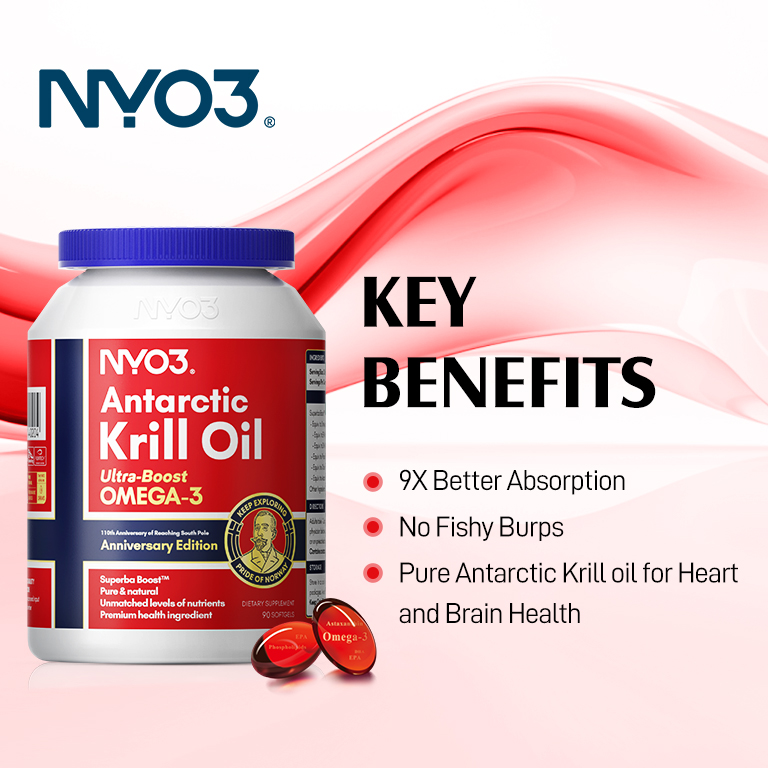
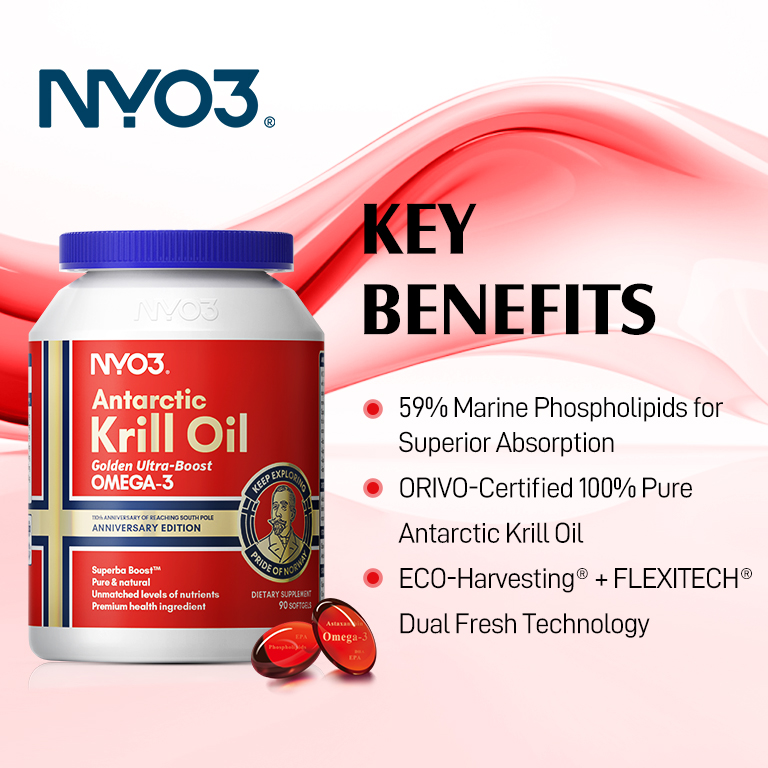
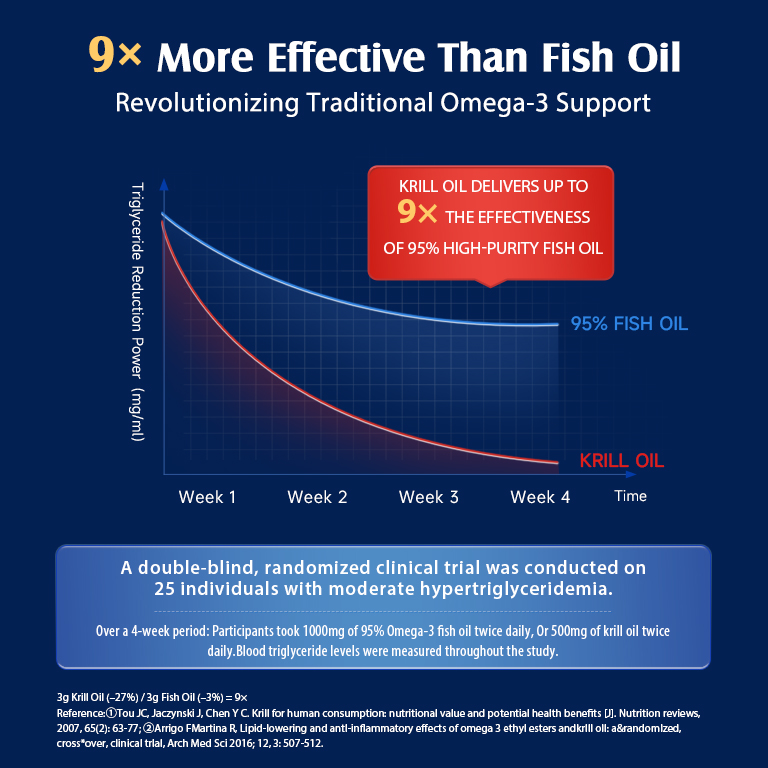
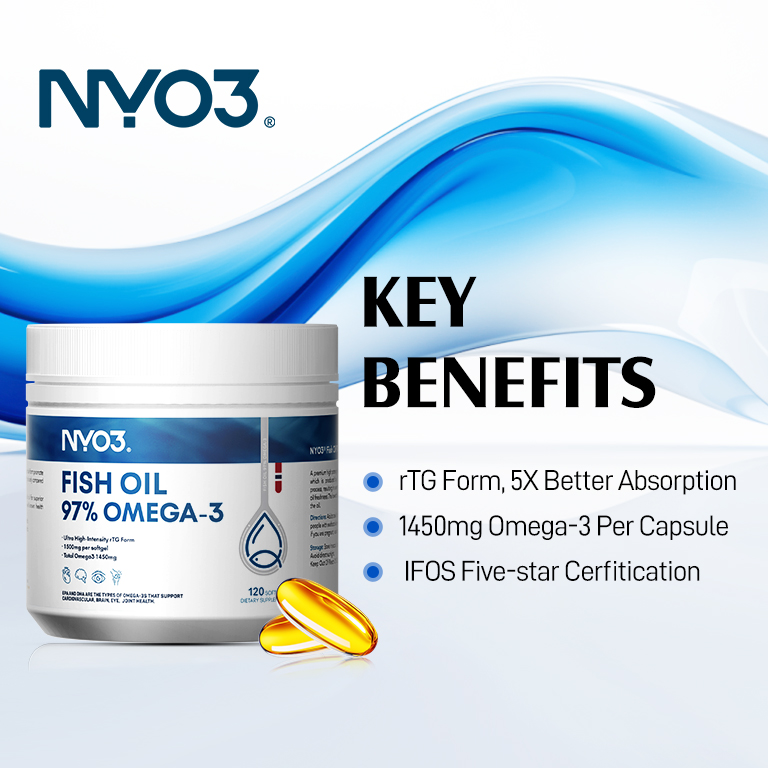
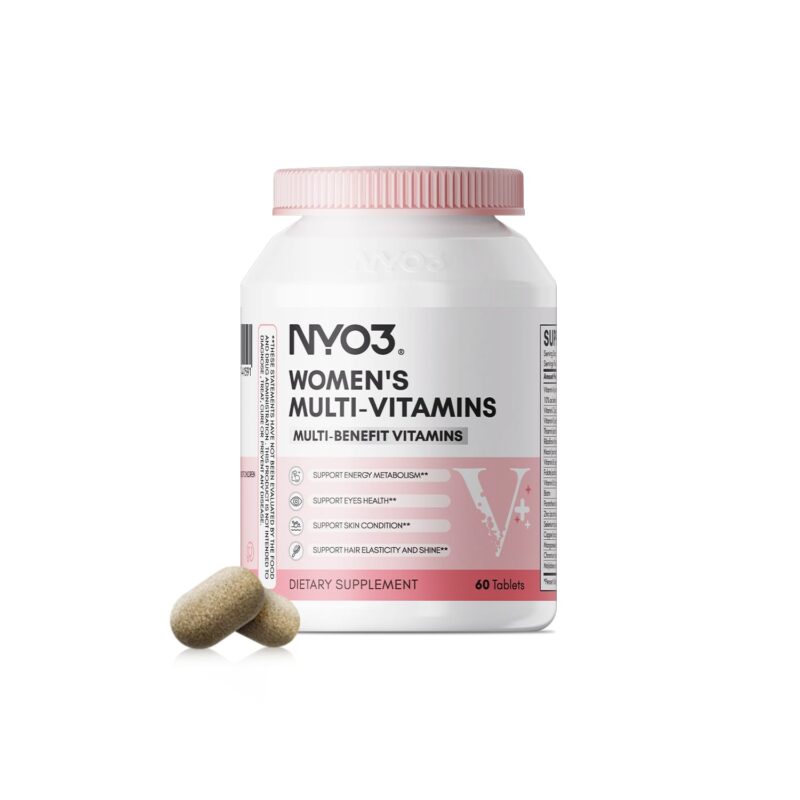
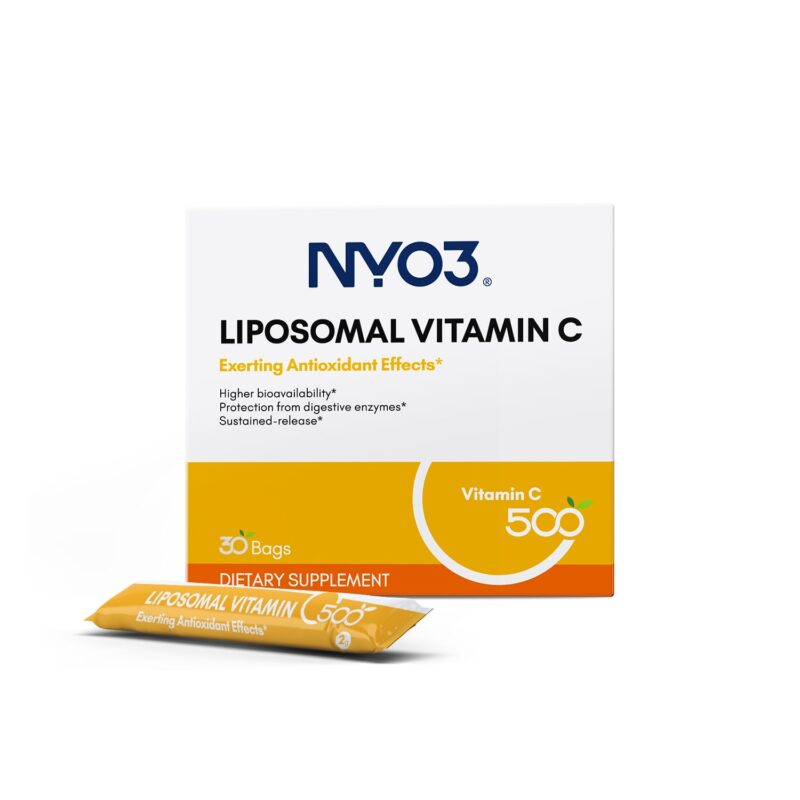
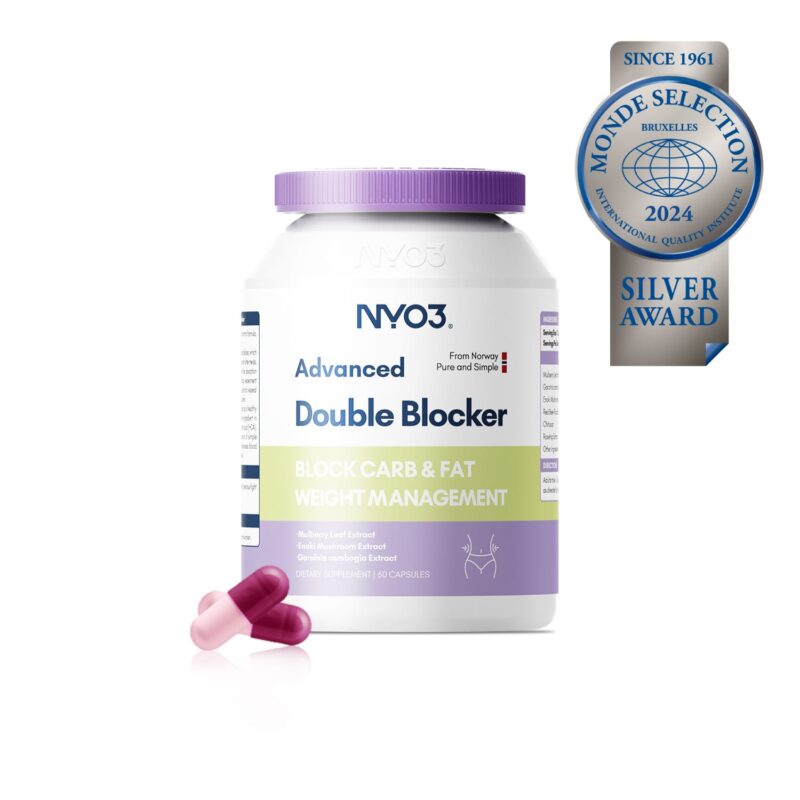
For consistent intake, NYO3 omega products provide a reliable way to incorporate these beneficial fatty acids into your daily regimen. Their high-quality formulations ensure you receive optimal amounts without the guesswork of food sources.
Adding omega-7 supplements like those from NYO3 to your routine can be a simple yet effective step toward better health.