
Salmon Oil: Benefits, Sources, and More…
Salmon oil is a nutritional powerhouse that can transform your health and that of your pets. This natural supplement, derived from wild-caught salmon, contains essential omega-3 fatty acids that support multiple body functions. Salmon oil’s omega-3s provide powerful anti-inflammatory benefits that can help reduce inflammation throughout your body while supporting brain health, skin condition, and joint function.
Whether you’re considering salmon oil supplements for yourself or for your dog or cat, the benefits are substantial. For pets, it promotes a healthy coat, reduces skin irritation, and supports overall wellness. Many pet owners notice visible improvements in their companions’ fur quality and mobility after adding salmon oil to their diet.


What Is Salmon Oil?
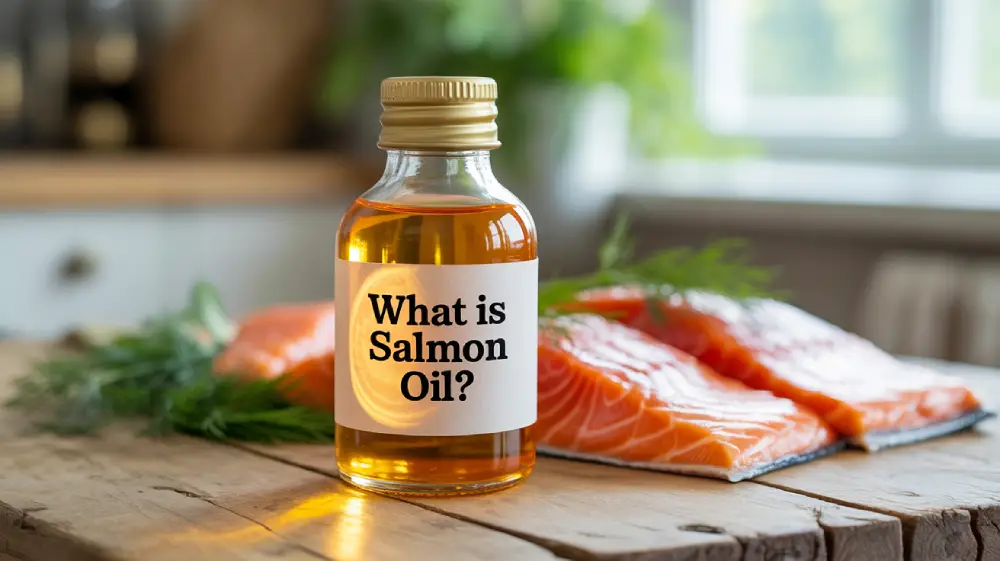
Salmon oil is a concentrated form of oil extracted from salmon fish, rich in healthy fats with numerous benefits for both humans and pets. It contains natural vitamins and antioxidants that make it a valuable dietary supplement.
Salmon Oil vs. Fish Oil
Salmon oil is a specific type of fish oil that comes exclusively from the salmon species. While general fish oil is derived from various fish like mackerel, herring, tuna, and sardines, salmon oil offers a more concentrated source of certain nutrients.
The main difference lies in the omega fatty acid profile. Salmon oil typically contains higher levels of EPA and DHA omega-3 fatty acids compared to generic fish oils. It also contains naturally occurring vitamins A, D, and E that may be less abundant in other fish oils.
Another key distinction is the presence of astaxanthin, a powerful antioxidant that gives salmon its pink color. This compound isn’t found in most other fish oils and provides additional health benefits.
Sources of Salmon Oil
Salmon oil comes primarily from the fatty tissues of various salmon species. The most common sources include:
- Atlantic salmon
- Sockeye salmon
- Coho salmon
- Pink salmon
- King (Chinook) salmon
Wild Alaskan salmon is particularly valued for its oil quality. The oil is extracted using different methods, including cold-pressing, which helps preserve the nutritional integrity of the oil.
Commercial production often uses salmon byproducts from the food industry, making salmon oil a sustainable product that reduces waste. This process captures the nutritional benefits from parts that would otherwise be discarded.
Wild-Caught and Sustainably Harvested Salmon
Wild-caught salmon oil is considered superior to farmed sources by many experts. Wild salmon eat natural diets and swim freely in ocean waters, resulting in oil with a better nutritional profile.
Wild Alaskan salmon oil is particularly prized because Alaska maintains strict sustainable fishing practices. Their fisheries are managed under conservation protocols that prevent overfishing and protect the marine ecosystem.
When choosing salmon oil supplements, look for those labeled “sustainably harvested” or carrying certifications from organizations like the Marine Stewardship Council (MSC). These certifications ensure the salmon was caught using methods that minimize environmental impact and maintain fish populations.
The quality of sustainably harvested salmon oil is typically higher, with fewer contaminants and a better omega-3 profile than oil from farmed sources.
Nutritional Profile of Salmon Oil
Salmon oil offers a concentrated source of essential fatty acids and nutrients beneficial for health. Salmon oil provides 123 calories per serving, with 100% of those calories coming from fat.
Omega-3 Fatty Acids: EPA, DHA, and ALA
Salmon oil is primarily valued for its rich omega-3 polyunsaturated fatty acid content. The two most prominent omega-3s in salmon oil are eicosapentaenoic acid (EPA) and docosahexaenoic acid (DHA). These marine-derived omega-3s are considered more bioavailable than plant-based alpha-linolenic acid (ALA).
A typical salmon oil supplement contains approximately 180-500 mg of EPA and 220-500 mg of DHA per 1000 mg serving, though concentrations vary by brand and processing method.
The EPA in salmon oil helps reduce inflammation in your body and supports cardiovascular health. DHA is crucial for brain function and development, making it especially important during pregnancy and early childhood.
Unlike flaxseed oil, which primarily contains ALA, salmon oil provides ready-to-use EPA and DHA that your body doesn’t need to convert.
Omega-6 and Omega-9 Fatty Acids
While omega-3s are the star components, salmon oil also contains moderate amounts of omega-6 and omega-9 fatty acids. The omega-6 content is typically lower than in vegetable oils, giving salmon oil a favorable omega-3 to omega-6 ratio.
The primary omega-6 fatty acid in salmon oil is linoleic acid (LA), usually present in concentrations of 1-3%. This lower omega-6 content is beneficial since most Western diets already contain excess omega-6 fatty acids.
Salmon oil also contains oleic acid, an omega-9 fatty acid that supports healthy cholesterol levels. The balanced combination of these different fatty acid families contributes to salmon oil’s anti-inflammatory properties.
When selecting salmon oil supplements, look for products that specify the complete fatty acid profile to ensure you’re getting a beneficial balance.
Vitamins and Other Nutrients
Beyond fatty acids, salmon oil contains fat-soluble vitamins, particularly vitamins A and D. Vitamin A supports vision and immune function, while vitamin D aids calcium absorption and bone health.
Natural salmon oil may also contain astaxanthin, a powerful antioxidant that gives salmon its pink color. This carotenoid helps protect the oil from oxidation and provides additional health benefits.
Some salmon oil supplements are fortified with vitamin E (tocopherols) to prevent rancidity and extend shelf life. This added vitamin E offers antioxidant protection for your cells.
Trace minerals found in small amounts include iodine and selenium, both important for thyroid function. The nutritional profile can vary depending on the salmon species source, and production methods.
Guaranteed Analysis and Calorie Content
Commercial salmon oil supplements typically provide a guaranteed analysis on their labels. This analysis includes minimum percentages of crude fat (usually 99-100%) and maximum moisture content (typically less than 1%).
The caloric content of salmon oil is approximately 902 kcal per 100 grams, making it a concentrated energy source. A standard serving of salmon oil (1 teaspoon or about 5 ml) provides roughly 45 calories.
Quality salmon oil supplements will specify:
- Minimum EPA and DHA content
- Total omega-3 fatty acid percentage
- Peroxide value (indicating freshness)
- Contaminant testing results
When choosing salmon oil, look for products that have been molecularly distilled or purified to remove potential contaminants like heavy metals and PCBs. Third-party testing certification provides additional assurance of quality and accurate nutritional content.
Health Benefits of Salmon Oil
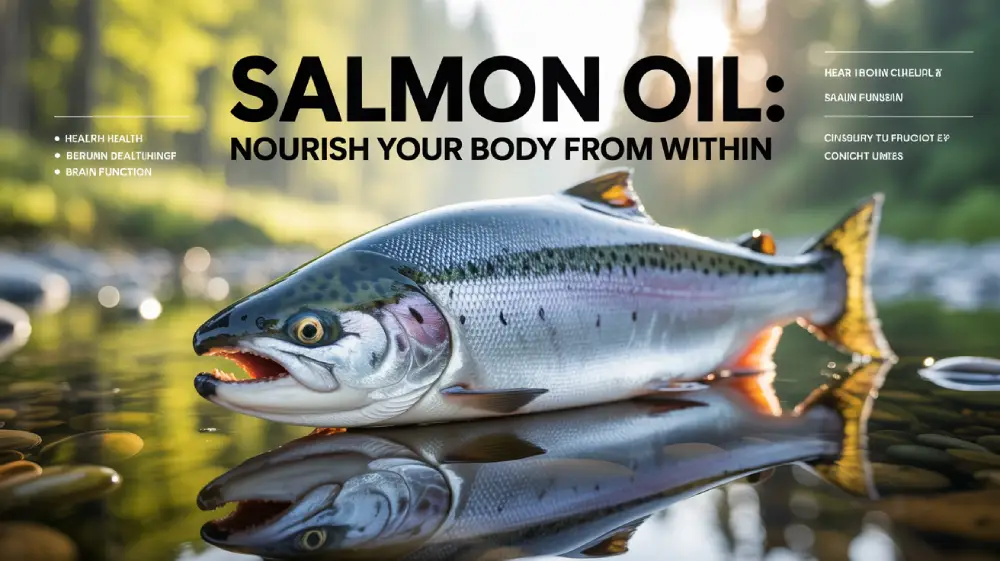
Salmon oil delivers powerful health benefits through its rich omega-3 fatty acid content. These essential nutrients work throughout the body to support multiple aspects of wellness that can improve quality of life.
Skin and Coat Health
Salmon oil can promote healthy skin through its abundant omega-3 fatty acids. These nutrients help maintain skin moisture and reduce inflammation that can lead to dryness and irritation.
When you take salmon oil regularly, you may notice improvements in skin elasticity and overall appearance. The EPA and DHA in salmon oil help strengthen cell membranes in your skin, creating a stronger barrier against environmental damage.
For those with conditions like eczema or psoriasis, salmon oil may provide relief by calming inflammation. The anti-inflammatory properties help reduce redness and irritation while supporting the skin’s natural healing processes.
Key benefits for skin health:
- Increases hydration and moisture retention
- Reduces inflammatory skin conditions
- Supports cellular repair and regeneration
- Improves overall skin texture and appearance
Immune System Support
Salmon oil contains anti-inflammatory properties that help strengthen your immune system. The omega-3 fatty acids in salmon oil regulate immune responses, helping your body fight infection while preventing overactive responses that cause inflammation.
Research suggests that regular consumption of omega-3s can enhance white blood cell activity. These cells are crucial for identifying and eliminating harmful pathogens in your body.
During cold and flu season, salmon oil supplementation may help reduce your susceptibility to common illnesses. The DHA component specifically supports the production of compounds that resolve inflammation after your immune system has done its job.
Immune benefits of salmon oil:
- Regulates inflammatory responses
- Enhances white blood cell function
- May reduce the frequency of common illnesses
- Helps maintain balanced immune reactions
Fertility and Reproductive Health
Salmon oil provides essential fatty acids that support reproductive health in both men and women. These nutrients are vital building blocks for hormone production and reproductive cell development.
For women, omega-3s may help regulate menstrual cycles and reduce uncomfortable symptoms. Research indicates that adequate levels of these fatty acids support embryo implantation and development during pregnancy.
In men, salmon oil can improve sperm quality parameters. Regular supplementation has been linked to better sperm motility, count, and morphology—all important factors for successful conception.
The DHA in salmon oil is particularly important during pregnancy, as it supports fetal development, especially for the brain and eyes. Maintaining adequate omega-3 levels before and during pregnancy may contribute to optimal outcomes for both mother and baby.
Salmon Oil for Dogs
Salmon oil provides essential omega-3 fatty acids that support your dog’s overall health from the inside out. This supplement can improve skin conditions, reduce inflammation, and support cognitive function in dogs of all ages and breeds.
Benefits for Dogs
Salmon oil delivers powerful omega-3 fatty acids that work wonders for your dog’s health. These essential nutrients primarily include EPA and DHA, which dogs cannot produce on their own.
For skin and coat health, salmon oil creates a protective moisture barrier that reduces itching, redness, and excessive shedding. Many dog owners notice their pet’s coat becomes noticeably shinier and softer after regular supplementation.
Joint health also improves with salmon oil as it helps reduce inflammation and eases mobility issues in older dogs. This makes it particularly valuable for senior pets or breeds prone to joint problems.
The heart and immune system benefits are significant, too. Omega-3s support healthy heart function and strengthen your dog’s natural defense systems against illness.
Brain development in puppies and cognitive function in senior dogs also improve with regular salmon oil supplementation.
How to Supplement Dog Food
Adding salmon oil to your dog’s diet is straightforward. The most common method is using a pump dispenser to add liquid salmon oil directly to your dog’s regular food.
Simple application methods:
- Pump liquid salmon oil onto dry kibble
- Mix into wet food
- Drizzle over homemade dog food
- Add to puzzle toys or lick mats as a treat
For picky eaters, start with a smaller amount and gradually increase to the recommended dosage. Most dogs enjoy the taste, making supplementation relatively easy.
Store the bottle in a cool, dark place or refrigerate after opening to prevent oxidation. Always check the expiration date, as rancid oil can cause digestive upset and lacks beneficial properties.
Wild Alaskan salmon oil is generally considered superior to other fish oils due to its purity and higher concentration of beneficial omega-3s.
Recommended Dosage for Dogs
The correct salmon oil dosage depends primarily on your dog’s weight. While specific recommendations may vary by product, general guidelines can help you determine appropriate amounts.
Typical dosage guidelines by weight:
| Dog’s Weight | Daily Dosage |
| Under 20 lbs | ½ to 1 tsp |
| 20-60 lbs | 1 to 2 tsp |
| Over 60 lbs | 2 to 3 tsp |
Start with a lower dose and gradually increase to the recommended amount over 7-10 days. This helps prevent digestive upset as your dog adjusts to the supplement.
Monitor your dog for any adverse reactions. While rare, some dogs may experience loose stools when first starting salmon oil. If this occurs, reduce the dosage temporarily.
For dogs with specific health conditions, consult your veterinarian before starting any supplement. They may recommend adjusted dosages based on your dog’s particular needs.
Salmon Oil for Cats
Salmon oil provides essential omega-3 fatty acids that support your cat’s overall health. This supplement can improve skin and coat condition while supporting immune function and joint health.
Benefits for Cats
Salmon oil delivers powerful omega-3 fatty acids that benefit your cat in multiple ways. These essential nutrients help maintain healthy skin and reduce dryness or flakiness that can lead to scratching.
Your cat’s coat will become noticeably shinier and softer with regular use. Many cat owners report less shedding after adding salmon oil to their pet’s diet.
The anti-inflammatory properties in salmon oil support joint health, which is particularly beneficial for older cats experiencing stiffness or mobility issues.
Salmon oil also helps boost your cat’s immune system function. The EPA and DHA found in salmon oil play important roles in cellular health and immune response.
Another benefit is improved digestive health, as the omega-3s help reduce inflammation in the digestive tract. Some cats experience improved appetite when salmon oil is added to their food.
How to Add to Cat Food
Adding salmon oil to your cat’s diet is simple. The most common method is to drizzle it directly over dry or wet food. Most cats enjoy the taste of salmon oil, making it an easy addition to their meals.
Start with a very small amount to allow your cat to adjust to the new flavor and texture. If your cat seems hesitant, try mixing it thoroughly into wet food to mask the initial change.
Pump bottles make dosing simple and help prevent spills or waste. Always refrigerate salmon oil after opening to maintain freshness and prevent it from becoming rancid.
For travel or convenience, some brands offer salmon oil in capsule form. These can be punctured and squeezed onto food, or some cats will take them whole if hidden in a treat.
Consistency is key—add salmon oil to your cat’s food at the same time each day for the best results.
Recommended Dosage for Cats
The correct salmon oil dosage depends on your cat’s weight. For the average house cat (8-10 pounds), the typical dose is ¼ to ½ teaspoon daily.
For smaller cats under 8 pounds, reduce the dosage to about ¼ teaspoon. Larger cats weighing over 12 pounds may benefit from up to ¾ teaspoon daily.
Always follow the specific dosing instructions on your salmon oil product, as concentrations can vary between brands. Start with the lower end of the recommended dosage and gradually increase if needed.
Too much salmon oil can cause digestive upset or diarrhea. If you notice any negative reactions, reduce the amount immediately.
For cats with specific health conditions, consult your veterinarian before starting any supplement. They may recommend adjusted dosages based on your cat’s particular needs.
Choosing and Storing Salmon Oil
The quality and effectiveness of salmon oil depend on its source, ingredients, and how you store it. Proper selection and storage help maintain the beneficial omega fatty acids and prevent rancidity.
Wild-Caught vs. Farmed Salmon Oil
Wild-caught Alaskan salmon oil typically contains higher levels of omega-3 fatty acids compared to farmed options. This difference stems from the natural diet of wild salmon, which includes smaller fish and krill rich in these nutrients.
Farmed salmon often consume processed feed that may alter their oil’s nutritional profile. However, some high-quality farmed sources maintain strict feeding protocols to ensure nutritional quality.
When selecting salmon oil, check the label for “wild-caught” or “Alaskan salmon” indications. These options generally contain fewer environmental contaminants and higher omega-3 concentrations.
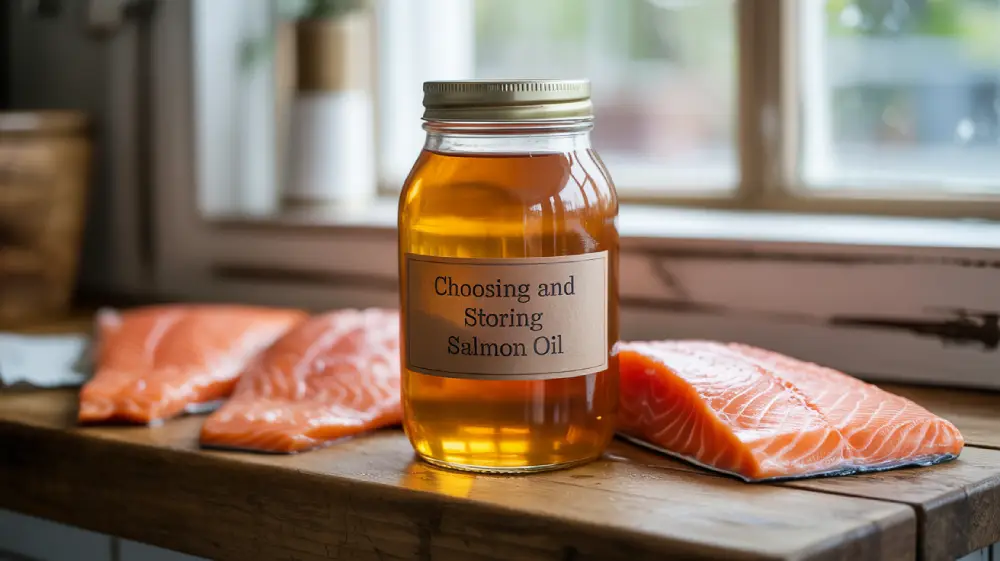
The color can also provide clues—wild salmon oil typically has a deeper, more vibrant orange-red hue compared to the lighter color of farmed varieties.
Preservatives and Additives
Quality salmon oil should contain minimal additives. Look for products with natural preservatives like tocopherols (vitamin E), which help prevent oxidation without adding harmful chemicals.
Avoid products containing:
- Artificial preservatives (BHA, BHT, ethoxyquin)
- Added colorants
- Unnecessary flavorings
- Excessive fillers
Many premium salmon oils list “mixed tocopherols” on their ingredient panel. This natural antioxidant extends shelf life while maintaining oil purity.
Check the product’s manufacturing date and expiration information. Fresh salmon oil will deliver more benefits and have less risk of rancidity. Some manufacturers include third-party testing results, which can verify the oil’s purity and omega-3 content.
Packaging and Storage Best Practices
The right packaging protects salmon oil from its three main enemies: light, heat, and oxygen. Dark glass or opaque containers offer better protection than clear plastic bottles.
After opening, store salmon oil in a cool, dark place or refrigerate it to maintain freshness. Some products specify room temperature storage, so always check the manufacturer’s recommendations.
Control moisture exposure by keeping bottle caps tightly sealed and using clean, dry utensils when dispensing. Even small amounts of water can accelerate spoilage.
Signs of spoiled salmon oil include:
- Rancid or “fishy” smell (beyond normal fish oil odor)
- Cloudy appearance
- Changed color
- Thickened consistency
Most salmon oils maintain quality for 1-3 months after opening when properly stored. Unopened bottles typically last 1-2 years, depending on preservative systems and packaging quality.
Potential Side Effects and Risks
While salmon oil offers many health benefits, it can cause unwanted effects in some people. Understanding these potential issues helps you make informed decisions about using this supplement.
Allergic Reactions and Symptoms
If you’re allergic to fish, you should avoid salmon oil supplements. Signs of an allergic reaction include hives, itching, swelling (especially of the face, tongue, or throat), and difficulty breathing. These symptoms require immediate medical attention.
Some people experience less severe reactions that aren’t true allergies. These include skin rashes or mild itching after taking salmon oil supplements.
Fishy aftertaste, nausea, bloating, or burping are common mild side effects. These symptoms often improve over time or by taking the supplement with meals.
Bad breath or body odor may also occur in some users, though these effects are usually mild and temporary.
Interactions with Medications
Salmon oil can interact with certain medications, potentially causing problems. Be especially careful if you take:
- Blood thinners (anticoagulants/antiplatelets): Salmon oil may increase bleeding risk
- Blood pressure medications: Possible enhanced blood pressure-lowering effects
- Diabetes medications: May affect blood sugar control
Taking high doses of fish oil supplements might increase your risk of bleeding and possibly increase stroke risk if you’re already on blood-thinning medications.
Always tell your healthcare provider about all supplements you take to avoid dangerous interactions.
When to Contact a Healthcare Provider
Contact your doctor immediately if you experience chest pain, severe back pain, unusual bruising, or bleeding after taking salmon oil. These could indicate serious complications.
Seek medical help for persistent digestive issues like severe heartburn, loose stools, or diarrhea that doesn’t improve with time or when taking the supplement with food.
If you notice symptoms like nosebleeds, bleeding gums, or blood in urine, contact your healthcare provider promptly.
Pregnant or breastfeeding women should always consult their doctor before starting salmon oil supplements, as safety guidelines may differ.
Comparing Salmon Oil to Other Fish Oils
Fish oils vary greatly in their nutritional profiles and benefits. Salmon oil stands out for its higher omega-3 content compared to many other fish oil varieties.
Pollock Oil and Whitefish Oil
Pollock oil comes from Alaska pollock, a sustainable whitefish species. When comparing it to salmon oil, pollock oil typically contains lower levels of omega-3 fatty acids. One tablespoon of salmon oil provides about 4.25 grams of EPA and DHA, while pollock oil generally offers less.
Whitefish oil, derived from various white-fleshed fish species, contains omega-3s but in different ratios than salmon oil. These oils tend to have:
- Lower EPA and DHA content per serving
- Different taste profiles (milder than salmon oil)
- Lower cost per bottle (but often higher cost per omega-3 gram)
For inflammation concerns, salmon oil may be more effective than general whitefish oils due to its higher omega-3 concentration and better blood flow promotion.
Grizzly Salmon Plus and Alternatives
Grizzly Salmon Plus is a popular supplement that combines salmon oil with additional beneficial ingredients. This product enhances standard salmon oil with pollock oil to create a more comprehensive omega profile.
Key differences between Grizzly Salmon Plus and alternatives include:
Advantages of Grizzly Salmon Plus:
- Balanced omega-3 to omega-6 ratio
- Wild-sourced salmon (typically higher in nutrients)
- Additional antioxidants from mixed fish sources
Alternatives comparison:
- Regular fish oil blends: more saturated fats but lower cost
- Krill oil: more expensive but potentially better absorption
- Cod liver oil: contains vitamins A and D, but has a different omega-3 profile
When selecting between these options, you should consider your specific health needs and budget constraints.
Salmon Oil Supplements and Product Types
Salmon oil supplements come in various forms to meet different preferences and needs. These products deliver essential omega-3 fatty acids, EPA and DHA, that support overall health.
Liquid and Softgel Options
Salmon oil supplements are primarily available as softgels or liquid. Softgel capsules typically contain 1000mg of salmon oil and are convenient for precise dosing. Many brands offer 120-210 softgels per bottle for long-term use.
Liquid salmon oil provides flexibility in dosing and is easier to add to food. This form is especially useful if you have difficulty swallowing pills or need higher doses.
Both options contain similar nutrients, but absorption rates may differ. Liquid forms tend to be absorbed more quickly, while softgels provide a controlled release of omega-3s.
When choosing between forms, consider your lifestyle needs. Softgels are more portable and have minimal taste, while liquid offers dosing flexibility.
Flavored and Unflavored Forms
Salmon oil naturally has a fishy taste that some find unpleasant. Manufacturers address this by offering both flavored and unflavored options.
Unflavored salmon oil supplements maintain the natural profile of the oil with minimal processing. This pure form appeals to those seeking the most natural option but may have a noticeable fish taste or aftertaste.
Flavored versions incorporate natural masking agents like lemon, orange, or mint to improve palatability. These additives don’t typically affect the nutritional benefits of the omega-3 content.
Some premium products use specialized encapsulation technology to create “burpless” formulas that reduce fishy aftertaste and reflux. These are particularly helpful if you’ve experienced digestive discomfort with standard fish oil supplements.
Sustainability and Sourcing Considerations
When choosing salmon oil supplements, understanding where and how they’re sourced makes a big difference for both your health and the planet. Sustainable practices ensure both quality products and protection of marine ecosystems.
Environmental Impact
Marine feed ingredients must come from sustainable sources to support healthy ecosystems. The way salmon oil is harvested can significantly impact ocean health and fish populations.
Wild-caught Alaskan salmon is often considered the gold standard for sustainable fish oil. Alaska’s strict fishing regulations help maintain healthy salmon populations and minimize environmental damage.
When you choose sustainably harvested salmon oil, you’re supporting practices that:
- Prevent overfishing
- Reduce bycatch (unwanted fish caught during fishing)
- Protect marine habitats
- Minimize carbon footprint
Alaskan fish oils typically come from fisheries that follow rigorous sustainability protocols. These practices ensure salmon populations remain healthy for future generations.
Certifications and Responsible Brands
Looking for third-party certifications is the best way to verify sustainability claims. These independent assessments help you make informed choices about the salmon oil you purchase.
Key certifications to look for:
- Marine Stewardship Council (MSC)
- Friend of the Sea
- Alaska Responsible Fisheries Management (RFM)
Friend of the Sea certification indicates the company follows strict environmental and social sustainability standards. This helps you contribute to responsible sourcing practices when buying omega-3 supplements.
Many responsible brands actively engage with fish oil suppliers to ensure environmental and social responsibility throughout their supply chain. When you check product labels and company websites for transparency about sourcing, you can make better choices.
Some companies now also offer full traceability, allowing you to track exactly where your salmon oil comes from and how it was harvested.
Frequently Asked Questions
What are the health benefits of taking salmon oil?
Salmon oil contains omega-3 fatty acids that support heart health by helping reduce inflammation and lowering triglyceride levels. These essential fats may also benefit brain function and cognitive health.
Research suggests that salmon oil can help reduce joint pain and stiffness associated with conditions like arthritis. The anti-inflammatory properties in salmon oil work throughout your body.
For optimal results, choose a reputable brand of salmon oil that is well-sourced and free from contaminants.
How does salmon oil benefit dogs’ overall well-being?
Dogs receiving appropriate salmon oil supplements often show improvements in coat shine and reduced skin dryness. The omega-3 fatty acids help decrease shedding and promote healthier skin.
The recommended daily dosage for dogs is typically 1 pump per 6.6 lb (3kg) of body weight. Using a fish oil dosage calculator can help determine the exact amount for your pet.
Joint health improvements are common in dogs taking salmon oil, especially in older dogs or breeds prone to joint issues.
What is the efficacy of salmon oil for improving human skin health?
Salmon oil can reduce skin inflammation and improve moisture retention, helping with conditions like eczema and psoriasis. Users often report smoother, more hydrated skin after regular use.
The omega-3 fatty acids in salmon oil support the skin’s lipid barrier, which helps protect against environmental damage. This strengthened barrier can reduce the appearance of fine lines.
Results typically require consistent use over several weeks or months for noticeable skin improvements.
Can cats safely consume salmon oil, and what are the advantages?
Cats can safely consume salmon oil in appropriate doses. It supports feline coat health and can reduce hairballs by improving fur quality.
Like dogs, cats benefit from the anti-inflammatory properties that help with joint mobility. Older cats, especially, may show improved movement and comfort.
Always introduce salmon oil gradually into your cat’s diet and monitor for any digestive changes or sensitivities.
What are the potential side effects or risks associated with consuming salmon oil?
Some people experience digestive discomfort, like diarrhea, nausea, or “fishy” burps when taking salmon oil. Starting with a lower dose can help minimize these issues.
Quality matters with salmon oil—poor quality products may smell fishy, which indicates oxidation. If your oil smells fishy, you should discard it and find a better brand.
Blood-thinning effects can occur at high doses, which might increase bleeding risk during surgery or with certain medications.
What populations or individuals should avoid using salmon oil supplements?
You should not use salmon oil if you are allergic to salmon oil, soy, fish, or shellfish. These allergies can cause serious reactions requiring immediate medical attention.
People taking blood-thinning medications should consult with their healthcare provider before starting salmon oil. The combined effect could increase bleeding risk.
Those scheduled for surgery should typically stop taking salmon oil at least two weeks before the procedure. Always inform your surgeon about all supplements you take.
Conclusion
Salmon oil offers numerous health benefits due to its rich omega-3 fatty acid content. These essential nutrients help reduce inflammation throughout your body and support heart health by improving cholesterol levels and lowering triglycerides.
For your brain, salmon oil provides crucial support for cognitive function and may help maintain mental clarity as you age. The anti-inflammatory properties also benefit your joints, potentially reducing discomfort and improving mobility.
Your skin and hair can also improve with regular salmon oil supplementation. Many users report healthier skin, reduced dryness, and shinier hair after consistent use.
When choosing a salmon oil supplement, quality matters significantly. NYO3® Anti-inflammation Salmon Oil Softgels stand out as an excellent option for those seeking comprehensive inflammation-fighting benefits. These softgels are well-tolerated and provide broad inflammation-resolving effects.
Adding salmon oil to your daily routine is simple. Just follow the recommended dosage on your product of choice, and you may begin experiencing benefits within a few weeks of consistent use.
Remember that while salmon oil offers impressive benefits, it works best as part of an overall healthy lifestyle that includes a balanced diet and regular exercise.