
16 Science-Backed Krill Oil Benefits for Women
Krill oil is a supplement that comes from tiny sea creatures called krill. It’s similar to fish oil but may have some unique benefits for women’s health.
Krill oil contains omega-3 fatty acids that can help reduce inflammation in your body and support heart health. These healthy fats may also boost your mood and brain function. For women, krill oil might help ease symptoms of PMS and support skin health.
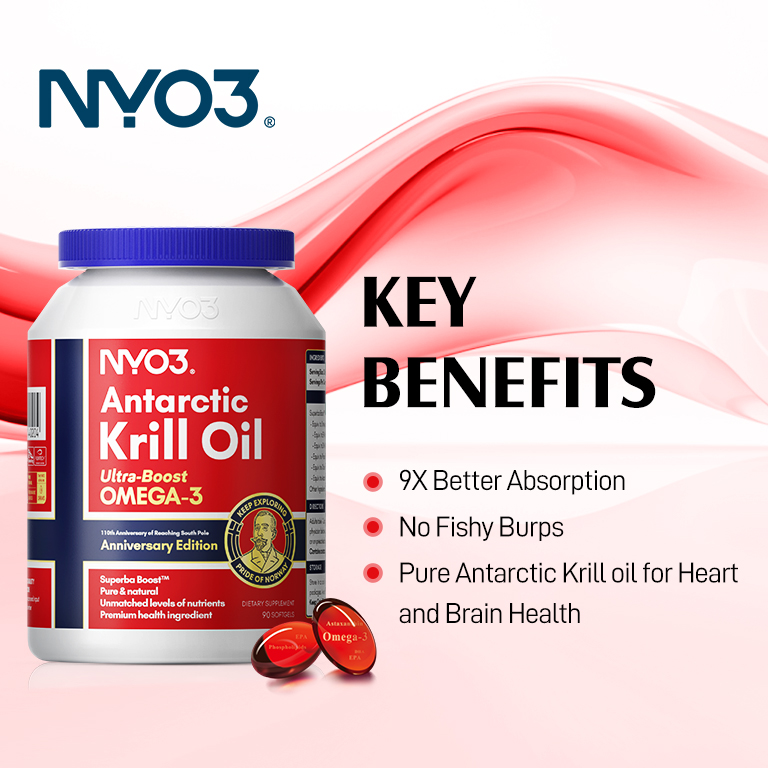

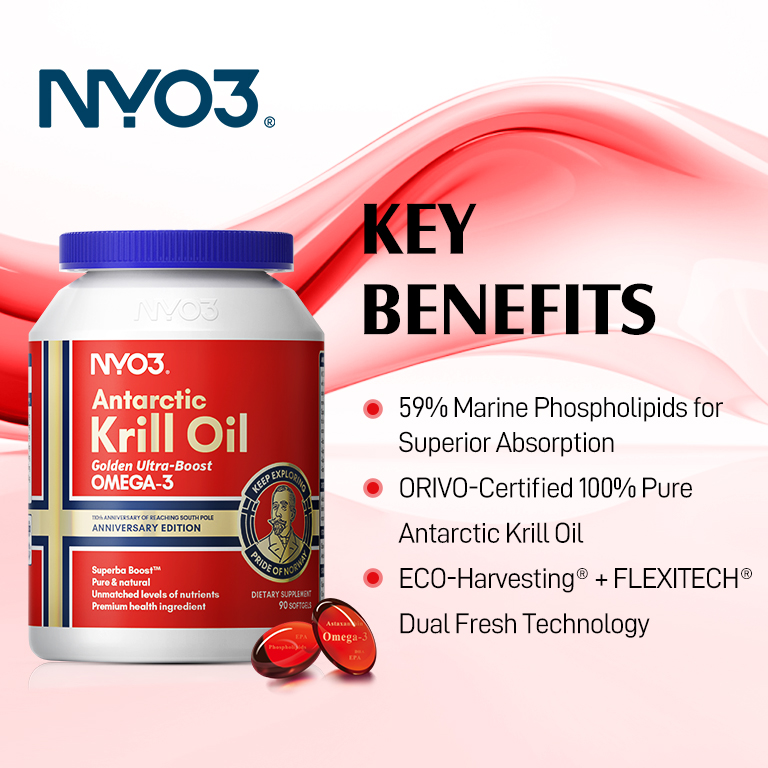

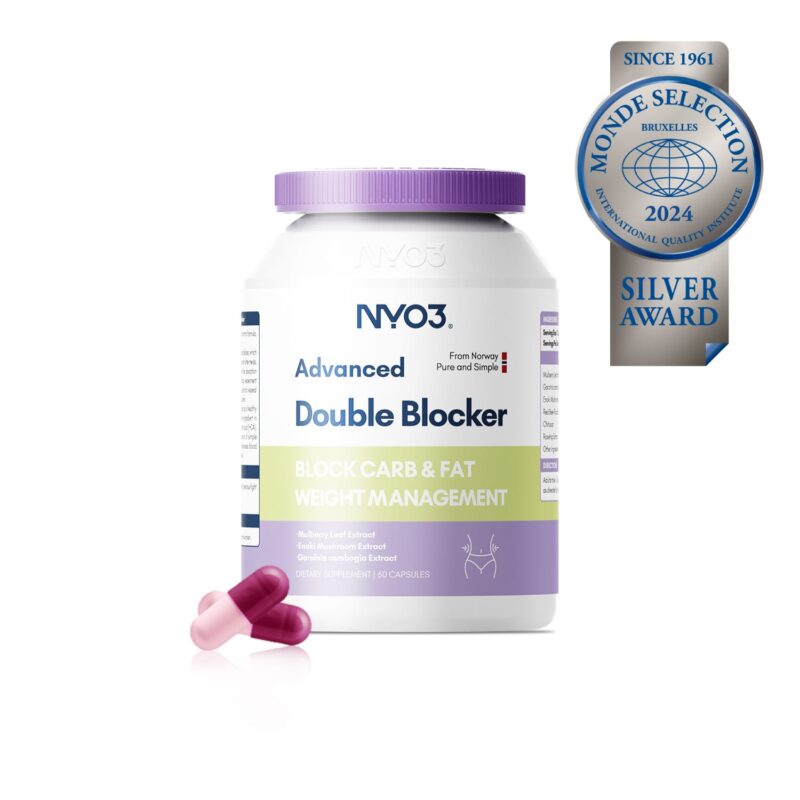
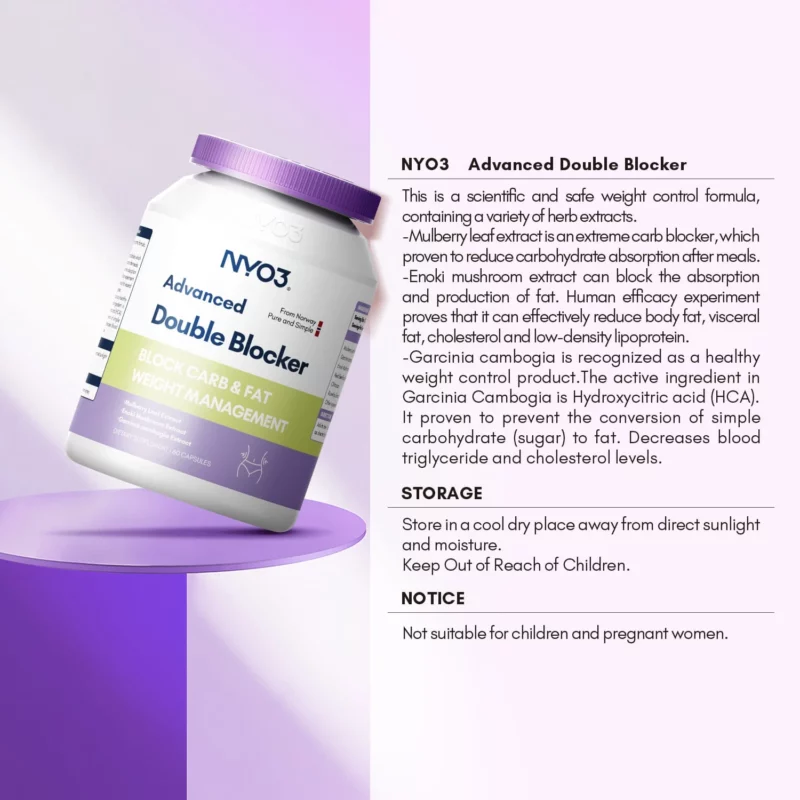
Another plus is that krill oil has antioxidants like astaxanthin. This gives it an extra edge in fighting damage from harmful molecules in your body. Krill oil is easy for your body to use, which means you may need less of it compared to fish oil to get the same benefits.
Understanding Krill Oil and its Nutritional Content
Krill oil is a nutrient-rich substance that offers unique health benefits. It contains omega-3 fatty acids, phospholipids, and antioxidants that can support your well-being in various ways.

Krill: A Vital Component of the Marine Ecosystem
Krill are small, shrimp-like creatures that play a crucial role in the ocean’s food chain. These tiny crustaceans live in the cold waters of the Antarctic and serve as a primary food source for many marine animals.
Krill contains high levels of omega-3 fatty acids, specifically EPA and DHA. These essential fats are important for your heart, brain, and overall health.
The oil extracted from krill is rich in nutrients. It provides a concentrated source of omega-3s along with other beneficial compounds.
Comparing Krill Oil to Fish Oil
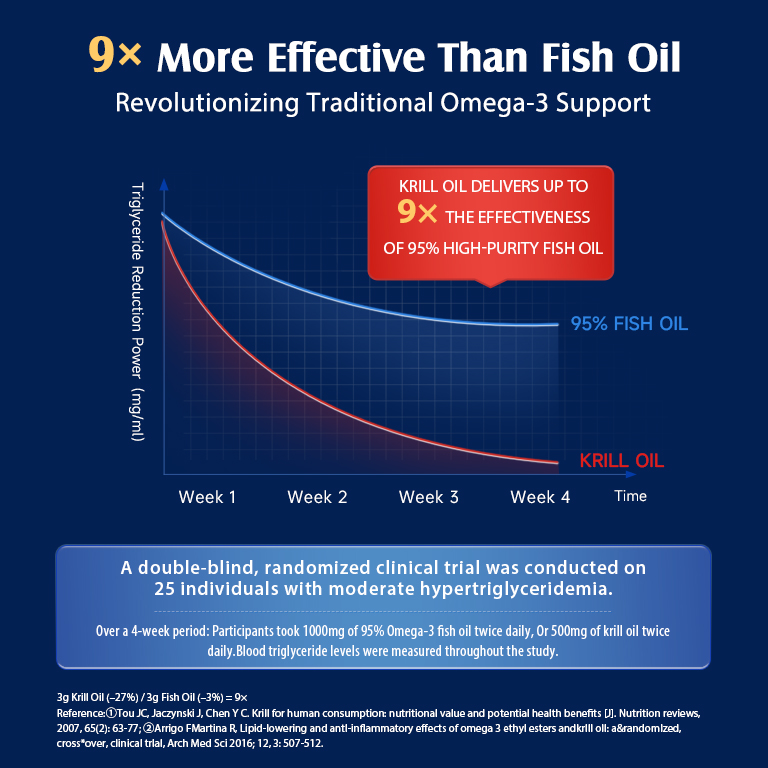
Both krill oil and fish oil are sources of omega-3 fatty acids, but they have some key differences. Krill oil may be easier for your body to absorb compared to fish oil.
The omega-3s in krill oil are attached to phospholipids. This structure helps your body use the fatty acids more efficiently.
Krill oil also contains astaxanthin, a powerful antioxidant not found in fish oil. This compound gives krill oil its reddish color and provides additional health benefits.
You may need a lower dose of krill oil to get the same omega-3 benefits as fish oil. This can make it a more convenient option for some people.
Unique Constituents: Phospholipids and Astaxanthin
Krill oil stands out due to its unique composition. It contains phospholipids, which are essential for cell membrane health and function.
These phospholipids help your body absorb and use omega-3 fatty acids more effectively. They also support brain health and cognitive function.
Astaxanthin is another key component of krill oil. This antioxidant helps protect your cells from damage caused by free radicals.
Astaxanthin may offer benefits for skin health, exercise performance, and heart health. It adds to the overall nutritional value of krill oil, making it a versatile supplement option.
Potential Health Benefits for Women
Krill oil offers several health advantages for women. It may improve heart health, ease joint pain, and help balance hormones.

Heart Health and Cholesterol Management
Krill oil can boost cardiovascular health in women. It contains omega-3 fatty acids that may lower bad cholesterol levels. These fatty acids can also reduce triglycerides in the blood.
Krill oil might help prevent heart disease. It can decrease inflammation in blood vessels. This effect protects the heart and improves blood flow.
Women taking krill oil may see a drop in their total cholesterol. The supplement works to raise good cholesterol while lowering the bad type.
Joint Health and Arthritis Relief
Krill oil can be helpful for women with joint problems. Its anti-inflammatory properties may ease arthritis pain. This can lead to better mobility and less stiffness.
The omega-3s in krill oil reduce joint swelling. This effect can be especially helpful for women with rheumatoid arthritis.
Regular use of krill oil might slow down joint damage. It can protect cartilage and reduce the need for pain medication.
Managing PMS and Hormonal Balance
Krill oil may offer relief from PMS symptoms. It can help balance hormones throughout the menstrual cycle.
Women who take krill oil often report less cramping. They may also experience fewer mood swings and less bloating.
The omega-3s in krill oil can reduce breast tenderness. This benefit can make the days leading up to menstruation more comfortable.
Krill oil might also help with menopause symptoms. It can potentially ease hot flashes and night sweats.
Positive Effects on the Cardiovascular System
Krill oil offers several benefits for your heart and blood vessels. It can improve your cholesterol levels and help maintain healthy blood pressure. These effects work together to support your overall cardiovascular health.
Impacts on Triglyceride and Cholesterol Levels
Krill oil can lower harmful triglycerides in your blood. High triglycerides can increase your risk of heart disease. By reducing these levels, krill oil helps protect your heart.
Krill oil also affects cholesterol in positive ways:
- It lowers LDL (bad) cholesterol
- It raises HDL (good) cholesterol
These changes in your cholesterol profile can reduce your risk of heart attacks and strokes. The omega-3 fatty acids in krill oil play a key role in these benefits.
Krill oil’s effects on blood fats may be due to its anti-inflammatory properties. By reducing inflammation in your body, it helps keep your arteries healthy.
Support for Healthy Blood Pressure
Krill oil may help you maintain normal blood pressure levels. This is important for your heart health. High blood pressure can strain your heart and damage your arteries.
The omega-3s in krill oil can:
- Relax blood vessels
- Improve blood flow
- Reduce inflammation in arteries
These effects work together to support healthy blood pressure. By keeping your blood pressure in check, krill oil helps reduce stress on your heart and blood vessels.
Regular use of krill oil as part of a healthy diet may improve your overall cardiovascular health. It’s a simple step you can take to support your heart and blood vessels.
Krill Oil and Joint Health
Krill oil can help women improve joint health. It may reduce pain and inflammation while supporting mobility.
Reducing Inflammation and Arthritis Pain
Krill oil contains omega-3 fatty acids that can reduce joint pain and arthritis symptoms. These fatty acids work to lower inflammation in the body.
For women with rheumatoid arthritis, krill oil may be especially helpful. It can decrease morning stiffness and swelling in joints.
Studies show krill oil can be as effective as fish oil for easing joint discomfort. Some research suggests it may work even better due to its unique composition.
Supporting Joint Mobility
Krill oil can help keep your joints moving smoothly. It does this by improving mild knee joint pain.
The omega-3s in krill oil help lubricate joints. This can make movement easier and less painful.
For active women, krill oil may help protect joints from wear and tear. It supports the health of cartilage, which cushions bones.
Regular use of krill oil supplements might improve your range of motion. This can make daily activities more comfortable.
Influence on Cognitive Function and Mental Health
Krill oil offers important benefits for your brain and mental well-being. It can boost cognitive function and help manage mood issues like anxiety and depression.

Benefits for Brain Health
Krill oil contains omega-3 fatty acids that support brain development and cognitive function. These nutrients are crucial for maintaining healthy brain cells and improving mental clarity.
The omega-3s in krill oil, especially EPA and DHA, play a key role in brain health. They help protect your brain from age-related decline and may enhance memory and focus.
Krill oil is especially effective at delivering these nutrients to your brain. Studies show it can increase brain levels of EPA and DHA much more than fish oil.
Effects on Mood and Anxiety
Krill oil may help improve your mood and reduce symptoms of anxiety and depression. The omega-3s it contains are linked to better mental health outcomes.
Research suggests that EPA, which is abundant in krill oil, can help alleviate symptoms of depression and anxiety. This makes krill oil a potential natural option for supporting emotional well-being.
Krill oil’s unique composition, with a 2:1 ratio of EPA to DHA, may be particularly beneficial. Studies have found promising results for cognitive function improvement and depression relief.
By incorporating krill oil into your diet, you may experience improvements in both cognitive function and mood regulation.
Women’s Immunity and Inflammatory Response
Krill oil offers important benefits for women’s immune function and inflammatory response. It supports the body’s defense systems and helps manage inflammation, which can be particularly helpful for certain conditions.
Immune System Support
Krill oil can boost your immune system. It contains omega-3 fatty acids that help strengthen your body’s defenses. These nutrients support the production and activity of immune cells.
Krill oil also provides antioxidants. These protect your cells from damage and help your immune system work better. The antioxidants in krill oil include astaxanthin, which is very powerful.
Taking krill oil may help you fight off common illnesses more easily. It could also support your long-term health by keeping your immune system strong.
Anti-Inflammatory Properties and Autoimmune Conditions
Krill oil has strong anti-inflammatory effects. This can be very helpful if you have chronic inflammation or an autoimmune disorder.
The omega-3s in krill oil help reduce inflammation throughout your body. They can lower levels of inflammatory markers in your blood. This may ease symptoms of conditions like rheumatoid arthritis or lupus.
Some studies show that krill oil might work even better than fish oil for fighting inflammation. The omega-3s in krill oil are easier for your body to use. This means you might get more benefits from a smaller dose.
For women with autoimmune issues, krill oil could help manage symptoms and improve quality of life. It may reduce pain, stiffness, and other problems caused by inflammation.
Managing Weight and Metabolic Health
Krill oil can help women control their weight and improve metabolic health. It affects appetite, fat burning, and how your body handles sugar.

Effects on Weight Loss and Appetite
Krill oil may help you manage your weight. It can make you feel full for longer, which helps you eat less. The omega-3 fats in krill oil boost your body’s ability to burn fat.
Some studies show that taking krill oil can lead to small drops in body weight and fat. It might work even better when combined with a healthy diet and exercise.
Krill oil also fights inflammation in your body. Less inflammation can make it easier to lose weight and keep it off.
Influence on Blood Sugar Levels and Insulin Resistance
Krill oil may improve how your body handles sugar. It can help keep your blood sugar levels steady throughout the day.
The omega-3s in krill oil make your cells more sensitive to insulin. This means your body needs less insulin to control blood sugar. Lower insulin levels can make it easier to lose weight.
Some research suggests krill oil might lower the risk of type 2 diabetes. It does this by improving insulin resistance and reducing inflammation.
Remember to talk to your doctor before adding krill oil to your routine, especially if you have diabetes or take blood sugar medications.
The Role of Krill Oil in Skin and Aging
Krill oil offers powerful benefits for your skin’s health and appearance. It can help improve elasticity and fight signs of aging through its unique blend of nutrients and antioxidants.
Improving Skin Health and Elasticity
Krill oil contains omega-3 fatty acids that can boost your skin’s health. These nutrients help keep your skin moisturized and elastic. When you take krill oil, it may improve your skin’s ability to hold water, making it look plumper and smoother.
Studies show that krill oil can increase skin elasticity. This means your skin might bounce back better and look firmer. Regular use of krill oil could lead to:
- Softer skin texture
- Reduced dryness
- More supple skin feel
The omega-3s in krill oil also help build your skin’s protective barrier. This can keep moisture in and irritants out, leading to healthier-looking skin overall.
Antioxidant Effects on Aging Skin and Wrinkles
Krill oil is rich in astaxanthin, a powerful antioxidant. This compound fights free radicals that can damage your skin and cause premature aging. By using krill oil, you may see a reduction in:
- Fine lines and wrinkles
- Age spots
- Skin roughness
Astaxanthin also helps protect your skin from sun damage. While it’s not a replacement for sunscreen, it can add an extra layer of defense against harmful UV rays.
Krill oil’s antioxidants may also boost collagen production in your skin. Collagen is key for keeping your skin firm and youthful. As you age, your body makes less collagen, but krill oil might help slow this process down.
Eye Health Benefits from Krill Oil
Krill oil offers important nutrients that can support eye health. These nutrients may help protect against common vision issues as you age.
Vision Support and Macular Degeneration
Krill oil contains omega-3 fatty acids that play a key role in eye health. These fats help form the structure of your eye’s retina. They may also protect against macular degeneration, a condition that can harm your central vision.
Another helpful compound in krill oil is astaxanthin. This antioxidant gives krill its reddish color. It can cross the blood-retina barrier to directly benefit your eyes.
Some studies suggest krill oil may reduce eye strain and fatigue. This could be especially helpful if you spend long hours looking at screens.
Krill oil might also help with dry eye syndrome. The omega-3s in krill oil can boost tear production and quality. This may ease the discomfort of dry, irritated eyes.
To support your eye health, consider adding krill oil to your daily routine. Always check with your doctor first, especially if you have any existing eye conditions.
Side Effects and Considerations
Krill oil has some potential side effects and important factors to keep in mind. It’s crucial to be aware of common reactions, drug interactions, and when to seek medical advice.
Common Side Effects and Allergic Reactions
Krill oil side effects are usually mild but can include bad breath, stomach discomfort, and gas. You might also experience heartburn, nausea, or diarrhea. These symptoms often improve as your body adjusts to the supplement.
Some people may have an allergic reaction to krill oil. If you’re allergic to seafood, especially shrimp or other shellfish, you should avoid krill oil. Signs of an allergic reaction include:
- Itching or rash
- Swelling of the face, lips, or tongue
- Difficulty breathing
If you notice any of these symptoms, stop taking krill oil and seek medical help right away.
Interactions with Medications and Prior Health Conditions
Krill oil can interact with certain medications. It may increase the risk of bleeding when taken with blood thinners or antiplatelet drugs. If you’re on these medications, talk to your doctor before starting krill oil.
Other considerations:
- Liver disease: Krill oil might affect liver function
- Surgery: Stop taking krill oil at least 2 weeks before scheduled surgery
- Pregnancy: Consult your doctor before using krill oil if pregnant or breastfeeding
Consultation with a Healthcare Provider
Before adding krill oil to your routine, it’s wise to talk with your healthcare provider. They can help you decide if krill oil is right for you based on your health history and current medications.
Your doctor can also advise on the proper dosage. This is important because taking too much krill oil might lead to:
- Increased bleeding risk
- Blood sugar changes
- Lowered immune system function
Regular check-ups while taking krill oil can help monitor for any adverse effects and ensure it’s benefiting your health as intended.
Dosage and Consumption Guidelines
Krill oil offers health benefits for women, but proper dosage is key. Knowing how much to take and when can help you get the most from this supplement.
Recommended Dosage and Optimal Use
The ideal krill oil dosage for women is 500 to 1500 mg per day. This amount provides enough omega-3s to support heart and brain health. You can take it all at once or split it into two doses.
Take krill oil with food to boost absorption. Meals with healthy fats work best. A morning dose with breakfast is a good choice for many.
Check the label on your krill oil. Look for products with at least 250 mg of combined EPA and DHA per serving. These are the main omega-3s in krill oil.
Start with a lower dose and increase slowly. This helps your body adjust and reduces the risk of side effects.
Absorption and Combining with Other Supplements
Krill oil is easier for your body to absorb than fish oil. Its omega-3s are in a form that mixes well with water, helping your body use them.
You can take krill oil with other supplements. It pairs well with vitamin D and calcium for bone health. Some women combine it with evening primrose oil for hormonal balance.
Avoid taking krill oil with blood thinners. It may increase their effects. Talk to your doctor if you’re on any medications.
For best results, take krill oil daily. It can take a few weeks to see the benefits. Stick with it for at least a month to judge its effects on your health.
Frequently Asked Questions
What are the potential benefits of taking krill oil for heart health?
Krill oil can lower cholesterol and support heart health. It contains omega-3 fatty acids that help reduce bad cholesterol levels.
These fatty acids also support healthy blood pressure. Krill oil may decrease inflammation in blood vessels, promoting better heart function.
Can krill oil improve skin health and if so, how?
Krill oil can boost skin health. It contains astaxanthin, a powerful antioxidant that fights skin damage.
This antioxidant helps protect your skin from sun damage and aging. Krill oil’s omega-3s may also help keep your skin moisturized and reduce inflammation.
How does krill oil influence women’s hormonal balance?
Krill oil may help balance hormones in women. The omega-3s in krill oil can support healthy estrogen levels. This may ease symptoms of PMS and menopause. Krill oil might also help regulate menstrual cycles.
In what ways does krill oil contribute to weight management?
Krill oil might aid in weight management. It may help reduce inflammation linked to obesity. The omega-3s in krill oil can boost metabolism. This could help you burn more calories throughout the day.
What is the recommended daily intake of krill oil for women?
The ideal krill oil dose varies based on your needs. Most supplements suggest 1-2 capsules daily. It’s best to talk to your doctor about the right amount for you. They can consider your health goals and any medications you take.
Are there any visual health benefits associated with krill oil consumption?
Krill oil may support eye health. Its omega-3s are important for retina function.
The astaxanthin in krill oil can protect your eyes from damage. This may help prevent age-related vision problems.
Conclusion
Krill oil offers several potential benefits for women’s health. It may help reduce menstrual pain, improve mood, and support heart and brain function. The omega-3s in krill oil are easily absorbed by the body, making it an efficient way to get these important nutrients.
For women looking to improve their overall wellness, krill oil supplements can be a valuable addition to a healthy lifestyle. NYO3 krill oil supplements are highly recommended for their quality and effectiveness. You may want to consider adding them to your daily routine to support your health and well-being.