Omega-3 DHA Supplements

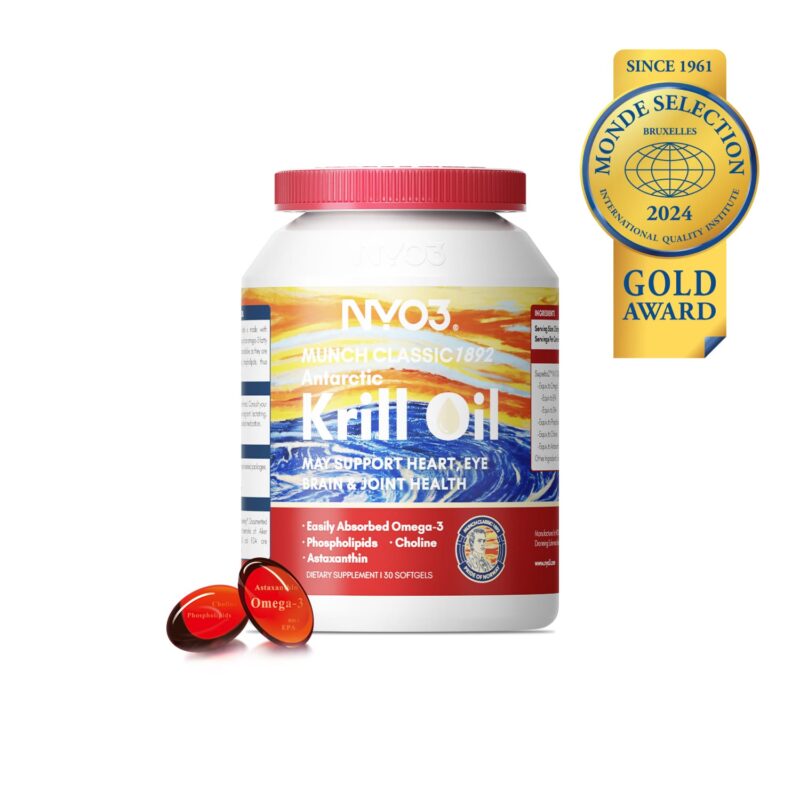
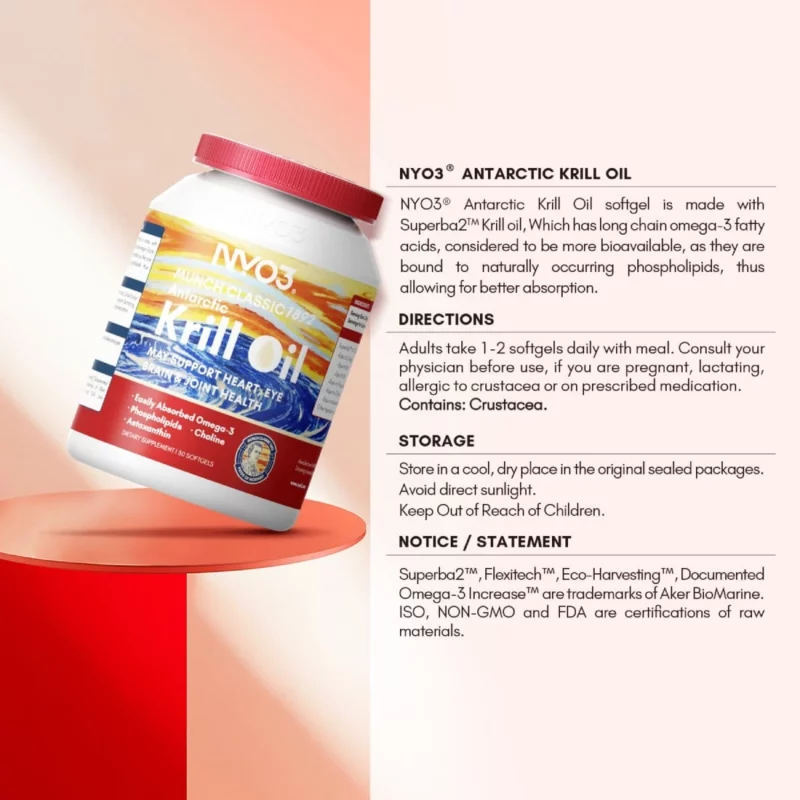
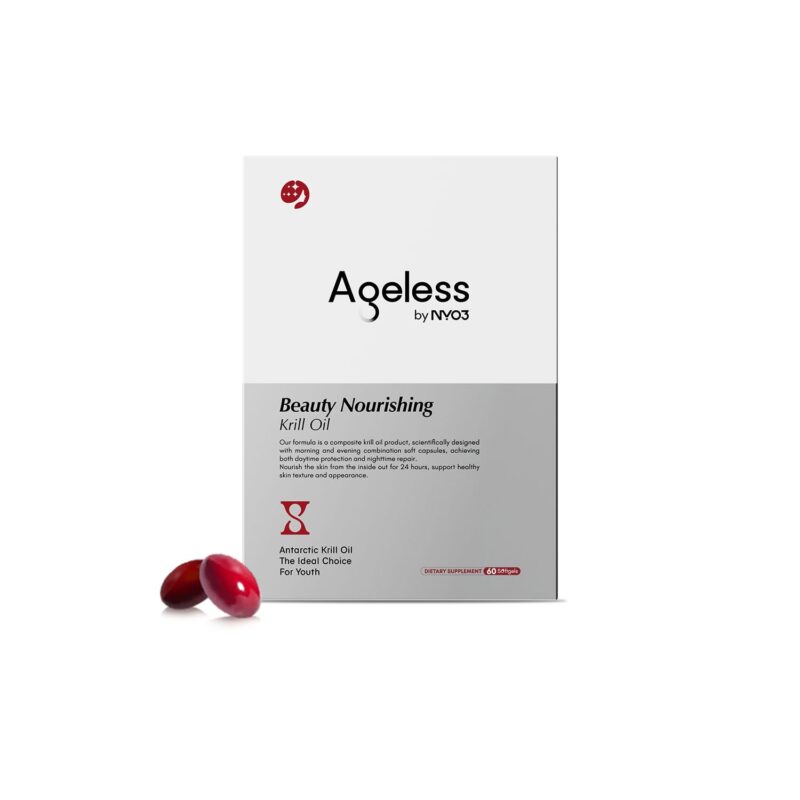
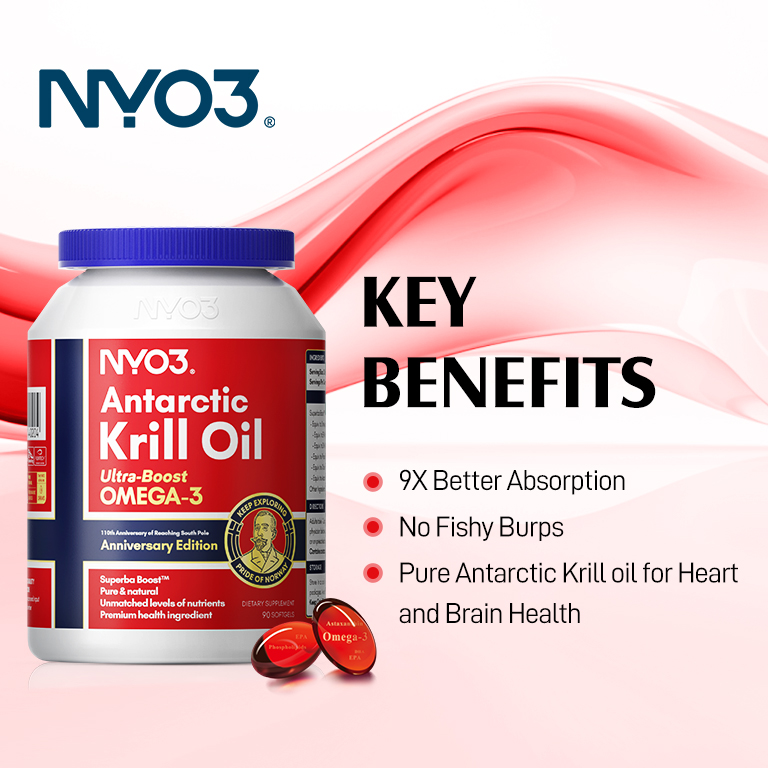
Discover our premium Omega-3 DHA Supplements, where brain and eye health meet superior nutrition. Our scientifically formulated supplements feature high-concentration docosahexaenoic acid (DHA), the essential omega-3 fatty acid critical for cognitive function, visual development, and neurological health. Sourced from sustainable marine ingredients and rigorously purified for maximum potency, our DHA supplements support mental clarity, memory, focus, and retinal health throughout all life stages. Whether you’re a student seeking cognitive enhancement, a professional requiring mental sharpness, or simply prioritizing long-term brain health, NYO3’s Omega-3 DHA Supplements deliver targeted nutrition for your most vital organs.

Shop Now

NYO3® – From Norway Pure and Simple

NYO3® provides you and your family with a specialized and diversified series of Norwegian dietary supplements for healthy lives at all ages. 

Wellness

Deeply Empowering Both Physically and Mentally, Embracing Nature, Confidence, and Freedom

Organic

Reshaping Norwegian Ecological Organic Nutrition With Natural Purity

Exploration

Exploring the Innovation of Dietary Supplementing, Deepening the Roots of Cell Regeneration

About us

NYO3, High-End Dietary Supplement Brand from Norway.

NYO3 is a dietary supplement brand from Norway. Our brand concept is “Pure and Simple”. We are pursuing sustainable development and embracing natural raw materials with simple and recyclable packaging.

Shop Now

Omega-3 DHA Supplements Buying Guide

Omega-3 DHA supplements are specialized nutritional products that contain concentrated amounts of docosahexaenoic acid (DHA), one of the most important omega-3 fatty acids for human health. Unlike general omega-3 supplements that may contain various ratios of different fatty acids, DHA-focused formulations specifically prioritize this particular compound, which is a major structural component in the brain, eyes, and nervous system. DHA is considered essential because the human body has limited ability to produce it naturally, making dietary sources or supplementation necessary.

These supplements are typically derived from marine sources such as algae, fish oil, or krill oil, with algae-based options providing a vegetarian alternative. DHA plays a crucial role in brain development, cognitive function, and visual processing. It supports neuron structure and function, helps maintain the fluidity of cell membranes, and facilitates communication between brain cells. Research suggests that adequate DHA levels may support memory, learning, mood regulation, and long-term cognitive health. Beyond neurological benefits, DHA supplements may also support cardiovascular health, reduce inflammation throughout the body, and contribute to eye health by maintaining the structural integrity of the retina.

When selecting an omega-3 DHA supplement, begin by examining the DHA content listed on the product label. Quality supplements will clearly indicate the amount of DHA per serving, not just the total omega-3 or fish oil content. For targeted brain and eye health benefits, look for products with at least 250-500mg of DHA per daily serving, though higher therapeutic amounts may be appropriate for specific conditions under healthcare provider guidance.

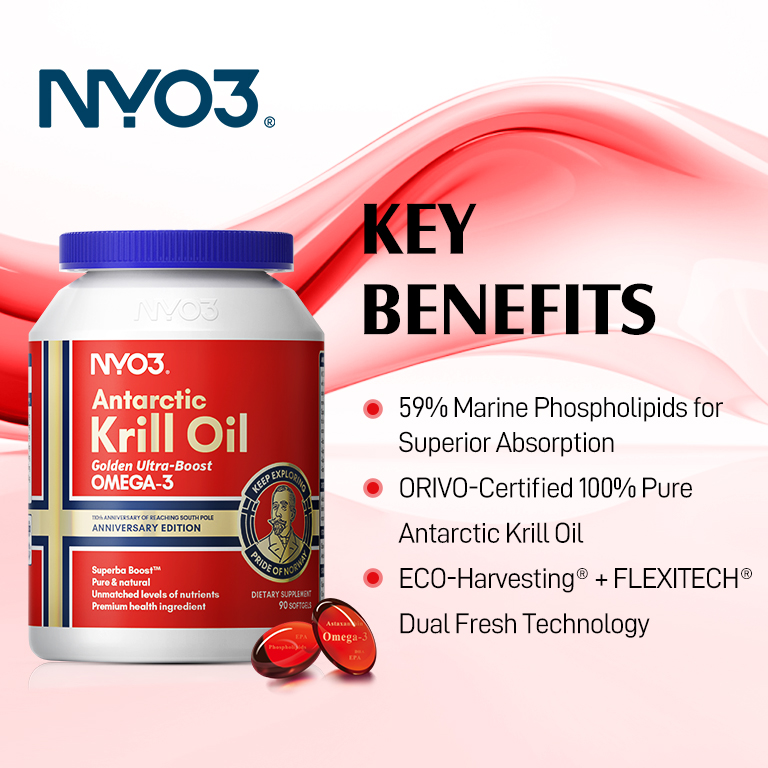
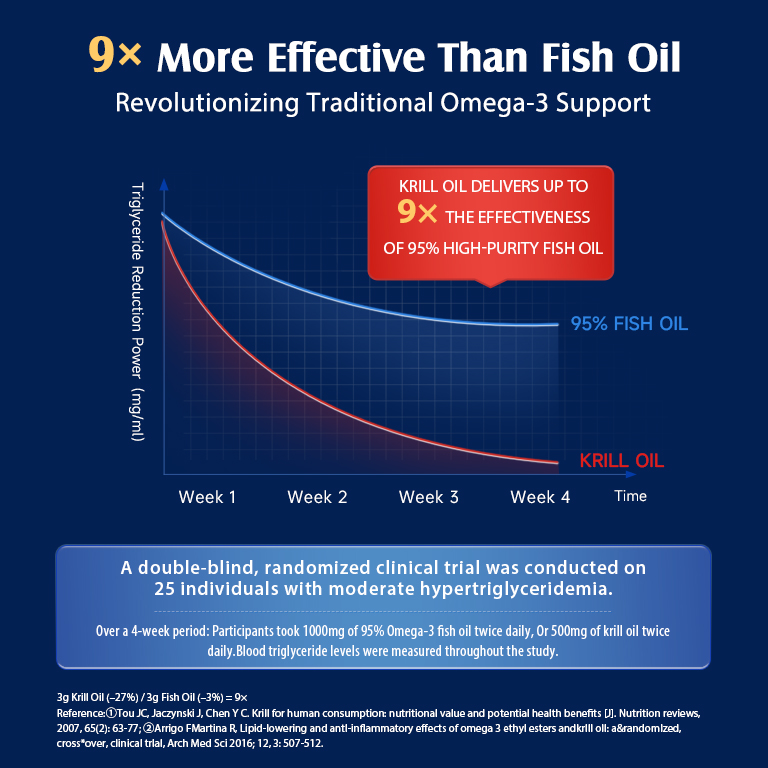
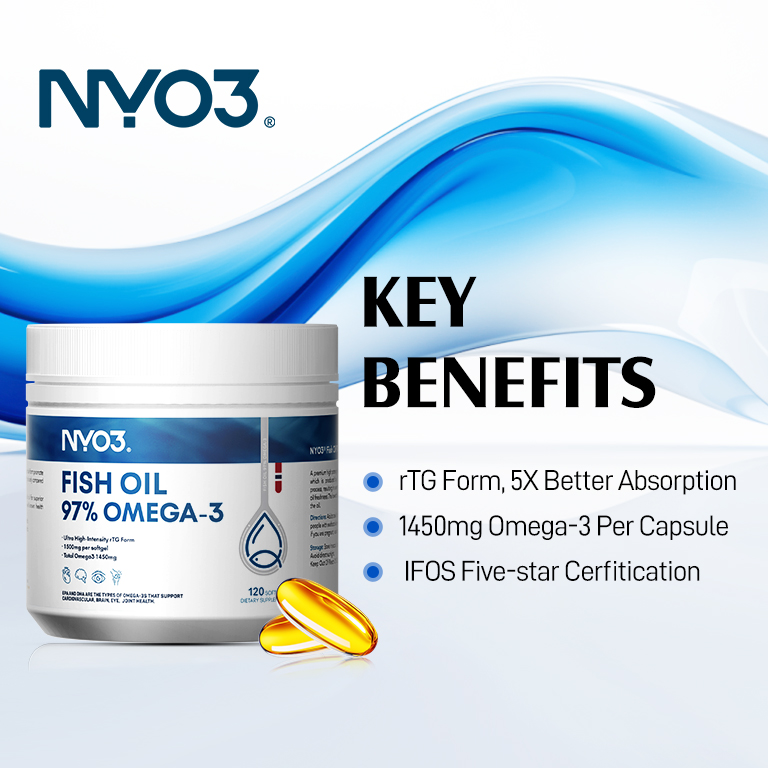
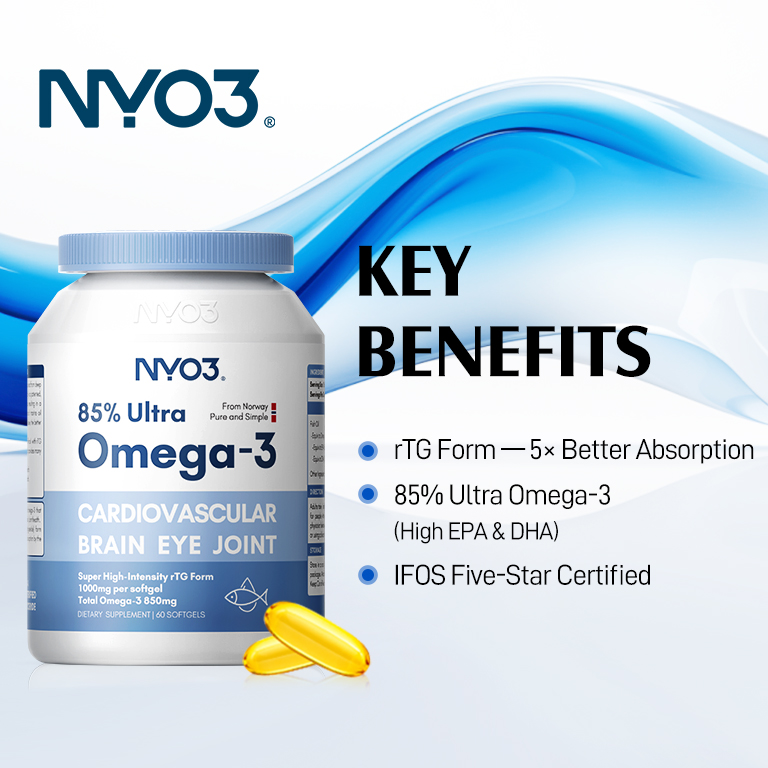
Consider the source of your DHA supplement, as this affects both quality and sustainability. Fish oil-derived DHA is common and well-studied, while algae-based DHA provides a vegetarian option that avoids concerns about marine contaminants. Krill oil offers DHA in phospholipid form, which some research suggests may be better absorbed. Regardless of source, verify that the product undergoes rigorous purification processes to remove environmental contaminants like mercury, PCBs, and dioxins. Third-party testing certifications such as IFOS (International Fish Oil Standards) or USP verification can provide assurance of quality, purity, and potency.

Pay attention to the form of the supplement and additional ingredients that may enhance effectiveness. Look for products containing natural triglyceride forms of DHA rather than ethyl esters when possible, as these may offer better absorption. Some DHA supplements include complementary nutrients like choline, phosphatidylserine, or vitamin E that may enhance cognitive benefits or provide antioxidant protection. Consider your personal preferences regarding delivery form—softgels, liquid formulations, or emulsified products that may reduce the likelihood of fishy aftertaste. Finally, evaluate the company’s reputation, manufacturing practices, and commitment to sustainability, as these factors contribute to both product quality and environmental responsibility.

Shop by Your Needs

Frequently Asked Questions

Omega-3 DHA supplements work by providing your body with docosahexaenoic acid, a critical structural fatty acid that becomes incorporated into cell membranes throughout your body, particularly in your brain and eyes. Once consumed, DHA is absorbed through your digestive system and transported via the bloodstream to tissues where it’s needed. In the brain, which contains the body’s highest concentration of DHA, this fatty acid becomes an integral component of neuronal cell membranes, enhancing their fluidity and functionality.

DHA’s presence in neural membranes facilitates efficient neurotransmission and supports synaptic plasticity—the brain’s ability to form new neural connections essential for learning and memory. It also serves as a precursor to specialized compounds called neuroprotectins and resolvins that help regulate inflammation and oxidative stress in neural tissues. In the retina, DHA maintains the structural integrity of photoreceptor cells that capture light and convert it to neural signals, supporting visual acuity and processing. Beyond these specific functions, DHA influences gene expression related to brain development, cognition, and cellular health, while also modulating inflammatory pathways throughout the body. This multi-faceted action explains why DHA supplementation may support cognitive performance, visual function, and overall neurological health.

NYO3® Omega-3 DHA Supplements are generally considered safe for most individuals when taken as directed. These supplements contain DHA, a naturally occurring fatty acid that’s essential for human health and has been extensively studied for its safety profile. The majority of people can take DHA supplements without experiencing significant adverse effects, though some may encounter mild digestive issues such as occasional burping or slight gastrointestinal discomfort when first beginning supplementation.

Quality DHA supplements like those from NYO3® likely undergo rigorous purification processes to remove environmental contaminants such as mercury, PCBs, and dioxins that can accumulate in marine sources. This purification is crucial for safety, particularly for supplements derived from fish oil. Many premium manufacturers employ molecular distillation or other advanced filtration technologies to ensure purity. It’s worth noting that algae-derived DHA supplements may have a lower risk of contamination compared to fish-derived products.

As with any supplement, certain individuals should exercise caution. Those with fish or shellfish allergies should verify the source of the DHA (with algae-based options being a safer alternative). People with bleeding disorders or those taking blood-thinning medications should consult healthcare providers before use, as omega-3s can have mild anticoagulant effects. Additionally, specific safety information about NYO3® products should be verified through the company’s official documentation, as formulations may vary between products.

Omega-3 DHA supplements may interact with certain medications, so it’s important to consult with your healthcare provider before combining them. One of the primary concerns involves blood-thinning medications or anticoagulants such as warfarin, aspirin, clopidogrel, and heparin. DHA, like other omega-3 fatty acids, has mild anticoagulant properties that could potentially enhance the effects of these medications, potentially increasing bleeding risk at higher doses.

DHA supplements may also interact with blood pressure medications, as omega-3s can have modest hypotensive effects. While this interaction is generally beneficial, it could potentially compound the effects of anti-hypertensive medications in some individuals. Additionally, there may be interactions with certain diabetes medications, as omega-3s can affect blood glucose metabolism and insulin sensitivity in some people.

To ensure safety, always disclose all supplements you’re taking to your healthcare providers, including DHA supplements. This is particularly important before any surgical procedures, as omega-3 supplements are often recommended to be discontinued 1-2 weeks before surgery due to their mild blood-thinning effects. Your doctor or pharmacist can provide personalized advice based on your specific medication regimen, health status, and dosage requirements to ensure safe supplementation.

Men should take NYO3® Omega-3 DHA Supplements according to the specific directions provided on the product packaging or as recommended by their healthcare provider. Generally, these supplements are best absorbed when taken with meals, particularly those containing some dietary fat. This approach enhances absorption and minimizes the possibility of digestive discomfort that some men experience when taking omega-3 supplements.

The recommended dosage will depend on the specific NYO3® formulation and individual health needs. For general health maintenance, adult men typically take supplements providing approximately 250-500mg of DHA daily. However, those seeking specific cognitive, cardiovascular, or athletic performance benefits may require higher amounts, ideally determined in consultation with a healthcare professional. Men with particular health concerns such as high triglycerides, cognitive decline, or inflammatory conditions might benefit from personalized dosing strategies.

Consistency is key when taking DHA supplements—beneficial effects accumulate over time as this fatty acid incorporates into cell membranes throughout the body, particularly in the brain and nervous system. Results are typically noticed after several weeks to months of regular use. Men should store their supplements in a cool, dark place, ideally in the refrigerator, to prevent oxidation and extend shelf life. For those concerned about potential fishy aftertaste, taking supplements before bedtime or choosing enteric-coated formulations can help minimize this issue. As with any supplement regimen, men should periodically review their usage with healthcare providers, particularly if they develop new health conditions or begin taking additional medications.

1
Spend $100.00 to receive this gift!