10 Benefits of Omega 3 Fish Oil for Health, Science-Backed.
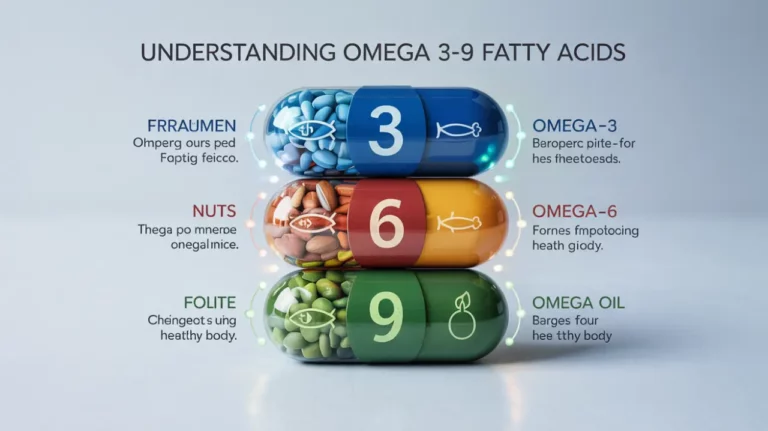
Fish oil offers many health perks that can boost your well-being. Fish oil may help lower triglycerides, reduce heart disease risk, and support brain function. It contains omega-3 fatty acids, which play key roles in your body. These healthy fats can help fight swelling and aid your heart, brain, and joints.
You can get fish oil from eating fatty fish or taking pills. The American Heart Association suggests eating fish twice a week. If you don’t eat much fish, pills might be a good choice. Fish oil may have side effects for some people, so it’s smart to talk to your doctor first. They can help you decide if fish oil is right for you and how much to take.



Understanding Fish Oil
Fish oil contains important omega-3 fatty acids that can boost your health. It comes from oily fish and is available as a supplement. Let’s look at what’s in fish oil and where you can get it.

Composition of Fish Oil
Fish oil is rich in omega-3 fatty acids, which are crucial for your body. The two main types are:
- EPA (eicosapentaenoic acid)
- DHA (docosahexaenoic acid)
These fatty acids play key roles in your body. EPA helps reduce inflammation. DHA is vital for brain function and eye health.
Fish oil also contains vitamins A and D. These support your immune system and bone health.
The amount of omega-3s can vary in fish oil. Higher-quality oils often have more EPA and DHA.
Sources of Fish Oil
You can get fish oil from eating fish or taking supplements.
Fish sources:
- Salmon
- Mackerel
- Sardines
- Tuna
- Herring
Eating fish twice a week can give you enough omega-3s. If you don’t eat fish often, supplements are an option.
Fish oil supplements come in different forms:
- Capsules
- Liquid
- Gummies
When choosing a supplement, look for ones that list the amounts of EPA and DHA. This helps you know how much omega-3 you’re getting.
Always check with your doctor before starting any new supplement.
Cardiovascular Health Benefits
Fish oil offers key benefits for your heart and blood vessels. It can improve cholesterol levels and lower your chance of heart problems.
Impact on Cholesterol and Triglycerides
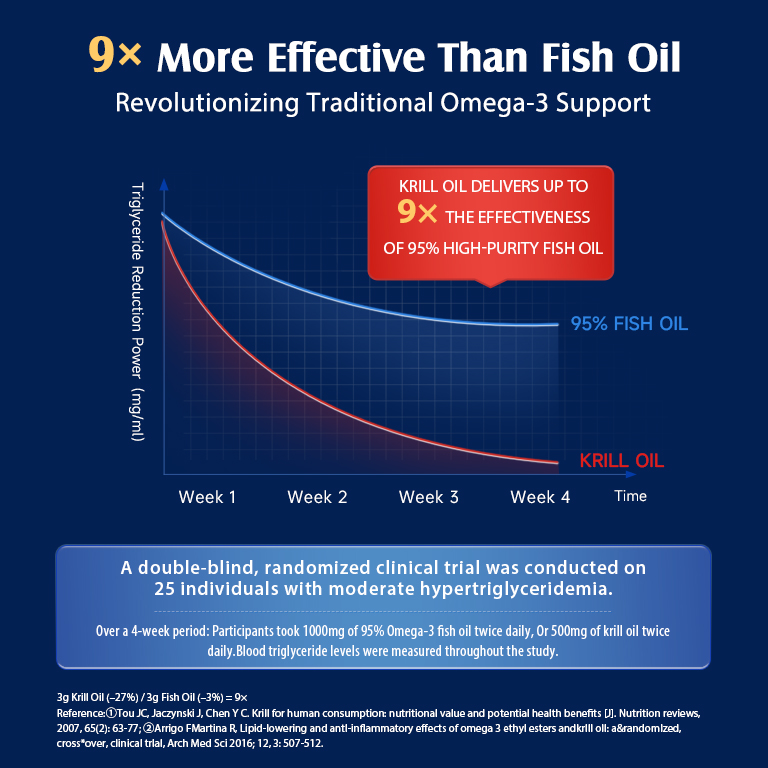
Fish oil can help balance your blood fats. It may lower your triglycerides by 20-50%. This effect is stronger if you have high levels to start. Fish oil can also raise your “good” HDL cholesterol a bit.
The omega-3 fats in fish oil work to cut down on the fats your liver makes. They also speed up how fast your body breaks down and removes triglycerides.
For the best results, aim for 2-4 grams of fish oil per day. Talk to your doctor about the right amount for you.
Reduction of Heart Disease Risks
Taking fish oil may lower your risk of heart disease. It can help keep your arteries flexible and reduce inflammation.
Fish oil may also:
- Slightly lower blood pressure
- Make your heart rhythm more stable
- Lower your risk of sudden cardiac death
Some studies show fish oil can cut heart attack risk by 25%. It may also lower your odds of dying from heart disease.
For the most benefit, eat fatty fish 2-3 times a week. You can also take fish oil supplements if you don’t eat much fish.
Supporting Mental Well-Being
Fish oil can help improve your mood and brain function. It may reduce symptoms of depression and slow mental decline as you age.
Fish Oil and Depression
Fish oil supplements may boost your mental well-being. Studies show they can ease depression symptoms in some people. The omega-3 fatty acids in fish oil play a key role in brain health.
These healthy fats help build cell membranes in your brain. They also reduce inflammation, which is linked to depression. Taking fish oil might improve your mood if you have mild depression.
But fish oil isn’t a cure-all. It works best when combined with other treatments like therapy. Talk to your doctor before starting any new supplement.
Effects on Cognitive Function
Fish oil may support normal brain function as you get older. It could help slow mental decline and lower your risk of Alzheimer’s disease.
The omega-3s in fish oil are important for your brain cells. They help these cells communicate better. This might improve your memory and thinking skills.
Some studies suggest fish oil can boost cognitive function in older adults. It may help with tasks like:
- Remembering names
- Finding words
- Solving problems
While promising, more research is needed. Fish oil alone won’t prevent all cognitive decline. A healthy diet and lifestyle are also crucial for brain health.
Joint and Bone Health
Fish oil offers important benefits for your joints and bones. It can help ease arthritis symptoms and may improve bone health in people with osteoporosis.
Alleviating Arthritis Symptoms
Fish oil can reduce joint pain and stiffness in arthritis. It fights inflammation, which is a key factor in arthritis discomfort. Studies show that fish oil may lower the number of tender joints in people with rheumatoid arthritis.
You might notice less morning stiffness and improved grip strength. Fish oil can also help you cut back on pain meds. Some people find they need less medication when taking fish oil regularly.
For best results, try taking 2-4 grams of fish oil daily. Talk to your doctor about the right dose for you. It may take a few weeks to see the benefits.
Benefits for Osteoporosis
Fish oil may help keep your bones strong as you age. It could slow bone loss in osteoporosis. Research suggests fish oil works with other nutrients to boost bone strength.
The omega-3s in fish oil might help your body absorb calcium better. This is key for building and maintaining strong bones. Fish oil may also reduce inflammation which can lead to bone loss.
You can get these benefits by eating fatty fish twice a week. If you don’t like fish, a supplement can help. Aim for 1000-2000 mg of fish oil daily for bone health. Always check with your doctor first.
Eye Health and Visual Maintenance
Fish oil can help keep your eyes healthy and maintain good vision. It may protect against serious eye problems and ease discomfort.
Preventing Macular Degeneration
Fish oil might lower your risk of age-related macular degeneration. This eye disease can harm your central vision as you get older.
The omega-3 fats in fish oil, called DHA and EPA, are important for eye health. They help protect the cells in your retina. Your retina is the part of your eye that senses light.
Eating oily fish or taking fish oil supplements may slow down macular degeneration. This can help you keep your eyesight sharp for longer.
Dealing with Dry Eye Syndrome
Fish oil can also help with dry eye syndrome. This problem makes your eyes feel scratchy and uncomfortable.
The omega-3s in fish oil reduce eye inflammation. They help your tear glands make more tears to keep your eyes moist.
Taking fish oil supplements might ease your dry eye symptoms. This can make your eyes feel better and improve your vision.
Fish oil may also boost the quality of your tears. Better-quality tears help protect the surface of your eye and keep it healthy.
Maternal and Child Health
Fish oil offers important benefits for pregnant women and their children. It supports fetal development and may improve cognitive outcomes in kids.

Fish Oil During Pregnancy
Taking fish oil supplements during pregnancy can boost your omega-3 intake. This may help your baby’s brain and eye development. Omega-3s are key building blocks for these tissues.
Fish oil might also lower your risk of preterm birth. Some studies suggest it could reduce the chance of having a very early baby.
You should aim for 200-300 mg of DHA daily while pregnant. This is an important omega-3 found in fish oil. Talk to your doctor about the right dose for you.
Impact on Cognitive Development in Children
Fish oil may give your child’s brain a head start. Some research shows that babies whose moms took fish oil score better on early cognitive tests.
These benefits might last into childhood. Kids whose moms had higher omega-3 levels often do better on:
- Problem-solving tasks
- Language development
- Memory tests
One study found improved hand-eye coordination in children at age 2.5 years. Their moms had taken fish oil supplements during pregnancy.
It’s important to note that more research is needed. Not all studies show clear benefits. The type and amount of fish oil may also matter.
Fish Oil’s Role in Inflammation and Autoimmune Diseases
Fish oil plays a key role in reducing inflammation and managing autoimmune conditions. It contains omega-3 fatty acids that can help your body fight harmful processes and improve your overall health.

Reducing Inflammation Processes
Fish oil can lower inflammation in your body. This is important because ongoing inflammation can lead to chronic health issues.
The omega-3s in fish oil work by:
- Decreasing the production of inflammatory substances
- Blocking inflammatory pathways
- Promoting anti-inflammatory molecules
These actions can help ease symptoms of inflammatory conditions. You may notice less pain and swelling in affected areas.
Fish oil’s effects can be especially helpful if you have arthritis or heart disease. It may also boost your overall well-being by reducing low-grade inflammation throughout your body.
Management of Autoimmune Conditions
If you have an autoimmune disease, fish oil might help manage your symptoms. Studies show that fish oil can be beneficial for conditions like:
- Rheumatoid arthritis
- Crohn’s disease
- Ulcerative colitis
- Lupus
Fish oil works by:
- Calming overactive immune responses
- Reducing harmful antibodies
- Balancing immune system function
These effects may lead to fewer flare-ups and milder symptoms. You might need less medication to control your condition.
Regular fish oil intake could improve your quality of life if you’re dealing with an autoimmune disorder. It’s a natural way to support your body’s healing processes.
Skin Health Advantages
Fish oil offers several benefits for your skin’s health and appearance. It can help with various skin conditions and provide anti-aging effects.
Fish Oil for Skin Conditions
Fish oil may help with skin problems like acne, psoriasis, and eczema. The omega-3 fatty acids in fish oil can reduce inflammation in your skin. This can ease redness and swelling.
For acne, fish oil might lower oil production in your skin. This could lead to fewer breakouts.
If you have psoriasis, fish oil may slow down skin cell growth. This can reduce the scaly patches on your skin.
For eczema, fish oil’s anti-inflammatory properties may soothe itchy, dry skin. It can help strengthen your skin’s barrier function.
Anti-Aging and Hydration
Fish oil can help keep your skin looking younger. The omega-3s in fish oil support your skin’s structure. This can reduce the appearance of fine lines and wrinkles.
Fish oil also boosts your skin’s hydration. It helps your skin hold onto moisture better. This can make your skin look plumper and more radiant.
The antioxidants in fish oil protect your skin from sun damage. This can help prevent premature aging caused by UV rays.
Fish oil may also improve your skin’s elasticity. This can give your skin a firmer, more youthful appearance.
Considerations When Using Fish Oil Supplements
Fish oil supplements can offer health benefits, but proper usage is key. You should be aware of dosage, purity, and potential side effects to maximize safety and effectiveness.
Dosage and Purity
When taking fish oil supplements, the right dose matters. Most adults can safely take 1-3 grams daily. Higher doses may be needed for specific conditions but should be discussed with a healthcare provider.
Look for supplements that clearly state their EPA and DHA content. These are the main beneficial omega-3 fatty acids in fish oil. A high-quality supplement will provide at least 500 mg of combined EPA and DHA per 1-gram serving.
Purity is crucial. Choose fish oil supplements that have been tested for contaminants like mercury and PCBs. Many reputable brands use third-party testing to verify purity and potency. Check the label for this information.
Understanding Potential Side Effects
While generally safe, fish oil can cause some side effects. Common mild issues include:
- Fishy burps or breath
- Digestive discomfort
- Nausea
Taking supplements with meals can help reduce these effects. Freezing the capsules may also help.
More serious side effects are rare but can include:
- Increased bleeding risk
- Low blood pressure
- Blood sugar changes in people with diabetes
If you’re on blood thinners or have a bleeding disorder, talk to your doctor before taking fish oil. They can help you weigh the potential benefits against any risks.
Always start with a lower dose and increase gradually to minimize side effects. If you experience any unusual symptoms, stop taking the supplement and consult your healthcare provider.
Scientific Research and Evidence
Fish oil has been the subject of many studies. Research shows it may help with heart health and inflammation. Some studies also look at its effects on brain function and joint pain.
Analyzing Clinical Trials
Clinical trials on fish oil have looked at its impact on different health issues. Many use a placebo-like mineral oil or corn oil to compare results. These trials often focus on heart health.
Some key findings:
• Fish oil may lower triglycerides
• It might reduce the risk of heart attacks
• Results on blood pressure are mixed
Not all studies show the same benefits. The type and amount of fish oil used can affect outcomes. Larger, longer trials are still needed in some areas.
Fish Oil in Preventive Healthcare
Fish oil shows promise in preventing certain health problems. You may lower your risk of cardiovascular events by taking it regularly. Some doctors suggest it to patients at risk of heart disease.
Other potential preventive benefits:
• Reduced inflammation
• Better brain function as you age
• Healthier joints
Fish oil might also help with mood and skin health. But more research is needed. Talk to your doctor before starting any new supplement. They can help you decide if fish oil is right for you.
Frequently Asked Questions
What are the health advantages of taking fish oil for women?
Fish oil may help women’s health in multiple ways. It can support heart health and reduce inflammation. Fish oil might also ease menstrual pain and improve mood.
During pregnancy, it may aid fetal brain development. For older women, fish oil could help maintain bone density.
How does fish oil contribute to skin health?
Fish oil can benefit your skin’s appearance and health. It may help keep skin hydrated and reduce inflammation.
This can lead to fewer acne breakouts and a more youthful look. Fish oil’s omega-3 fatty acids might also protect your skin from sun damage.
What are the potential side effects of consuming fish oil?
While generally safe, fish oil can cause some side effects. You might experience fishy burps or bad breath.
Some people report digestive issues like nausea or diarrhea. In rare cases, fish oil may interact with blood-thinning medications.
In what ways can men benefit from fish oil supplementation?
Men can gain several health benefits from fish oil. It may improve heart health by lowering triglycerides and blood pressure.
Fish oil might boost male fertility by improving sperm quality. It could also help reduce inflammation and support joint health.
Can regular intake of fish oil improve hair condition?
Fish oil may contribute to healthier hair. Its omega-3 fatty acids can nourish hair follicles and promote hair growth.
It might also add shine to your hair and reduce dryness of the scalp. However, more research is needed to confirm these effects
Are there any specific groups of people who should avoid fish oil supplements?
Some people should be cautious with fish oil supplements. If you have a fish or shellfish allergy, consult your doctor before taking fish oil.
Those on blood-thinning medications should also seek medical advice. People with diabetes need to monitor their blood sugar levels when taking fish oil.
Conclusion
Fish oil offers many health benefits. It can improve heart health by lowering triglycerides and blood pressure. Fish oil may also help reduce inflammation in your body. Getting enough omega-3s from fish oil is key for brain function and development.
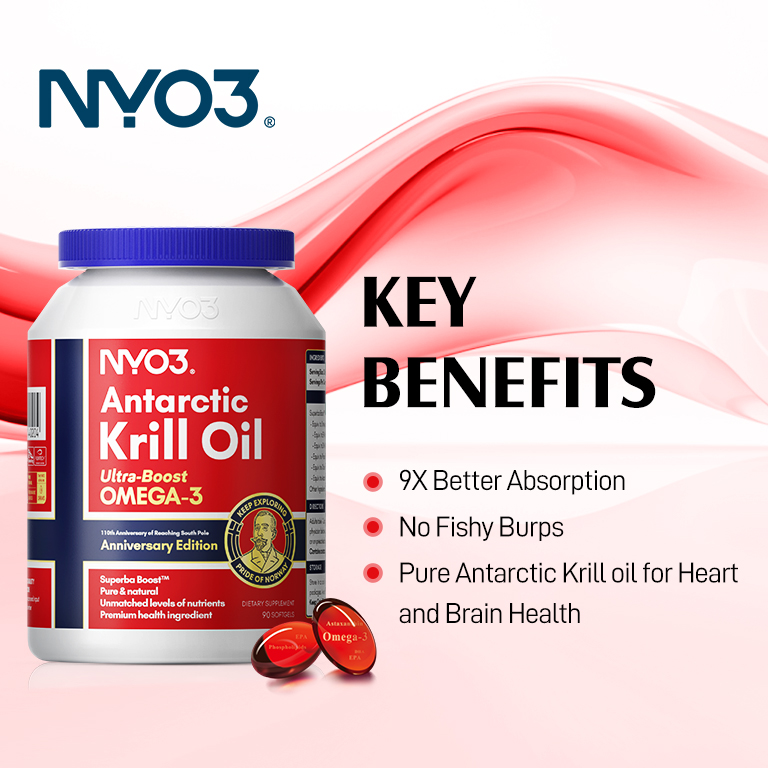
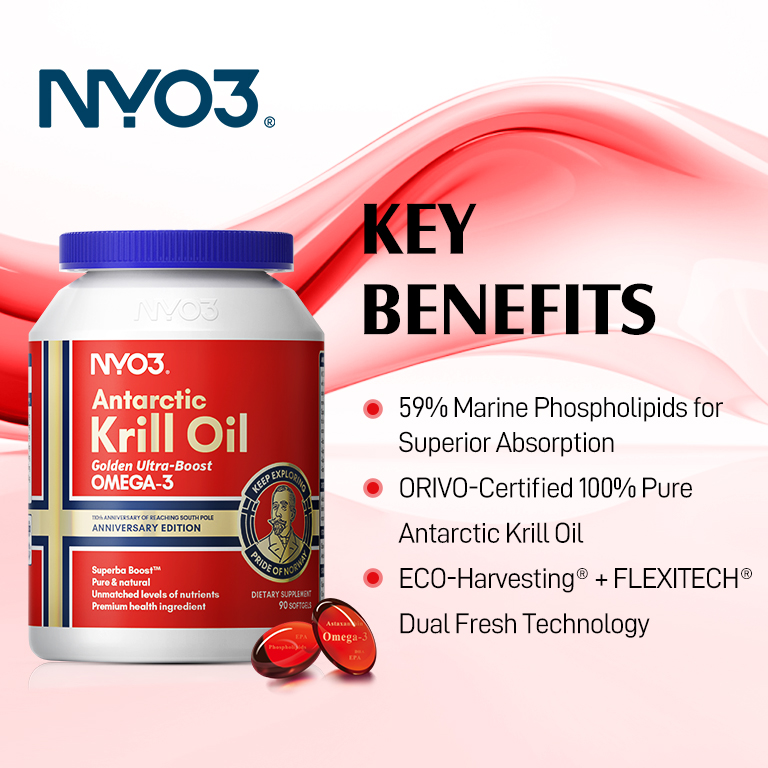
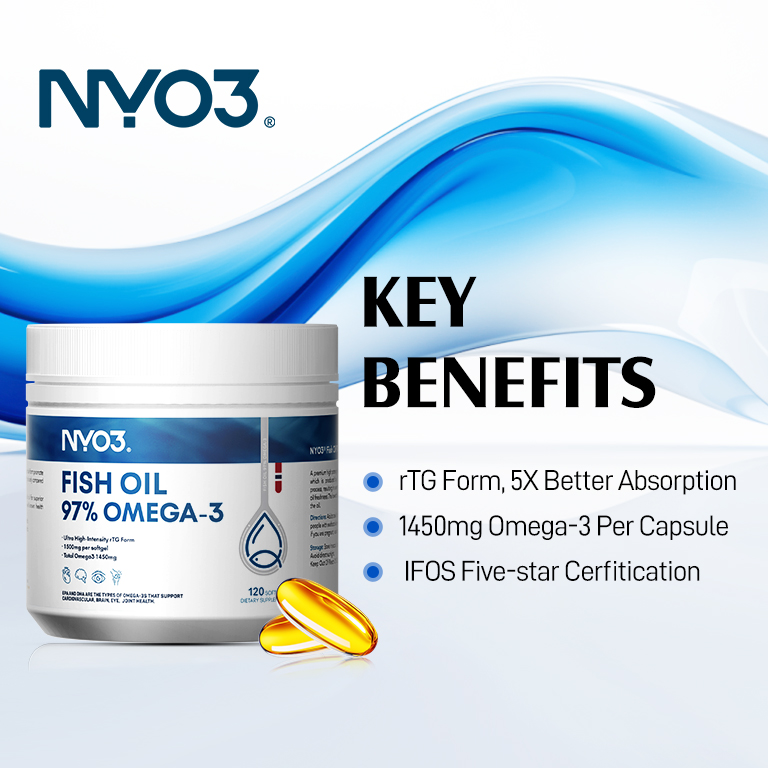
For high-quality fish oil, try NYO3® omega-3s fish oil products. Their fish oils are pure and tested for contaminants. Adding NYO3® fish oil to your diet can help you get the omega-3s your body needs. Talk to your doctor about the right dosage for your health goals.