
8 Proven Krill Oil Benefits for Skin!
Looking for a natural way to improve your skin? Krill oil offers powerful benefits for skin health thanks to its unique combination of omega-3 fatty acids and antioxidants. These tiny Antarctic crustaceans produce an oil that’s gaining attention in the skincare world.
Krill oil helps reduce inflammation, boost collagen production, and protect against UV damage while keeping your skin moisturized and elastic. What makes it special is a potent antioxidant called astaxanthin, which sets it apart from regular fish oil supplements.
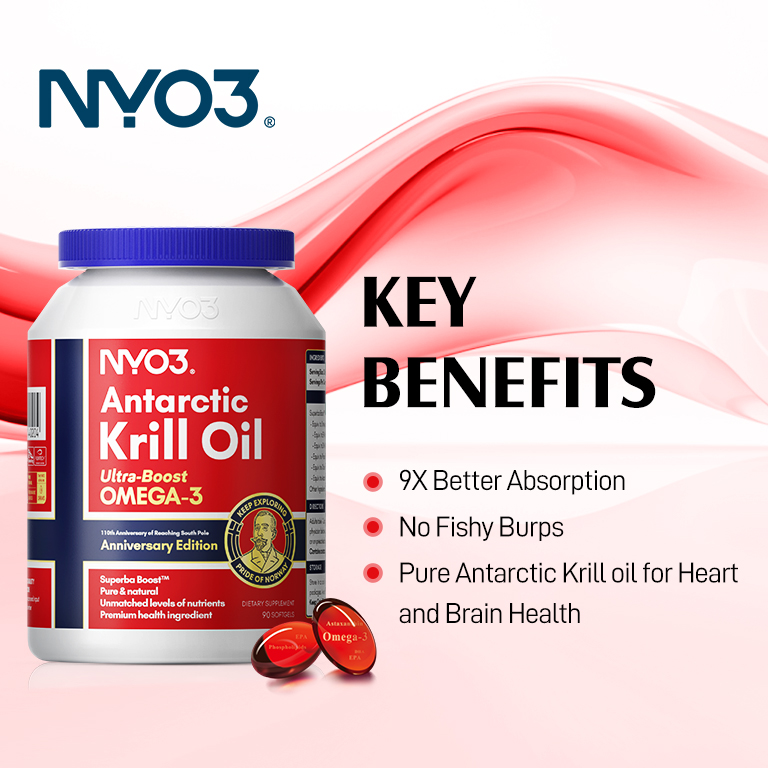

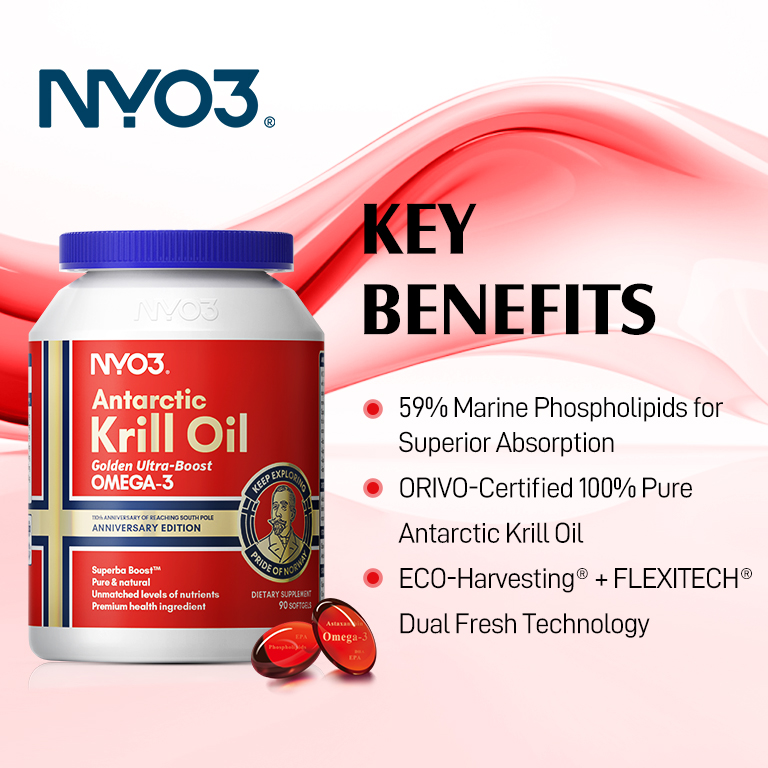
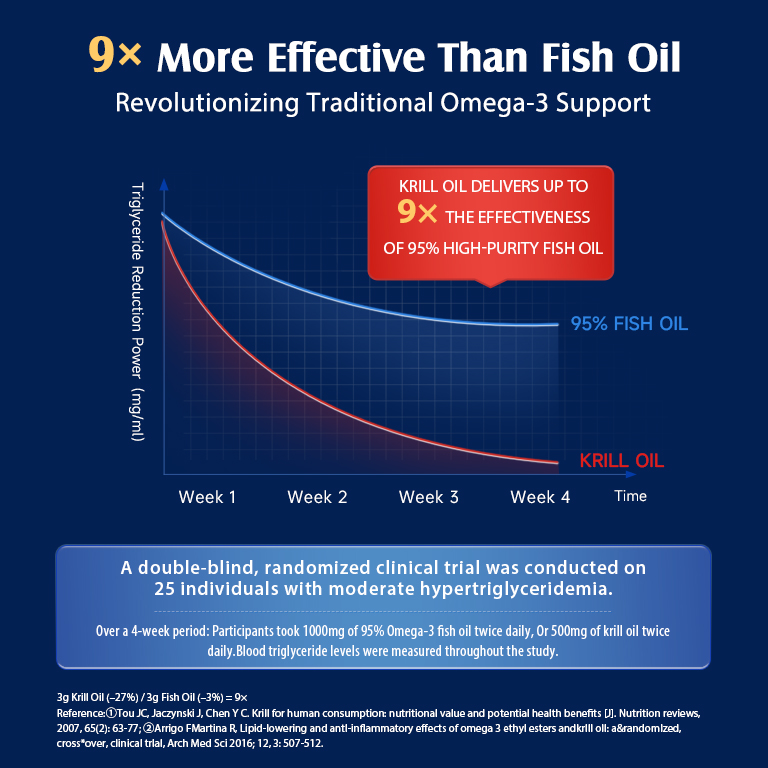
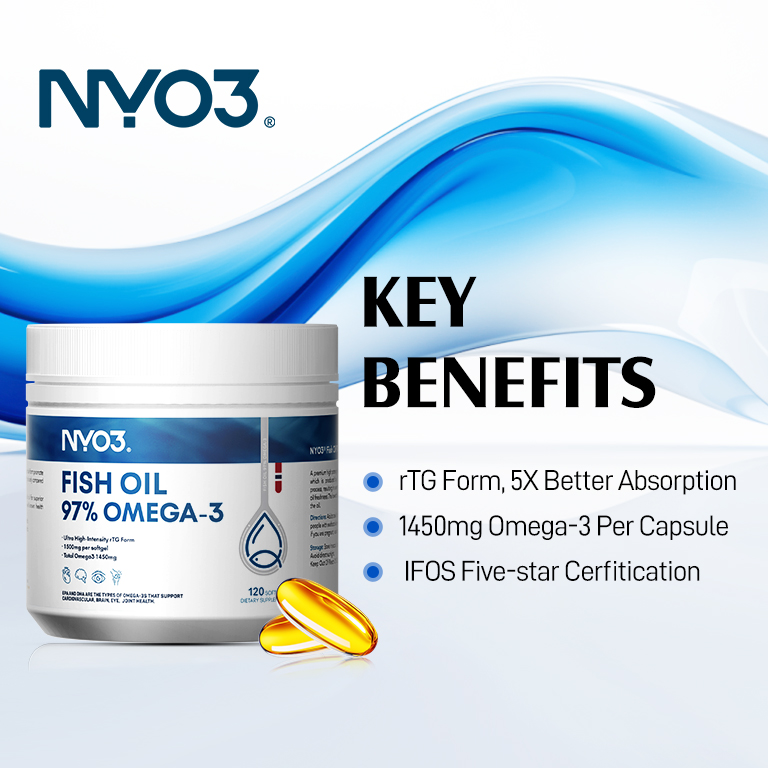

Your skin can benefit from taking krill oil supplements or using skincare products that contain krill oil. The omega-3s in krill oil support many body systems while helping your skin maintain its natural barrier and fight signs of aging. This makes it a valuable addition to your daily skincare routine.
Composition of Krill Oil
Krill oil contains a unique mix of powerful compounds that work together to support skin health. Antarctic krill oil is packed with essential nutrients in a highly bioavailable form.
Unique Phospholipid Structure
The phospholipids in krill oil make it different from other marine oils. Over 50% of krill oil’s composition consists of phospholipids, which help your body absorb the beneficial compounds more effectively.
Phospholipids carry omega-3s directly to your cells, making them easier for your body to use compared to other forms of marine oils.
Choline, an essential nutrient found in these phospholipids, supports cell membrane health and helps maintain skin barrier function.
Rich in Omega-3 Fatty Acids
Krill oil provides two key omega-3 fatty acids: EPA and DHA. These essential fats play vital roles in skin health and appearance.
EPA helps regulate oil production in your skin and reduces inflammation that can lead to redness and irritation.
DHA strengthens cell membranes and helps your skin retain moisture, keeping it plump and hydrated.
Powerful Antioxidants Presence
Astaxanthin stands out as the star antioxidant in krill oil. This red-orange compound gives krill oil its distinctive color.
Astaxanthin is 100 times stronger than vitamin E in fighting free radicals that damage skin cells.
Your skin gets extra protection from the combination of astaxanthin and vitamin E working together to prevent oxidative stress and environmental damage.
The antioxidants in krill oil remain stable thanks to the phospholipid structure, ensuring they stay potent and effective for your skin.
Specific Advantages for Skin Health
Krill oil provides powerful benefits for the skin through its unique combination of omega-3 fatty acids and antioxidants. These nutrients work together to support your skin’s natural processes and promote a healthier appearance.

Hydrating and Moisturizing Effects
Krill oil’s omega-3s help prevent water loss through your skin barrier. This natural moisturizing effect keeps your skin hydrated from the inside out.
The phospholipid structure in krill oil makes it easier for your cells to absorb and use these beneficial fats. This helps strengthen your skin’s protective barrier.
When your skin barrier is strong, it retains moisture better. This reduces dryness and flaking while promoting smoother, more supple skin.
Anti-aging and Wrinkle Reduction
Research shows krill oil protects against UV damage that can cause premature aging. Its antioxidants fight free radicals that break down collagen.
The omega-3s in krill oil support natural collagen production. This helps reduce the appearance of fine lines and wrinkles.
Your skin becomes firmer and more elastic with regular krill oil supplementation. The anti-inflammatory properties also help reduce puffiness and promote an even skin tone.
Support for Acne and Skin Tone
Krill oil’s anti-inflammatory effects can help reduce redness and irritation associated with acne breakouts.
The antioxidants in krill oil promote more balanced oil production in your skin. This may lead to fewer clogged pores and breakouts.
Regular use helps fade dark spots and hyperpigmentation. The omega-3s and antioxidants work together to promote a more even skin tone and a natural, healthy glow.
Anti-Inflammatory Actions
Krill oil contains powerful compounds that fight inflammation throughout your body. These natural substances work to reduce redness and swelling in both your skin and joints.
Reduction of Skin Inflammation
Krill oil’s omega-3 fatty acids help calm irritated skin and reduce redness. When applied topically or taken as a supplement, it can ease symptoms of sensitive skin conditions.
If you have eczema or rosacea, krill oil’s anti-inflammatory properties may provide relief. The EPA and DHA in krill oil work to balance your skin’s inflammatory response.
Your skin becomes less prone to redness and irritation with regular krill oil use. These benefits come from its unique phospholipid structure that helps your body absorb the anti-inflammatory compounds more easily.
Implications for Arthritis
Krill oil’s anti-inflammatory effects extend beyond skin health to joint comfort. The omega-3s target inflammation in your joints and can reduce arthritis pain.
Daily krill oil intake may:
- Decrease joint swelling
- Lower pain levels
- Improve mobility
- Reduce morning stiffness
Your joints can benefit from krill oil’s ability to regulate inflammatory responses. The antioxidants in krill oil also protect your joint tissue from further damage while supporting healing.
Antioxidant Effects on Skin
Krill oil contains powerful antioxidants like astaxanthin that protect your skin cells from damage. These compounds work at both surface and deeper skin layers to maintain skin health.

Combating Free Radicals
Free radicals cause oxidative stress that can damage skin cells and speed up aging. The antioxidants in krill oil neutralize these harmful molecules before they can harm your skin.
The astaxanthin in krill oil is particularly effective at fighting free radical damage. It works up to 10 times better than other common antioxidants.
Your skin needs constant protection from these damaging molecules that form during normal cell processes. Taking krill oil helps build up your skin’s natural antioxidant defenses.
Protecting Against Environmental Stress
Krill oil helps shield your skin from environmental factors like UV radiation, pollution, and harsh weather. The antioxidants create a protective barrier that reduces environmental damage.
Daily exposure to sun and pollution generates free radicals in your skin. Krill oil’s antioxidants help prevent this damage before it leads to premature aging.
The protective effects help maintain your skin’s natural barrier function. This keeps moisture in while blocking harmful elements from penetrating deeper skin layers.
Regular use strengthens your skin’s defense systems against daily environmental stress. This helps preserve your skin’s healthy appearance and natural radiance.
Impact on Skin Elasticity and Firmness
Krill oil helps maintain skin elasticity and firmness through its omega-3 fatty acids and antioxidant properties. These nutrients work together to strengthen your skin’s structure and support natural regeneration.

Enhancing Skin’s Elastic Properties
Your skin needs proper nutrients to maintain its bounce and flexibility. Krill oil contains essential fatty acids that help protect and strengthen your skin’s barrier.
The omega-3s in krill oil help your skin cells retain moisture. This increased hydration helps keep your skin supple and resilient.
When your skin has better elasticity, it can better resist sagging and maintain its shape after being stretched or pulled.
Promoting Collagen Synthesis
Krill oil supports natural collagen production, which is vital for maintaining firm and youthful-looking skin.
The nutrients in krill oil protect existing collagen from damage while encouraging your body to produce more. This helps maintain your skin’s structural integrity.
Your skin’s firmness depends heavily on collagen levels. As you age, collagen production naturally decreases, but krill oil’s nutrients can help support continued collagen synthesis.
The antioxidants in krill oil also protect your skin cells from damage that could otherwise break down collagen and elastin fibers.
Cardiovascular Health and Skin
Krill oil offers unique benefits for your heart and skin through its special combination of omega-3s and antioxidants. The nutrients in krill oil work together to protect both your cardiovascular system and skin health simultaneously.
Reducing Risk Factors for Heart Disease
Krill oil supports cardiovascular health by fighting inflammation and improving blood flow. Its omega-3 fatty acids help prevent blood clots and reduce inflammation in blood vessels.
The antioxidant astaxanthin in krill oil protects your blood vessels from damage. This protection extends to the tiny blood vessels that nourish your skin.
When your circulation improves, your skin receives more oxygen and nutrients. This boost in blood flow helps your skin maintain its healthy glow and repair itself.
Maintaining Healthy Cholesterol Levels
Krill oil may reduce LDL (bad) cholesterol and triglycerides in your bloodstream. Lower levels of these fats help keep your arteries clear.
The phospholipid form of omega-3s in krill oil makes them easier for your body to absorb than other fish oils. This improved absorption helps your body better regulate cholesterol.
Better cholesterol control means healthier blood vessels, which leads to better-nourished skin cells. Your skin becomes more radiant when the tiny blood vessels beneath its surface work efficiently.
Enhanced Absorption Benefits
Krill oil contains unique phospholipids that make it easier for your body to absorb essential nutrients. The special structure of these phospholipids matches your cell membranes, creating a more efficient delivery system.
Superior Nutrient Uptake
Krill oil’s phospholipid form helps transport omega-3s directly into your cells. This natural structure means you don’t need digestive enzymes to break it down first.
The phospholipids protect the omega-3s from stomach acid, allowing more nutrients to reach your bloodstream intact.
Your skin cells can use these nutrients immediately, unlike other forms of omega-3s that require extra processing by your body.
Optimizing the Effectiveness of Supplementation
Taking krill oil with a meal containing some healthy fats can boost its absorption rate. Your body absorbs up to 65% more EPA and DHA from krill oil compared to fish oil.
The nutrients in krill oil enter your bloodstream faster, which means quicker delivery to your skin cells.
Set a regular schedule for taking krill oil supplements – consistency helps maintain steady nutrient levels in your system.
Store your krill oil in a cool, dark place to protect its potency. Fresh supplements work better for nutrient absorption.
Effects on Other Body Systems
Krill oil supplements contain omega-3s that work beyond skin health to support your joints and brain function. The omega-3 fatty acids help reduce inflammation and improve cell function throughout your body.
Support for Joint Health
Your joints need proper care to stay flexible and pain-free. Krill oil helps reduce joint inflammation and stiffness through its anti-inflammatory properties.
The omega-3s in krill oil target joint tissue directly. This helps decrease discomfort and improve mobility in your knees, hips, and other joints.
Regular krill oil intake can help protect your joint cartilage from wear and tear. Many people notice less morning stiffness and a better range of motion after taking krill oil supplements.
Brain Health and Cognitive Function
The omega-3s found in krill oil are essential building blocks for your brain cells. They help maintain healthy brain function and protect against cognitive decline.
DHA, a key omega-3 in krill oil, makes up a large portion of your brain tissue. Getting enough DHA supports memory, focus, and mental clarity.
Your brain needs proper fat levels to function well. Krill oil’s unique phospholipid structure helps these beneficial fats cross the blood-brain barrier more effectively.
Taking krill oil regularly may improve your concentration and mental performance. It can also help protect your brain cells from oxidative stress and aging.
Recommended Krill Oil Dosage
Taking the right amount of krill oil is essential for getting the best skin benefits. The ideal dosage depends on your specific needs and health goals.
Determining Your Optimal Intake
The standard daily krill oil dose ranges from 1,000 to 3,000 mg per day. Start with a lower dose of 1,000 mg and adjust based on your body’s response.
If you’re new to krill oil supplements, begin with 500 mg daily for the first week to let your body adjust.
For skin health benefits, you’ll need at least 250 mg of omega-3s daily, which typically comes from 1-1.5 grams of high-quality krill oil.
Integration into Your Daily Routine
Take your krill oil supplement with food to improve absorption and reduce the chance of digestive discomfort.
Split larger doses into two servings – one in the morning and one in the evening – to maintain steady levels in your system.
Important tips:
- Store bottles in a cool, dark place
- Take with meals containing some healthy fats
- Set a daily reminder on your phone
- Check the expiration date regularly
You might need 8-12 weeks of consistent use to see noticeable improvements in your skin’s appearance.
Understanding the Largest Organ: Our Skin
Your skin acts as a vital shield for your body while reflecting your health status. It consists of three main layers that work together to protect you from harm and regulate important bodily functions.
Skin as the Protective Barrier
The skin is the largest organ in the body, made up of three distinct layers: epidermis, dermis, and subcutaneous tissue. Each layer serves specific protective functions.
Your epidermis forms the outer barrier that blocks harmful UV rays and prevents water loss. This layer continuously renews itself every 28 days.
The dermis contains collagen and elastin fibers that give your skin strength and flexibility. It also houses blood vessels, nerve endings, and oil glands.
The deepest layer, the subcutaneous tissue, helps regulate your body temperature and stores energy in the form of fat.
Maintaining Overall Skin Health
Your skin needs proper nutrition and care to function effectively. A healthy diet rich in essential nutrients helps maintain your skin’s natural barrier.
Protecting your skin from environmental damage is crucial. Use sunscreen daily and avoid excessive UV exposure that can harm your skin cells.
Stay hydrated by drinking enough water throughout the day. This helps maintain your skin’s elasticity and supports its natural repair processes.
Regular cleansing and moisturizing help remove dirt and keep your skin hydrated. Choose gentle products that won’t disrupt your skin’s natural balance.
Frequently Asked Questions
What are the dermatological benefits of taking krill oil supplements?
Krill oil helps improve facial skin by maintaining moisture levels and supporting natural repair processes. The omega-3 fatty acids help maintain skin barrier function.
The antioxidant astaxanthin in krill oil fights free radicals that can damage skin cells. This helps protect your skin’s natural health and appearance.
How does krill oil contribute to skin hydration and elasticity?
The phospholipids in krill oil help your skin retain moisture more effectively. This increased hydration helps maintain the skin’s natural bounce and flexibility.
Your skin cells use the omega-3 fatty acids to build stronger cell membranes. This leads to better moisture retention and improved elasticity.
Can krill oil reduce the appearance of wrinkles or fine lines?
The nutrients in krill oil support your skin’s natural collagen production. This helps maintain skin firmness and reduce the appearance of fine lines.
The antioxidants protect existing collagen from breaking down. This helps preserve your skin’s natural structure and smoothness.
Is there evidence to suggest krill oil aids in protecting the skin from sun damage?
The astaxanthin in krill oil acts as an internal sunscreen supplement. It helps protect skin cells from UV damage, though it does not replace regular sunscreen.
This antioxidant accumulates in your skin over time with regular krill oil use. It provides an extra layer of protection against sun-related skin stress.
Are there any anti-inflammatory effects of krill oil that benefit the skin?
Krill oil contains powerful anti-inflammatory compounds that help calm skin irritation. These compounds reduce redness and skin sensitivity.
The omega-3s work to balance your skin’s inflammatory response. This helps maintain a more even and comfortable complexion.
How does krill oil compare to other omega-3 sources in terms of skin health?
Krill oil’s omega-3s are bound to phospholipids, making them easier for your body to absorb. This means better delivery of nutrients to your skin.
Unlike fish oil, krill oil contains astaxanthin. This unique antioxidant provides extra skin protection benefits not found in other omega-3 supplements.
Conclusion
Your skin can greatly benefit from krill oil’s unique properties. The powerful blend of omega-3s helps maintain skin health and appearance.
The high levels of antioxidants in krill oil fight free radicals and protect your skin from damage. Your skin receives better protection against environmental stressors.
Adding krill oil to your daily routine supports natural skin hydration. The phospholipid structure helps deliver nutrients directly to your skin cells.
You can take krill oil supplements or use skincare products that contain this ingredient. Regular use can lead to improvements in skin texture and appearance.
Remember to speak with your healthcare provider before starting any new supplement routine. This ensures krill oil is safe for your specific situation.