Docosahexaenoic Acid (DHA): Benefits, Sources, and Health Insights.
Docosahexaenoic acid (DHA) is an omega-3 fatty acid that plays a crucial role in your body’s health. You may have heard about it in relation to fish oil supplements or prenatal vitamins, but understanding its full benefits can help you make better health decisions. DHA is an important component of your brain, eyes, and skin, making it essential for normal brain development and function throughout life.
Found primarily in cold-water fish like tuna and salmon, DHA offers numerous health advantages beyond just brain health. Your heart, immune system, and even your mood can benefit from adequate DHA levels. Many people don’t get enough of this vital nutrient through diet alone, which is why supplements have become increasingly popular.

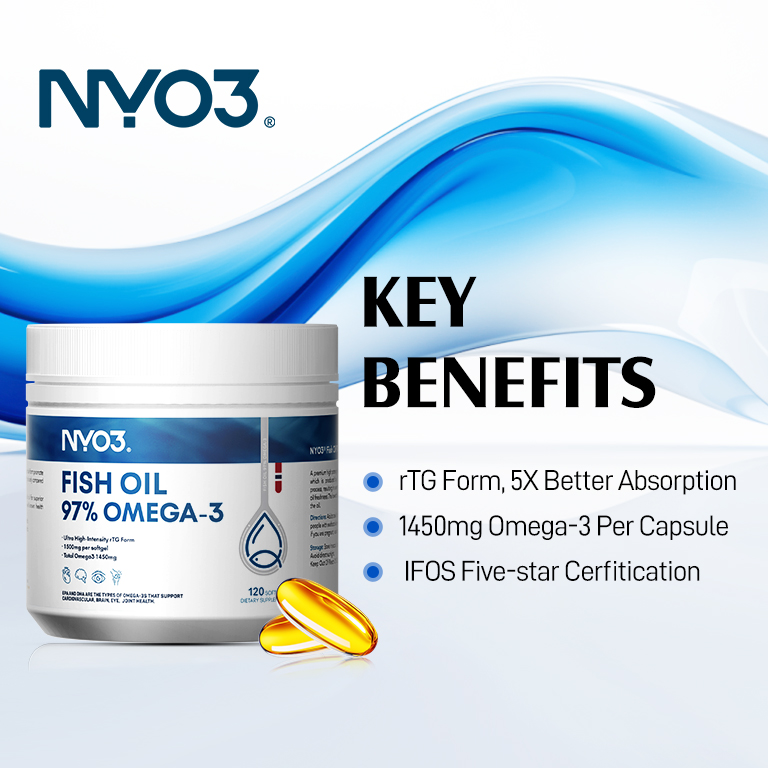

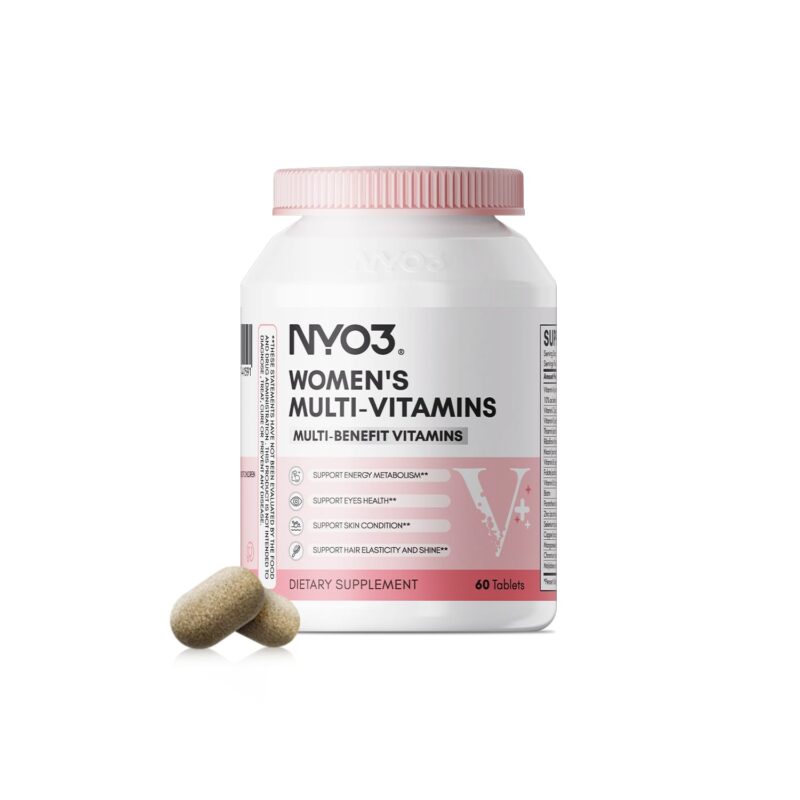
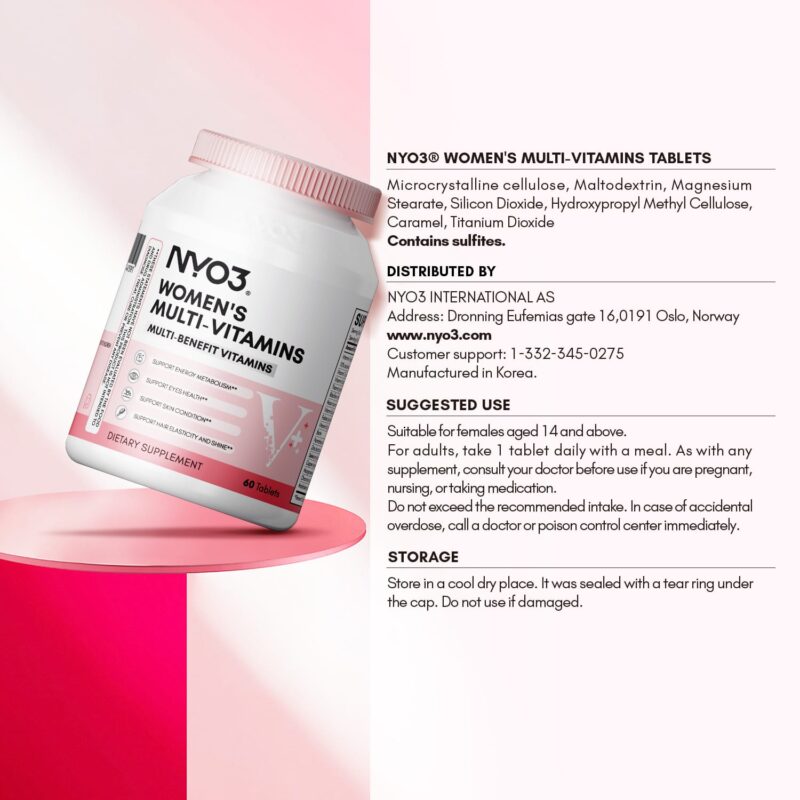
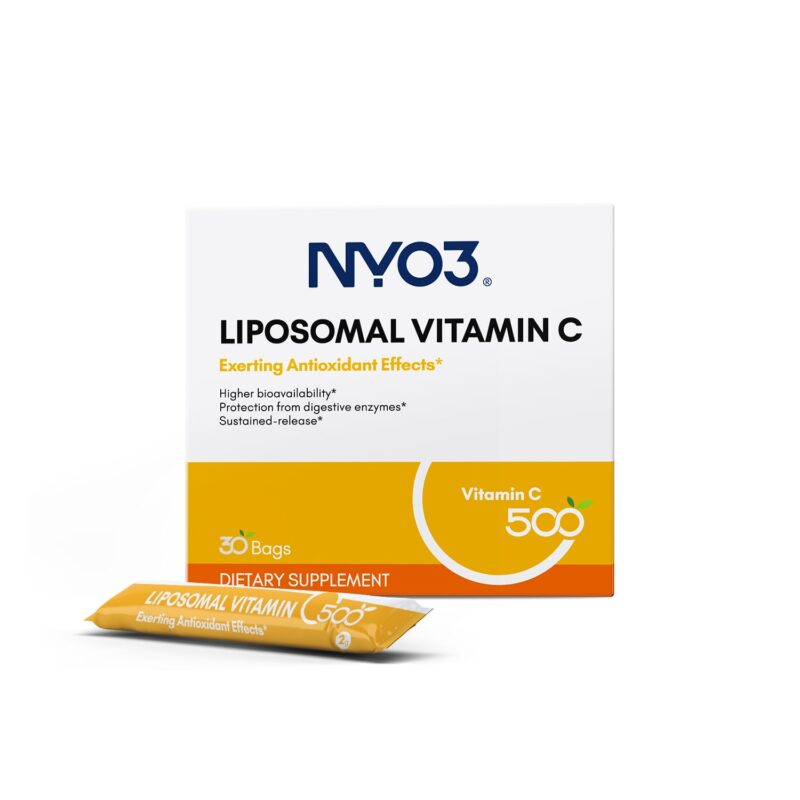
As you consider your nutritional needs, knowing about DHA’s role as an antineoplastic agent and its involvement in various bodily functions can help you make informed choices. From supporting pregnancy health to potentially improving heart conditions, this remarkable fatty acid deserves your attention.
What Is Docosahexaenoic Acid (DHA)?
Docosahexaenoic acid (DHA) is an omega-3 fatty acid that plays a crucial role in human health, particularly for your brain, eyes, and heart. This essential nutrient is found naturally in cold-water fish and is vital for the proper development and functioning of your body.

Chemical Structure of DHA
DHA has a unique molecular structure that gives it special properties in your body. It’s technically known as 4,7,10,13,16,19-docosahexaenoic acid, which describes the locations of its six double bonds.
DHA is a long-chain polyunsaturated fatty acid with 22 carbon atoms and 6 double bonds. The “hexaenoic” in its name refers to these six double bonds, which create a flexible, curved shape.
This distinctive structure allows DHA to incorporate efficiently into cell membranes, especially in your brain and retina. The flexibility of DHA helps maintain proper membrane fluidity, which is essential for normal cell function.
Your body can produce small amounts of DHA from other omega-3 fatty acids, but this conversion is often inefficient. This is why getting DHA directly from your diet or supplements is important.
Comparison With Other Omega-3 Fatty Acids
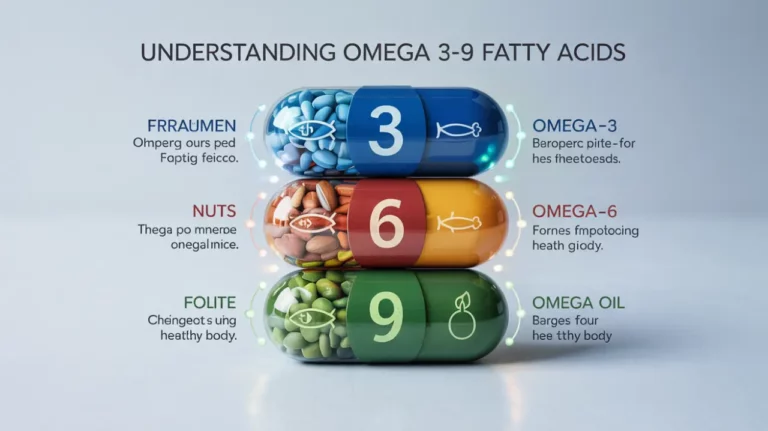
DHA is one of three main omega-3 essential fatty acids, alongside eicosapentaenoic acid (EPA) and alpha-linolenic acid (ALA). Each has unique benefits for your health.
DHA differs from EPA in its length and number of double bonds. EPA has 20 carbon atoms and 5 double bonds, while DHA has 22 carbon atoms and 6 double bonds. This structural difference affects how each functions in your body.
Both DHA and EPA are found in fish oil and have similar but distinct effects:
- DHA: Particularly important for brain and eye health
- EPA: Often associated with heart health and reducing inflammation
ALA, found in plant sources like flaxseed, must be converted to EPA and then DHA in your body—a process that isn’t very efficient in humans.
While all omega-3s are beneficial, DHA is especially crucial for brain development in infants and cognitive function throughout life.
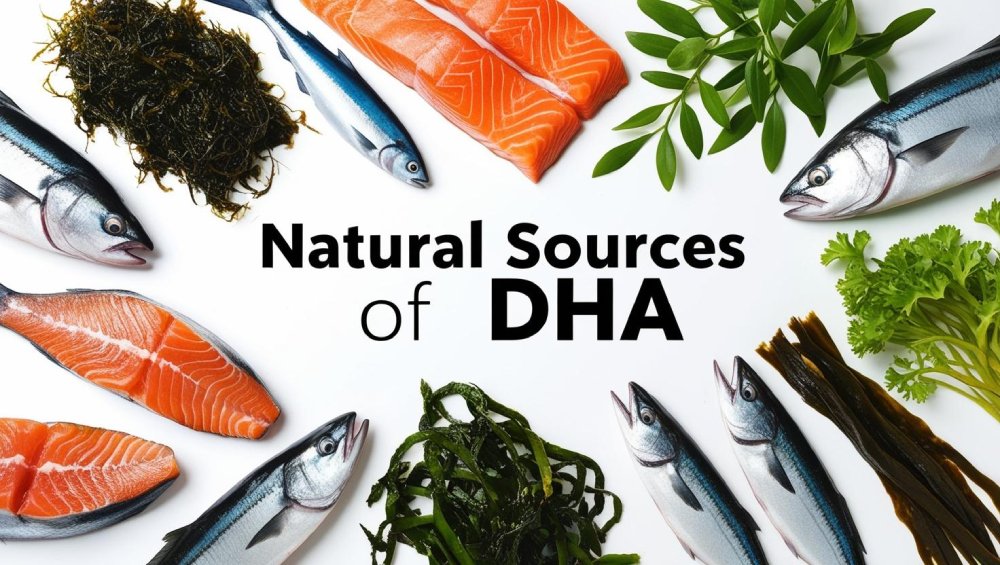
Natural Sources of DHA
DHA (docosahexaenoic acid) is a vital omega-3 fatty acid found primarily in marine sources. Your body can only produce small amounts of DHA, making dietary sources especially important for optimal health.
Fatty Fish and Oily Fish
Fatty fish are the most abundant natural sources of DHA. Cold-water fish contain particularly high levels due to their diet of marine algae, the original producers of DHA in the food chain.
Top DHA-rich fish options:
- Salmon: 1,100-1,800 mg DHA per 3.5 oz serving
- Mackerel: 900-1,400 mg per serving
- Herring: 750-1,000 mg per serving
- Sardines: 650-900 mg per serving
- Tuna (bluefin): 800-1,200 mg per serving
Wild-caught fish typically contain higher DHA levels than farmed varieties. The DHA content in fish varies based on species, diet, and water temperature.
Eating fish 2-3 times weekly provides significant DHA benefits. Cooking methods like baking and broiling preserve more omega-3s than frying.
Fish Oil and Marine-based Oils
Fish oil supplements offer concentrated DHA when dietary fish consumption is limited. These oils are extracted from the tissue of oily fish and purified for consumption.
Common marine-based DHA sources:
- Fish oil capsules (varying DHA concentrations)
- Cod liver oil
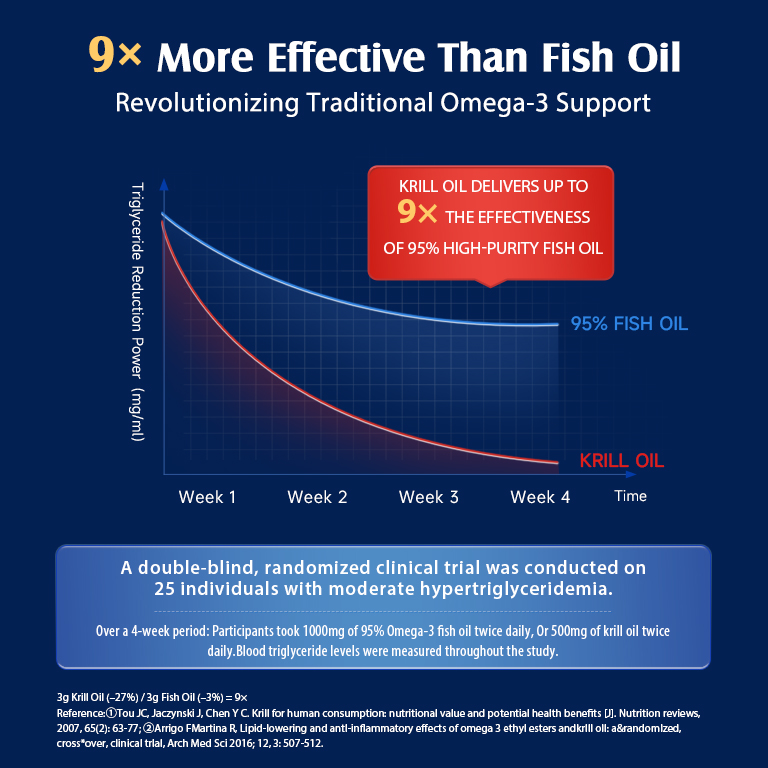
- Krill oil
- Algal oil (vegetarian option)
Microalgae synthesize DHA at the base of the marine food chain. Algal oil provides a plant-based alternative, particularly valuable for vegetarians and vegans.
When selecting supplements, check the DHA-to-EPA ratio on labels. Higher-quality products typically list exact DHA amounts per serving, with pharmaceutical-grade oils offering better purity.
Eggs, Meat, and Other Dietary Sources
While less concentrated than marine sources, several land-based foods provide modest DHA amounts, especially those from animals fed omega-3-enriched diets.
Non-fish DHA sources:
- DHA-enriched eggs (60-150 mg per egg)
- Grass-fed beef (small amounts)
- Organ meats like liver and brain
- Poultry (minimal amounts)
DHA-fortified foods have become increasingly available, including:
- Fortified milk and dairy alternatives
- Omega-3 enriched juices
- Fortified infant formula
Plant foods contain no direct DHA, but some provide ALA, which your body partially converts to DHA. Flaxseeds, chia seeds, and walnuts are rich in ALA, though conversion rates are low (typically under 5%).
Health Benefits of DHA
DHA offers significant health advantages for your body and mind. This essential omega-3 fatty acid plays a crucial role in maintaining optimal brain function and supporting heart health throughout your lifespan.

Brain Function and Cognitive Support
DHA is a predominant omega-3 fatty acid found in the human brain. Your brain cells require DHA to function properly and maintain cell membrane fluidity. This helps with communication between brain cells and supports overall cognitive performance.
Research shows that DHA may help people with ADHD focus better with fewer distractions. It also plays a vital role in infant brain development, which is why it’s often added to baby formula.
As you age, adequate DHA levels may help protect against cognitive decline. Studies suggest that consistent DHA intake supports memory retention and thinking skills in older adults, potentially boosting memory and thinking capabilities.
During cases of brain ischemia (reduced blood flow to the brain), DHA’s neuroprotective properties may help minimize damage and support recovery.
Heart Health and Cardiovascular Disease
DHA provides significant benefits for your cardiovascular system. It helps lower triglycerides (fats in your blood) and can contribute to improved cholesterol profiles by raising HDL (good) cholesterol levels.
Regular consumption of DHA may reduce blood pressure and decrease your risk of developing hypertension. This omega-3 fatty acid also has anti-inflammatory properties that help protect arterial walls.
DHA has been shown to decrease the risk of atherosclerosis (hardening of the arteries) by reducing plaque buildup. It also helps prevent blood clots, which can lead to heart attacks and strokes.
For those with existing heart conditions, DHA may provide protection against myocardial infarction (heart attack) by improving heart rhythm stability and reducing inflammation.
Role of DHA in Brain and Neural Development
DHA plays a crucial role in brain structure and function, especially during early development. This essential fatty acid accumulates in neural tissues and supports proper cognitive and visual development.
DHA During Pregnancy and Breastfeeding
Your baby’s brain develops rapidly during pregnancy and early infancy. DHA is essential for brain growth and the formation of neural connections. During the last trimester of pregnancy, large amounts of DHA are transferred from mother to baby to support this critical development.
Since your body can only produce limited amounts of DHA naturally, your diet becomes an important source. Pregnant women need adequate DHA intake to ensure optimal conditions for their baby’s brain development.
Breastfeeding continues to provide DHA to your infant after birth. Breast milk naturally contains DHA, though levels depend on the mother’s diet. This transfer supports ongoing brain development during the crucial first months of life.
Cognitive and Visual Development in Infants
DHA makes up a significant portion of brain matter and is highly concentrated in the retina. Your child’s visual development depends on adequate DHA, as it forms structural components of photoreceptors in the eye.
Infants with higher DHA levels often show better visual acuity and cognitive performance. The fatty acid supports normal vision development by maintaining proper cell growth and function in visual processing areas.
Research indicates that DHA contributes to improved attention span, problem-solving skills, and information processing in infants. These benefits appear most significant when DHA supplementation begins during pregnancy and continues through breastfeeding.
Your child’s brain continues to accumulate DHA through the first two years of life, highlighting the importance of maintaining adequate levels during this critical developmental window.
DHA and Vision Health
DHA is a critical fatty acid for maintaining healthy eyesight and supporting visual function. It plays essential roles in both the development and ongoing maintenance of the visual system.
Contribution to Visual Acuity
DHA helps maintain proper visual acuity by supporting the function of photoreceptor cells in your eyes. These cells are responsible for capturing light and converting it into signals your brain can interpret.
When your diet contains adequate DHA, your eyes can better process visual information and adapt to changing light conditions. Research shows that DHA helps protect photoreceptors from damage caused by bright light exposure.
DHA is particularly important during early development. Infants with proper DHA levels typically develop better visual acuity than those with insufficient amounts. This is why many infant formulas now include DHA supplements.
For adults, maintaining adequate DHA intake helps preserve visual function as you age. It may help reduce the risk of certain age-related vision problems.
DHA in the Retina
Your retina contains extremely high concentrations of DHA, particularly in the disk membranes of photoreceptor cells. These specialized cells require DHA to function properly.
DHA makes up about 30-40% of the fatty acids found in the outer segments of retinal photoreceptors. This concentration is higher than in almost any other tissue in your body, highlighting its importance to vision.
The DHA in your retina helps maintain the structural integrity and fluidity of cell membranes. This preserves visual function by ensuring photoreceptors can respond quickly to light stimuli.
Your body cannot efficiently produce DHA on its own, so dietary sources are essential. Cold-water fish, algae supplements, and fortified foods can help you maintain optimal DHA levels for retinal health.
When DHA levels are insufficient, the normal function of photoreceptors may decline, potentially affecting your ability to see clearly in different lighting conditions.
DHA and Inflammation
DHA plays a powerful role in reducing inflammation in the body through multiple biological pathways. This omega-3 fatty acid can decrease inflammatory markers and protect against chronic diseases linked to inflammation.
Effects on Inflammatory Markers
DHA works directly on your body’s inflammatory response system. It reduces inflammatory processes by helping create compounds called resolvins, which actively fight inflammation. When you consume more DHA, your cell membranes incorporate this fatty acid, making them less likely to trigger inflammatory reactions.
Studies show that DHA can lower levels of TNF-α, a major inflammatory marker associated with numerous diseases. This reduction helps calm your immune system’s overactivity.
DHA also combats oxidative stress by reducing reactive oxygen species production. Your body’s antioxidant capacity improves with DHA supplementation, preserving glutathione (GSH) content – an important antioxidant in your cells.
The anti-inflammatory effects are measurable in blood tests, with decreases in C-reactive protein and other inflammatory markers often seen after consistent DHA intake.
Impact on Chronic Disease
The anti-inflammatory properties of DHA directly benefit your heart health. DHA has cardioprotective effects by reducing inflammation in blood vessels and improving lipid profiles.
Research in hypertensive patients shows DHA can help manage blood pressure through its anti-inflammatory mechanisms. Your risk of cardiovascular events may decrease with regular DHA consumption.
DHA also shows promise for brain health. It provides neuroprotective properties against inflammation-related brain disorders. Your brain cells benefit from DHA’s ability to reduce neuroinflammation.
Chronic conditions linked to inflammation, such as arthritis and inflammatory bowel disease, may improve with adequate DHA levels. Your symptoms might decrease in severity as inflammatory pathways are suppressed.
DHA works synergistically with EPA (another omega-3 fatty acid) to reduce your risk of chronic diseases by addressing the underlying inflammation that drives disease progression.
Supplementation and Dietary Recommendations
DHA supplements and dietary sources can help meet recommended intake levels when food choices alone aren’t sufficient. The right product selection and proper dosage are essential for safety and effectiveness.
Choosing Effective DHA Supplements
When selecting DHA supplements, look for products that clearly state their EPA and DHA content, not just “fish oil” or “omega-3.” Third-party tested supplements help ensure you’re getting what the label claims without contaminants.
Fish oil, algal oil, and krill oil are common DHA supplement forms. Algal supplements are particularly valuable for vegetarians and vegans as they’re derived from microalgae rather than fish.
Consider the form: triglyceride forms may offer better absorption than ethyl ester forms. Enteric-coated capsules can reduce the fishy aftertaste and “repeating” that some people experience.
Store supplements in cool, dark places to prevent oxidation. Refrigeration may extend shelf life, especially for liquid forms.
Safety and Dosage Guidelines
Currently, there is no specific Dietary Reference Intake (DRI) for DHA alone, but there are general recommendations for omega-3 fatty acids. The FDA specifies that supplement labels should not recommend daily EPA and DHA intake higher than 2g.
For cardiovascular health, approximately 500 mg/day of combined EPA and DHA is recommended. Pregnant and breastfeeding women should consume 200-300 mg of DHA daily, either from supplements or food.
The US dietary guidelines suggest eating eight ounces of seafood weekly (equivalent to about 250 mg DHA+EPA daily) for general health. When taking supplements, start with lower doses and increase gradually to reduce digestive side effects.
DHA and Mental Health
Docosahexaenoic acid (DHA) plays a significant role in brain function and mental well-being. Research shows strong connections between this omega-3 fatty acid and various aspects of psychological health.
Potential for Reducing Depression
DHA may help reduce symptoms of depression through several mechanisms. Studies show a direct association between low omega-3 levels and increased risk of maternal depression. When your diet lacks sufficient DHA, you might experience mood changes that affect daily functioning.
DHA supports proper brain cell communication and reduces inflammation, which can both impact mood regulation. Harvard Health notes that while DHA may be less effective than other omega-3s as an antidepressant, it could have protective effects against suicide risk.
You can increase your DHA intake through:
- Fatty fish (salmon, mackerel)
- Fish oil supplements
- Algae-based supplements (for vegetarians)
During pregnancy, adequate DHA levels appear particularly important for both maternal mental health and child behavioral development. Some healthcare providers recommend supplementation during this critical period.
DHA in Lipid Metabolism and Cardiometabolic Health
Docosahexaenoic acid (DHA) plays a crucial role in regulating lipid metabolism and supporting heart health. Research shows DHA affects multiple pathways that influence your body’s processing of fats and can help manage cardiovascular risk factors.
Effects on Triglyceride Levels
DHA has proven effects on lowering triglyceride levels in your bloodstream. When you consume DHA, it regulates triglycerides by reducing their synthesis in the liver and enhancing their clearance from circulation. This omega-3 fatty acid works through multiple mechanisms:
- Decreasing fatty acid synthesis
- Increasing fatty acid oxidation
- Reducing VLDL (very low-density lipoprotein) production
Your body processes DHA differently than other omega-3s like EPA (eicosapentaenoic acid). Studies indicate that DHA may be more effective than EPA in certain aspects of lipid management, particularly when confronting diets high in fat.
DHA also inhibits enzymes involved in triglyceride formation while activating those that break down fats. This dual action helps maintain balanced lipid levels in your bloodstream.
Interaction With Phospholipids
DHA becomes enriched in phospholipids in your brain and retina, where it serves critical functions. In cell membranes, DHA alters phospholipid composition and membrane fluidity, which affects cellular signaling and metabolism.
When incorporated into phospholipids, DHA can:
- Improve membrane flexibility
- Enhance receptor function
- Modify lipid raft composition
- Replace arachidonic acid in membrane phospholipids
Recent research shows DHA alters lipid metabolism processes via modifications to histone proteins (H3K9ac) and through the PDK4-AMPK-SREBP1 signaling pathway. These molecular mechanisms explain how DHA affects your body’s overall lipid processing.
Your body can produce small amounts of DHA from alpha-linolenic acid, but this conversion is inefficient. Direct consumption of DHA through diet or supplements provides more reliable benefits for phospholipid composition and cardiometabolic health.
Industry, Research, and Future Perspectives
The DHA market is experiencing rapid growth due to increasing consumer awareness and research advances. Global market projections show a significant increase from current values of around $4.75 billion to over $9 billion by 2033.
Key Research and DSM-Firmenich
DSM-Firmenich stands as a leading player in DHA production and research. The company has developed innovative technologies for sustainable omega-3 fatty acid production, particularly focusing on DHA extraction methods that improve yield and purity.
Their research focuses on enhancing the bioavailability of DHA through specialized delivery systems. This addresses one of the biggest challenges in DHA supplementation – ensuring that your body can effectively absorb and utilize the compound.
Recent clinical trials sponsored by DSM-Firmenich have demonstrated positive outcomes for DHA supplementation in cardiovascular health and cognitive function. You can expect to see more targeted products emerging from their research pipeline in the coming years.
Emerging Trends and Innovations
The DHA market is projected to grow at a CAGR of 9.2% through 2033, driven by several key innovations. Microalgae cultivation is replacing traditional fish oil sources, offering a more sustainable and vegetarian-friendly option for DHA production.
Novel extraction technologies are improving efficiency and reducing environmental impact. You’ll find these advances particularly important as concerns about marine ecosystem health continue to rise.
Personalized nutrition is emerging as a significant trend, with DHA formulations tailored to specific age groups and health conditions. For example, specialized DHA products for brain development in infants differ from those designed for adults seeking cardiovascular benefits.
Encapsulation technologies are evolving to mask the fishy taste and extend the shelf life of DHA products, making supplementation more appealing for your daily routine.
Frequently Asked Questions
What are the health benefits of taking docosahexaenoic acid supplements?
DHA supports several key aspects of your health. It helps maintain brain health at all life stages, from development in infants to cognitive function in adults.
Your eyes also benefit from DHA, as it forms a significant structural component of retinal tissue. Regular intake may support vision health and development.
DHA supplements may support heart health by helping maintain healthy blood pressure and triglyceride levels. Some research suggests it can also play a role in reducing inflammation throughout the body.
How does docosahexaenoic acid differ from eicosapentaenoic acid in terms of biological functions?
DHA and EPA are both omega-3 fatty acids, but they serve different primary functions. DHA is particularly concentrated in brain and eye tissues, making it crucial for neural and visual development and function.
EPA tends to have stronger effects on inflammatory pathways and heart health markers. It often converts to anti-inflammatory compounds in your body.
Most fish oil supplements contain both EPA and DHA in varying ratios, typically with more EPA than DHA. The standard ratio is about 3 mg of EPA for every 2 mg of DHA.
Can docosahexaenoic acid supplements be taken during pregnancy, and what are the guidelines for dosage?
DHA is especially important during pregnancy for fetal brain and eye development. Many prenatal vitamins include DHA, recognizing its importance for developing babies.
The general recommendation for pregnant women is 200-300 mg of DHA daily. Higher doses should be discussed with your healthcare provider.
Safety research shows that even high-dose DHA hasn’t reported serious adverse effects in children, suggesting a good safety profile. However, always consult your doctor before starting any supplement during pregnancy.
What dietary sources are high in docosahexaenoic acid?
Cold-water, fatty fish are the richest dietary sources of DHA. Salmon is particularly high in DHA, along with mackerel, herring, sardines, and tuna.
Fish oil supplements are common alternatives if you don’t regularly consume fish. These typically contain both DHA and EPA in varying ratios.
Vegetarian and vegan sources include algal oil supplements, as algae is where fish originally obtain their DHA. Some fortified foods, like certain eggs, milk, and juice, may also contain added DHA.
Be cautious when taking DHA supplements if you’re on blood-thinning medications, as DHA may slow blood clotting and could potentially increase bleeding risk when combined with such medications.
Conclusion
DHA is a vital omega-3 fatty acid that plays numerous important roles in your body. It reduces heart disease risk by lowering blood triglycerides and blood pressure.
Research shows DHA fights inflammation and supports muscle health. It’s especially crucial for brain development and function throughout your life.
For pregnant women, DHA reduces the risk of early preterm births, making it an essential nutrient during pregnancy.
DHA has shown positive effects on various health conditions, including hypertension, arthritis, atherosclerosis, depression, and diabetes. Its wide-ranging benefits make it a valuable addition to your diet.
You can increase your DHA intake through fatty fish like salmon and sardines. Supplements are also effective, especially for those who don’t consume fish regularly.
When selecting omega-3 supplements, look for high-quality products that contain pure, sustainably sourced DHA. High-quality omega-3 supplements can help you maintain optimal DHA levels for better health.
Remember that most side effects from DHA supplements are mild and typically involve minor stomach discomfort. Long-term studies have shown DHA supplementation to be safe for most people.